

Keep on counting! 60 years of waterbird monitoring to support wetland conservation
During my studies, together with Adriaan Dokter and others, I engaged for the first time in a count of the International Waterbird Census. Coordinated by Wetlands International, with BirdLife International and others this is one of the longest running global citizen science projects uniting thousands of volunteers who go out each year to monitoring waterbird populations.
We spent two weeks counting birds in the rift valley lakes of Tanzania. It was a great adventure. Our car got stuck in the soft mud almost every day. Walking on the salt plains, I collapsed after a heat stroke at lake Manyara. We ran into a free ranging Lion pride at Lake Natron and burned our toes in the hot volcanic soda water bubbling up from below. We enjoyed a soup of goat-blood mixed with mashed-up-testicles, one of the local delicacies. And oh yeah… I accidentally drank a glass of kerosine, thinking it was apple juice…
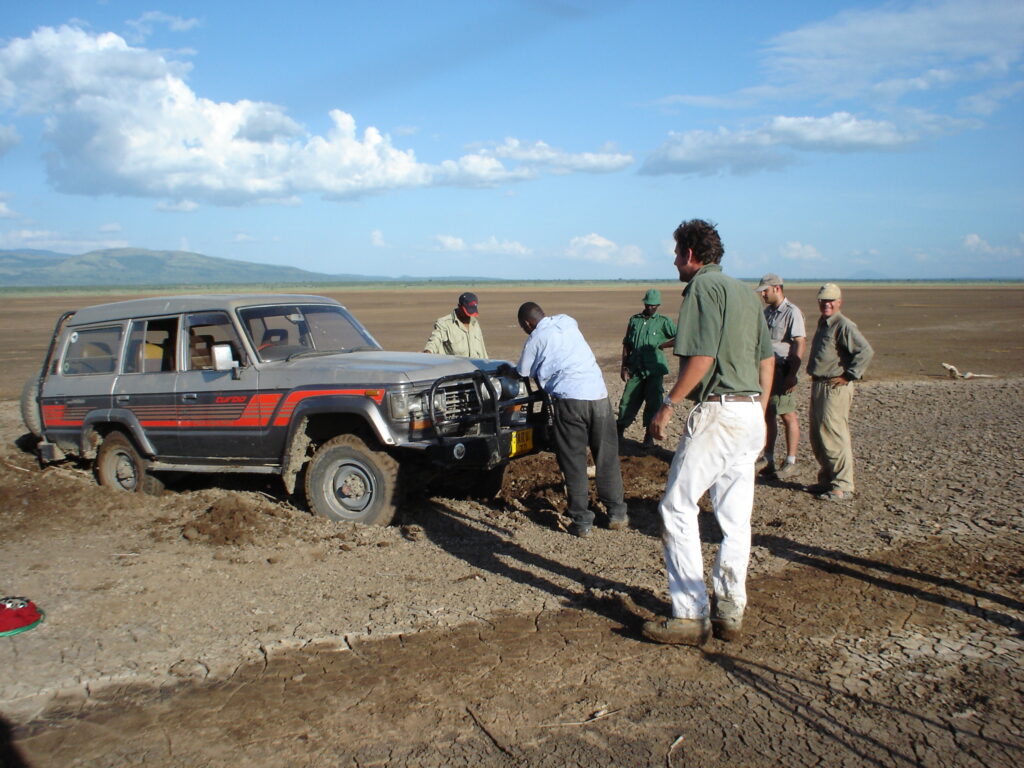
But most importantly we documented hundreds of thousands of birds. We counted huge flocks of flamingos from a tiny Cessna plane, causing both excitement and a gut-wrenching episode of airsickness. For the smaller species including waders, ducks and herons we had to walk long transects through hot, muddy, yet incredibly beautiful landscapes. One night we pitched our tent next to a swampy area, where thousands of herons came flying in to roost as the sun set. A sight I will never forget. Since then I have participated in counts in different parts of the world, from my own ‘backyard’ wetlands in the Netherlands to the steppe lakes in central Mongolia and the coastlines of Lombok.
Little did I know how relevant my counts turned out to be. When years later, a large company wanted to turn Lake Natron in a massive Soda ash mine, it was our count data that illustrated the incredible value of the lake for the charming little Chestnut banded plovers, alongside many other species. Following an extensive lobby by local stakeholders the project finally got cancelled. Lake Natron retains its wilderness values to this day, attracting visitors from across the world.
International Waterbird Census (IWC) numbers are mindboggling. Over 1.9 billion waterbirds have been recorded across 67,000 wetlands in no less than 189 countries and territories.
Involving numerous partner organisations, the IWC has driven conservation action worldwide – protecting wetlands, safeguarding waterbird populations, and shaping international conservation policies and practices that have benefited people, nature and climate. The results have been impressive. Over the years the data:
- Have helped secure protection of an area larger than Mongolia!
- Alerted us to declining status of certain species and helped guide successful conservation efforts;
- Highlighted how some waterbird distribution patterns are shifting as our climate changes and the world warms, with wintering grounds for some populations in Europe moving north and east into the Baltics and Russia.
- Have helped corporates avoid, minimize and compensate for the environmental impacts of developments in vulnerable areas.
This year marks the celebration of the 60th year of the International Waterbird Census. Wetlands International will make sure to celebrate this achievement with all those who have been involved in this incredible adventure.
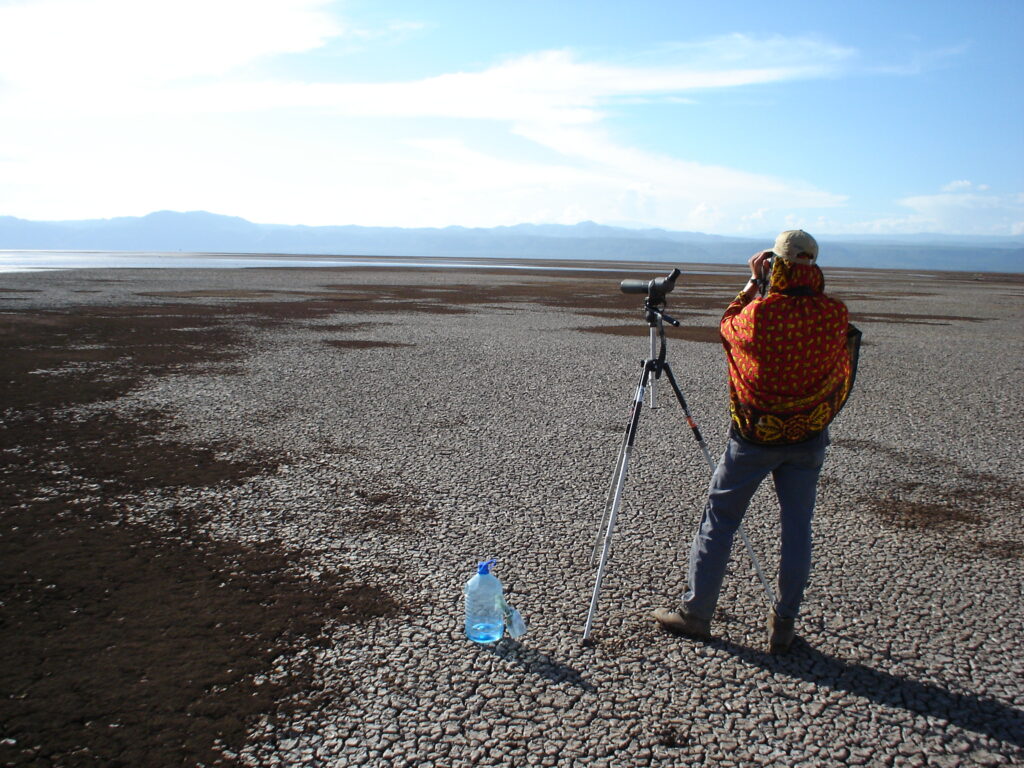
This message comes with a call for support. Despite the incredible impact of the count data, and the lasting passion of thousands of volunteers from across the world, most funders don’t find biodiversity monitoring very sexy. As a result it has been a challenge to keep to counts afloat, and to put the data to optimal conservation use.
I hope my story, along with those of friends and colleagues will contribute to changing this. Even with a modest contribution from funders, policy makers and anyone else with a heart for biodiversity, we can maintain the census and multiply its impact on the ground. Thank you all for your support!