

World Wetlands Day 2026: Celebrating Wetlands and Traditional Knowledge
Every year on 2 February, people around the globe come together to celebrate World Wetlands Day — an international moment to recognize and raise awareness about some of the planet’s most vital ecosystems: our freshwater and coastal wetlands.
Wetlands are among the most productive ecosystems on Earth. From peatlands and mangroves to rivers and their floodplains, these habitats:
- Store immense amounts of carbon, boosting climate mitigation.
- Filter and purify water, safeguarding freshwater supplies.
- Buffer communities from extreme floods, droughts and storms, enhancing climate adaptation and resilience.
- Harbor incredible biodiversity, supporting efforts to reverse nature loss.
Yet the global picture remains sobering: wetlands are disappearing up to three times faster than forests, driven by land-use change (including agriculture and infrastructure development), pollution, and climate change. Without urgent action, the world risks losing the priceless services these ecosystems provide for people, nature, and climate.
Perhaps a lesser-known fact about wetlands is how intricately they are linked to culture, civilization, and Indigenous communities.
Wetlands are the foundation of resilient societies and have been for millennia. The world’s first great civilizations arose in the floodplains of rivers: the Nile in Egypt, the Indus in southern Asia, the Tigris and the Euphrates in the Middle East, and the Huang in China. These wetlands provided a multitude of benefits – fertile soil to grow crops, fresh water for drinking and cleaning, and a means to transport goods. Even today, many of the world’s biggest cities are inseparable from their waterways – London (Thames), Istanbul (Bosphorus), and New York City (Hudson).
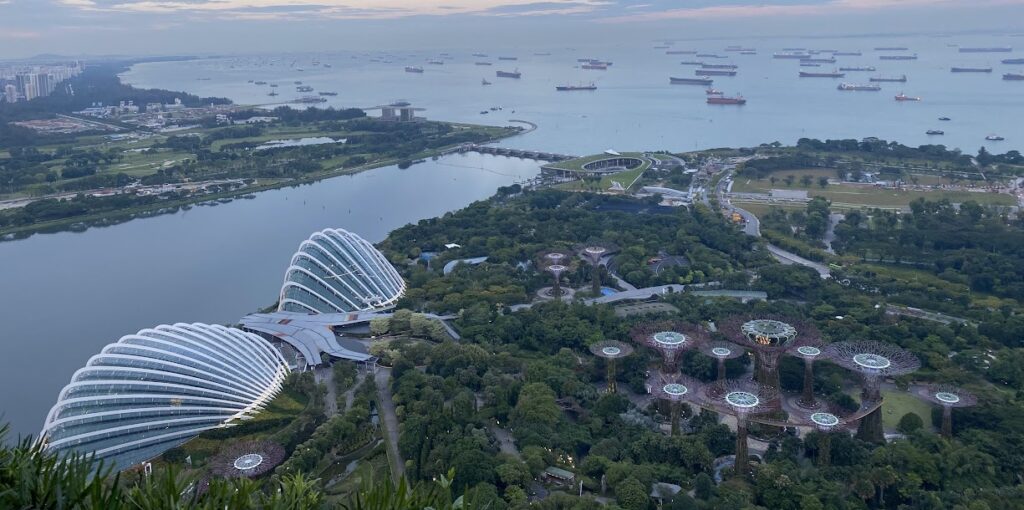
Centered around the theme “Wetlands and traditional knowledge: Celebrating cultural heritage,” this year’s World Wetlands Day campaign spotlights the timeless role of traditional knowledge in sustaining wetland ecosystems and preserving cultural identity.
Even present-day traditional practices reflect a deep understanding of wetland dynamics.
The Whangamarino Wetland, one of New Zealand’s seven Ramsar Sites, is of immense cultural significance to the Indigenous People of the area, the iwi (tribe) of Waikato and local communities. For the Waikato-Tainui, wetlands are living organs, keepers of genealogies, and a source of cultural identity and nourishment. They use environmental signs and seasonal knowledge derived from centuries of observation encoded in lunar calendars and seasonal changes to detect ecosystem change. For example, in 2018, Waikato-Tainui elders (kaumatua) observed a three-week delay in eel migration due to disrupted hydrological cues, providing early warning of a significant water quality issue before changes were detected by technical experts conducting field monitoring.
In the Tana River Delta, the local community holds valuable knowledge for the conservation of the Ramsar Site. Their council of elders have over the centuries been responsible for the management of watering points, sacred sites and shrines. The council of elders has been recognized in the Tana River Delta Ramsar Site management plan and identified as key players in the management of these sites. By recognizing and involving these local structures and Indigenous knowledge, conflict over the use of watering points has been avoided and the local sacred sites and the shrines have been conserved. Moreover, Indigenous knowledge has also been integrated into the management of other resources, including the forests, wildlife and flood plains.
From papyrus weaving in Africa to rice farming in Asia’s floodplains, traditional knowledge:
- Guides sustainable wetland stewardship learned over generations.
- Connects people and nature in ways scientific models are just beginning to grasp.
- Preserves cultural heritage and ecological insights that modern conservation can learn from.
This year’s campaign celebrates these deep roots of knowledge and invites us to honour the custodians of wetlands and their wisdom.
As a global organization dedicated to the conservation and restoration of wetlands, Wetlands International calls on governments and scientists to:
- Integrate traditional knowledge into scientific approaches to wetland conservation and restoration
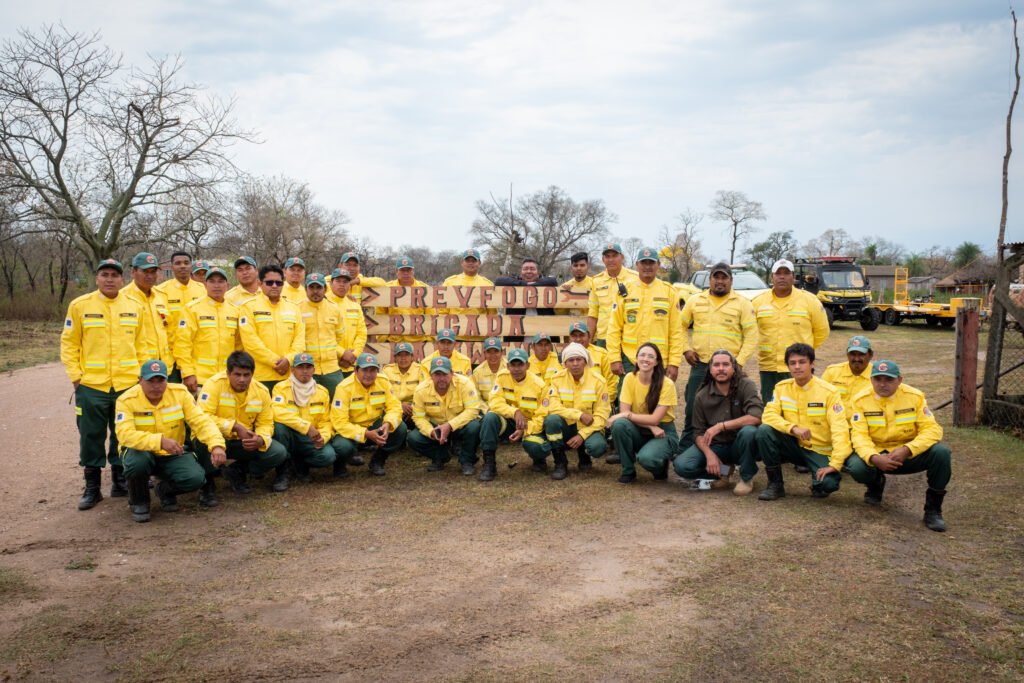
- Champion community-led efforts like this in Guinea Bissau and like this in the Pantanal
- Amplify voices from the frontlines
- Recognize the Rights of Nature
World Wetlands Day is more than a date on the calendar – it’s a global movement. You can:
- Share your pledges for wetlands.
- Organize or participate in local events and educational activities.
- Spread awareness about World Wetlands Day on your social channels
Let’s honor the people and knowledge systems that have safeguarded wetlands for generations — and work together for a future where wetlands are treasured, restored, and protected for all.