
Technology for good: Global Mangrove Watch training in Kwale, Kenya
At dawn in Kwale, as rangers prepare to head into the mangrove creeks, their most powerful tool is no longer just a boat or a pair of binoculars—it is a satellite alert. In Kenya, where more than 800,000 coastal fishers depend on healthy mangroves, knowing exactly where change in mangrove cover is happening can mean the difference between timely protection and irreversible loss. That is why Wetlands International is investing in training rangers, forest managers and decision-makers in Kenya on the Global Mangrove Watch, equipping those closest to the mangroves with the skills to turn near-real-time data into rapid action on the ground.
Along Kenya’s 1,420km long coastline, mangroves are protectors and providers. Covering about 54,000 hectares, these ecosystems protect the country from tropical storms, sea level rise, and shoreline erosion. They are also home to a variety of fish, birds, reptiles, and terrestrial animals like sawfish, crab plovers, crocodiles and baboons. Mangroves are efficient carbon stores, and it is estimated that Kenya’s mangroves are potentially sequestering 2-3% of its total annual fossil fuel emissions, making them crucial to mitigating climate change.
Kenya’s mangroves are also critical to its people. They contribute approximately USD 85 million to the national economy. More than 85% of fishing activities along the coast are carried out by artisanal fishermen in the shallows of mangroves. Mangroves have been integral to Kenyan Indigenous coastal livelihoods for generations, playing diverse and significant roles that are deeply ingrained in local culture.
Unfortunately, mangroves have been degraded and lost throughout the country primarily because of urban development, exploitation of wood resources, land clearance for salt production, oil spills, and port development.
The good news is that Kenya has a relatively high mangrove restoration potential with at least 3,300 ha available for restoration, particularly in the Kwale District.
But restoration and conservation efforts rely on good data. For many years, Wetlands International and its partners from the Save our Mangroves Now project have been spearheading the use of Global Mangrove Watch for quality information about mangrove extent in East Africa. With its high-resolution planetary imagery, the platform offers a detailed view of mangrove changes in near-real time. Our goal is to reduce patrol costs. By verifying alerts online before dispatching teams to the field, Global Mangrove Watch enables rapid action to threats such as illegal logging, conversion to other land uses or to pinpoint other causes of local mangrove die back, for example upstream, coastal erosion or storm damage.
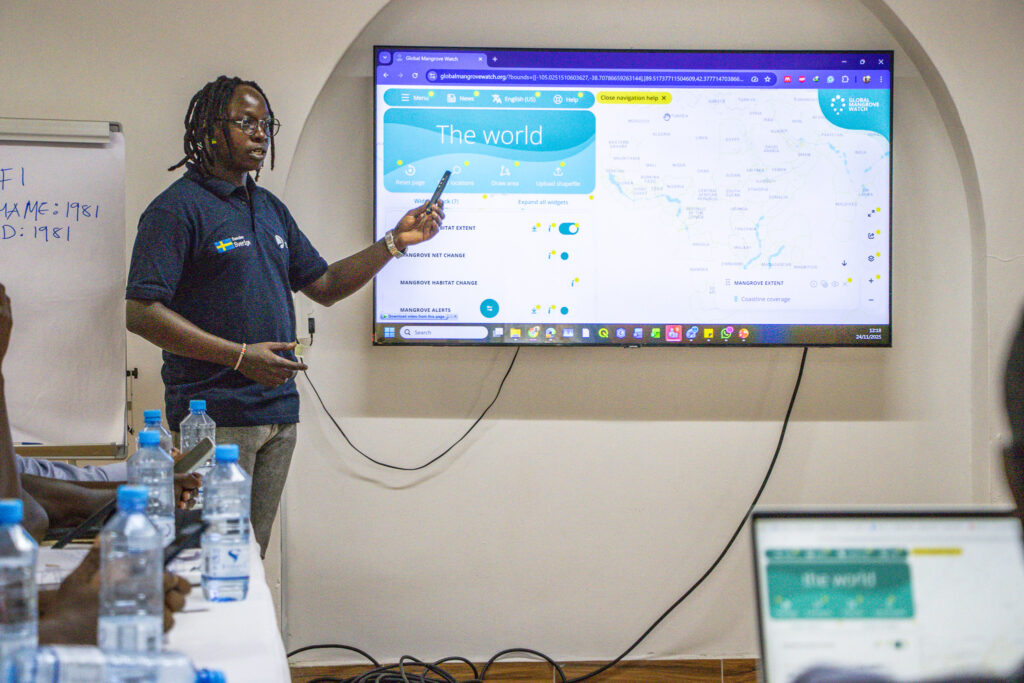
In November 2025, we held a training for 25 people: 15 rangers (2 from Kenya Wildlife Service and 13 from Kenya Forest Service), 5 forest managers, and 5 managers from KFS headquarters. These participants strengthened their skills in detecting, interpreting, and responding to Global Mangrove Watch disturbance alerts. Led by the Wetlands International Eastern Africa office, the training empowered participants to trace alert locations, ground-truth changes and capture accurate field information, enabling faster, more informed protection of Kenya’s mangrove ecosystems.
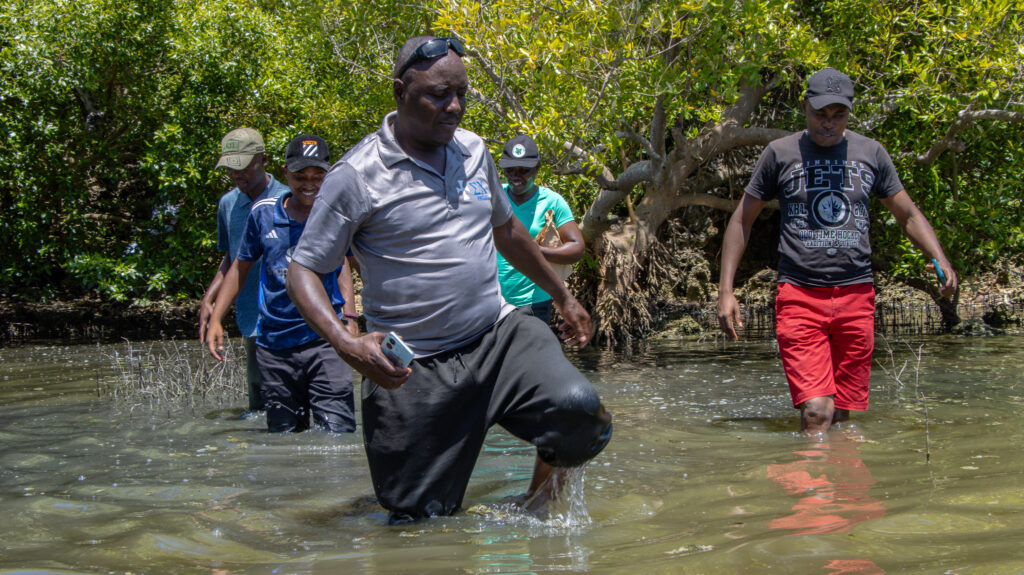
The training also covered other tools like Kobo Collect, Survey123, forest patrol and crime reporting, GIS basics, mobile GIS, use of MAPS.ME, data upload and visualization, and a field visit to Kongo River, Diani, for hands-on practice.
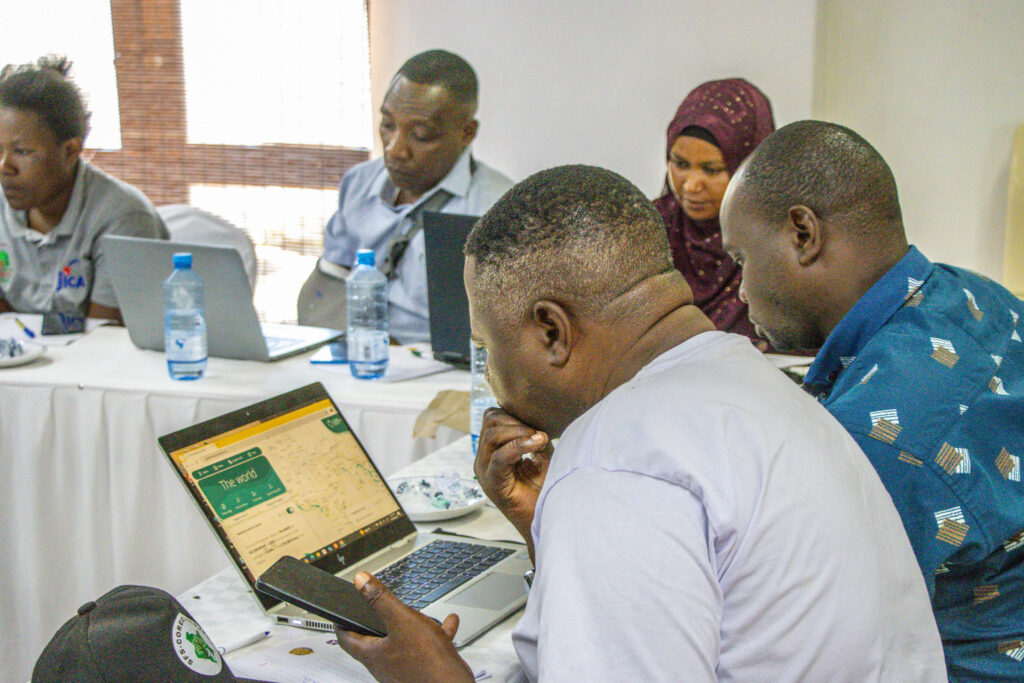
This training was part of a series of sessions to support local authorities, conservation agencies, and community patrol groups to monitor mangroves. We have also been working with the Kenya Forest Service to identify 93.2 hectares of potential restoration sites in Lamu. We’ve implemented a number of small-scale restoration measures to demonstrate our capability and credibility, providing a basis for upscaling with local partners. And we jointly opened a mangrove alert command center in Lamu.
As we continue strengthening digital monitoring, we call on partners, communities, and conservation actors to use Global Mangrove Watch (especially its alert functionality) to support faster action and safeguard our mangroves.
Together we can turn data into real protection on the ground.