

Wetlands International at CMS COP15
The Convention on the Conservation of Migratory Species of Wild Animals (CMS) is a legally binding international treaty under the United Nations. CMS is one of the most important global frameworks for wildlife conservation and plays a vital role in addressing the global biodiversity crisis.
Migratory species are vital for the well-functioning of nature. They provide benefits for ecosystems and human well-being, such as pollination, seed dispersal, pest and disease control, carbon storage, and nutrient cycling. Likewise, migratory species also provide direct economic benefits from recreation and tourism, and some are an important source of food.
Migratory species continue to face global declines and an increasing extinction risk, with habitat loss, overexploitation, pollution, climate change and invasive species identified as the most severe threats.
Following the recent launch of the State of the World’s Migratory Species interim report, the CMS COP15 will bring together governments, scientists, conservationists, Indigenous Peoples and local communities, environmental leaders, and civil society from around the world to address urgent conservation challenges facing migratory species that cross international boundaries.
Why wetlands?
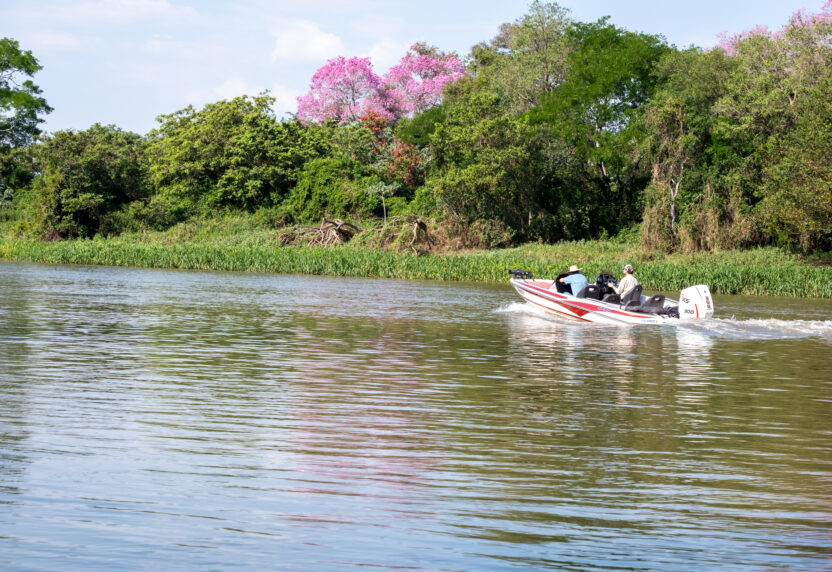
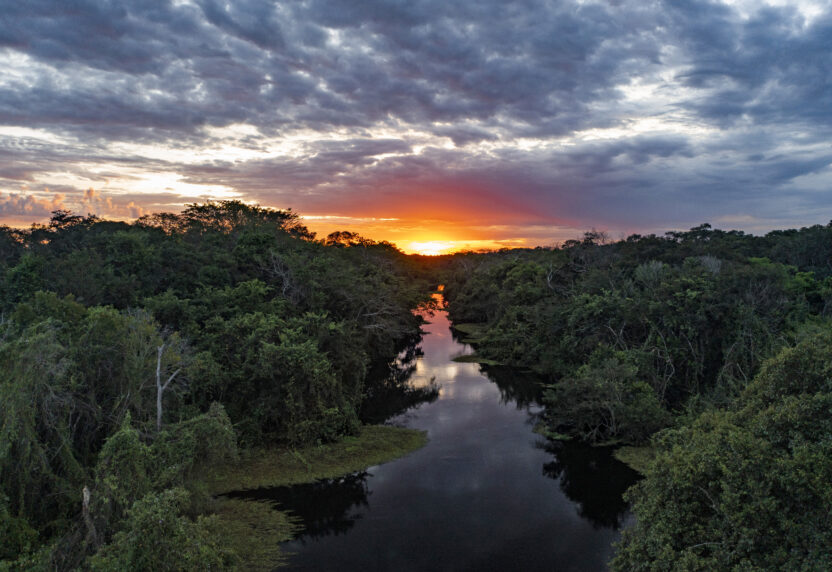
This is the first time CMS COP is hosted in Brazil, the world’s most biodiverse country, and at the gates of the Pantanal region, the world’s largest tropical wetland, a Wetlands International flagship landscape, and home to our Brazil office in Campo Grande.
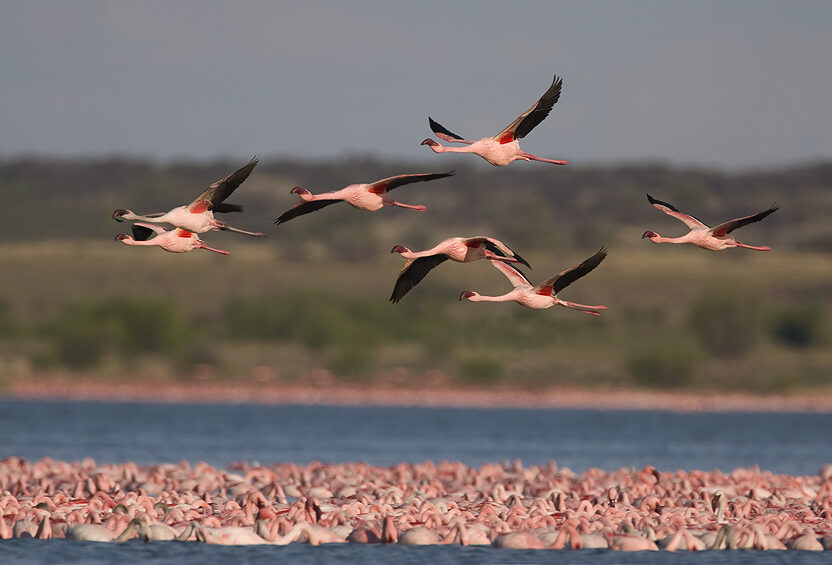
Wetlands sustain a wide variety of migratory species from birds like the Arctic Tern, Whooping Crane, and White Stork; to freshwater fish like salmon trout and the spotted sorubim; to mammals like the dugong and wildebeest; to reptiles like sea turtles. Wetlands like mangroves, rivers, lakes, swamps and seagrass meadows offer shelter, food, water, and nursing grounds to these migratory animals.
Wetlands International specifically works on several initiatives for migratory birds. We play a key role in flyways conservation and in agreements and partnerships such as AEWA, the EAAFP, the CAF, and the Americas flyway. We coordinate the International Waterbird Census, the Global Waterbirds Estimates Partnership and the Waterbird Fund. Our Aquatic Warblers on the Move project focuses on Continental Europe’s rarest migratory songbird which flies more than 12,000 km from Eastern Europe to West Africa and back; and our initiative Climate Resilience for Migratory Birds and People along the East Atlantic Flyway, is protecting the ecosystems and communities in 11 countries along the East Atlantic Flyway, one of the world’s most important migratory routes for waterbirds.
In addition to our work on flyways, our programmes on swimways contribute significantly to the enhancement of ecological connectivity. Wetlands International produced the first-ever inventory of Swimways of European Importance and is working with partners in the Global Swimways programme to foster international cooperation, improve scientific knowledge and guidance, support strengthening of policies, and accelerate practical action.
Our objectives
Our participation in CMS COP15 seeks to shine a spotlight on the importance of protecting the the Pantanal wetland for the conservation of migratory species. We will strengthen partnerships and share our tools and expertise for conserving, restoring and connecting wetland ecosystems for the benefit of migratory species, and showcase our flyways and swimways work to galvanise investment and action with partners. Alongside the focus on the Pantanal, we will build support for action to protect the high Andean wetlands, a critical site on the Americas flyway, from the threat of lithium mining.
We will support the adoption of key outcomes such as:
- On freshwater fishes: the listing of additional species; regional assessments of La Plata/Paraná, rivers of Africa, and the Mekong; the establishment of an official CMS working group on migratory freshwater fishes, Green List assessments of select migratory freshwater fish; an updated assessment of the most important and threatened free-flowing rivers; and an assessment of the impacts of bycatch on migratory freshwater fishes.
- On migratory waterbirds: the listing of additional species, and the adoption of decisions and an updated resolution on the flyways, enhancing the conservation of migratory birds and their habitats, recognsing progress under regional flyway initiatives, and making a stronger link to the implementation of the Global Biodiversity Framework.
- On enhancing action to protect migratory species and the wetlands they depend on: decisions and resolutions on key topics such as ecological connectivity; climate; renewables; and infrastructure.
Find us at CMS COP15
24 March
- Launch of the Global Assessment of Migratory Freshwater Fishes: 18:15-19:00
25 March
- Civil Society Contributions to Wetland Governance: Interfaces between the Ramsar COP and the Convention on Migratory Species (CMS): 10:30-11:20 – Brazil Pavilion (Espaço Brasil).
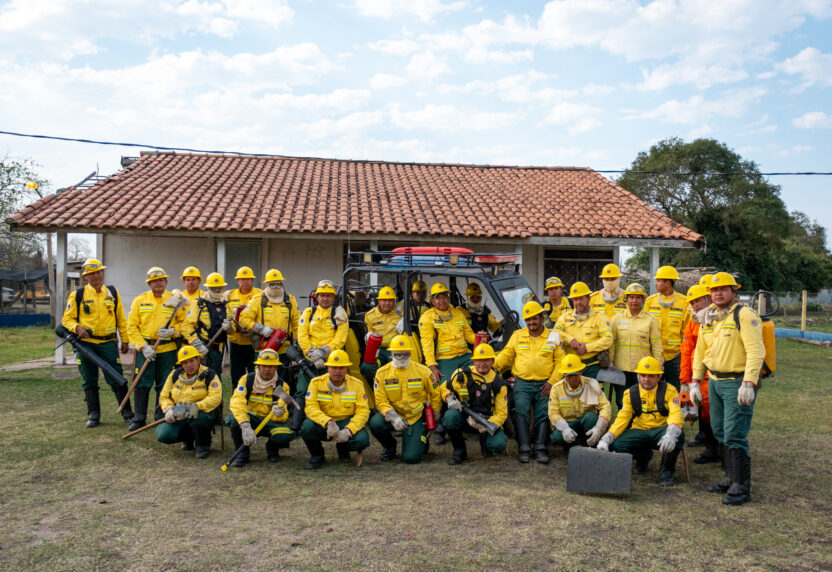
- Integrated Monitoring and Fire Management for Migratory Species and Wetland Conservation in the Paraguay-Paraná Wetland System: 12:45-13:30 in Room 5.
26 March
- From Biocultural Corridors to Citizen Science Initiatives: Strengthening Ecological Connectivity for Migratory Species Conservation along the Paraguay–Paraná Wetland System: 12:45-13:30 in Room 4.
- Strengthening Cooperation for Coastal Connectivity to Conserve the World’s Migratory Species: 13:45-14:30 in Room 4.
Exhibitions
World Water Day Senac Hub — 17 to 20 March | Opening: 17 March at 14:30
Pantanal: Territory, Life, and Those Who Protect It 23 to 27 March — 08:00 to 18:00 — COP15 UFMS Room (central corridor)
The exhibition brings together photographs portraying the Pantanal as a living territory, highlighting its biodiversity, landscapes, and natural cycles, as well as the leadership of people directly engaged in protecting the biome. Some images feature Indigenous Kadiwéu firefighters who work in fire prevention and suppression, emphasizing the human dimension of conservation.
A list of blog articles
Contacts on the ground
Please reach out to Ana Carla Albuquerque or Ligia Baraldi for advocacy and press queries at CMS COP15.