
Wetlands Diary: Daily updates from CMS COP15
Top daily talking points about wetlands and by Wetlands International from the 15th Conference of the Parties to the Convention on Migratory Species (CMS COP15) in Brazil. Pinning this to the top as it’s an critical clause in the Pantanal Declaration, which was agreed at the start of the COP:
Day 2: Migratory Freshwater Fish in Freefall (Tuesday 24th)
Talk about starting Day 2 in Campo Grande with some pretty gloomy news: some of the longest and most important migrations of freshwater fish are rapidly collapsing, according to a new CMS study. The assessment identifies 325 migratory freshwater fish species as candidates for coordinated international conservation efforts, highlighting a largely overlooked biodiversity crisis unfolding across the world’s shared river basins. These species face accelerating declines driven by dam construction, habitat fragmentation, pollution, overfishing and climate-driven ecosystem changes.
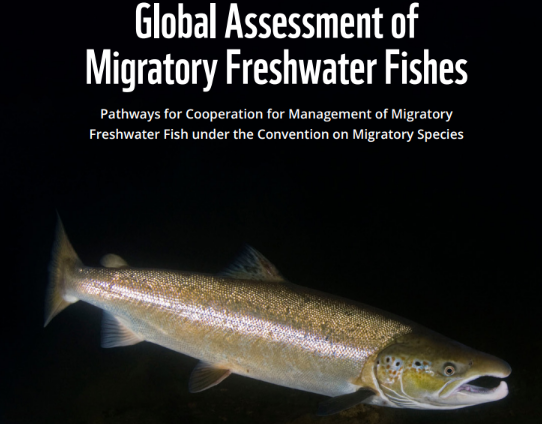
The Global Assessment of Migratory Freshwater Fishes finds that migratory freshwater fish — a group of species that maintain river health, underpin some of the world’s largest inland fisheries, and sustain hundreds of millions of people — are among the most imperilled wildlife on the planet.
But the assessment is not all doom and gloom: it is also an urgent call to action for the Parties at COP15 – and their governments back home, including clear recommendations on protecting and restoring rivers to safeguard migratory routes.
As for the day’s agenda, the COP covered a lot of ground and was technically ahead of schedule – although mostly by diverting items to the cross-cutting issues working group. Some delegates worry that by pushing off so many items, more work will pile up at the end. But that would not be unusual for a COP! As always, the best place for detailed updates on the negotiations is via the excellent IISD updates.
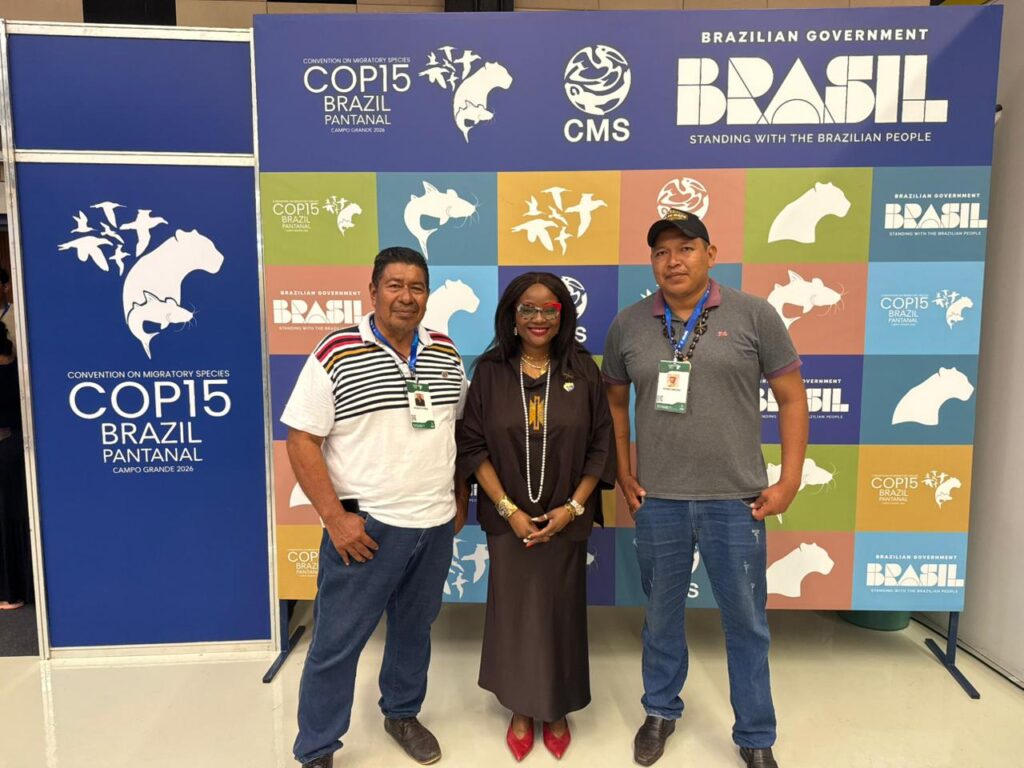
Meanwhile, the Wetlands International delegation was working the corridors and participating in events, including facilitating a meaningful moment by connecting Indigenous leaders from the Kadiwéu Territory with the Ramsar Secretary General, Dr Musonda Mumba.
Day 1: Pantanal is talk of the COP (Monday 23rd)
The first COP of a year jam-packed with them kicked off in Campo Grande, Brazil – on the doorstep of the Pantanal, the world’s largest tropical wetland – and one of Wetlands International’s flagship landscapes. It also gave it’s name to the Pantanal Declaration, which was adopted during the High Level segment and which, among other things:
- highlights the role of wetlands and freshwater systems for humanity and for nature,
- reiterates the contribution of Indigenous Peoples and local communities,
- encourages the inclusion of measures for the protection of migratory species in National Biodiversity Strategies and Action Plans, and
- calls for the provision of resources to these ends.
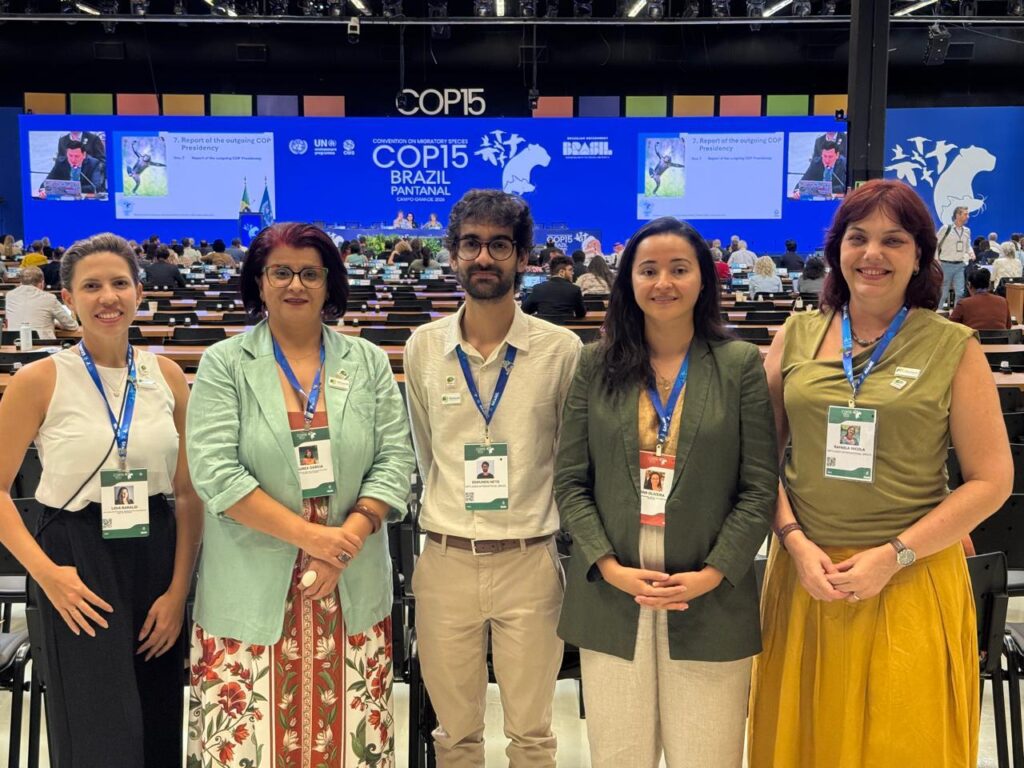
And our fantastic Wetlands International delegation was there from the start!
In her opening remarks, Marina Silva, Brazil’s Minister of Environment and Climate Change, highlighted the significance of hosting COP15 at the gateway to this iconic wetland, which is vital for many migratory species as well as sustaining a wealth of other wildlife. She urged delegates to take decisive steps to ensure migratory species continue flying, swimming, and crossing borders and bridges, for their sake and ours. Critically, she also pointed to this COP as an opportunity to “rekindle the light of multilateralism” – which is central to reversing the ongoing loss of migratory species.
Speaking of species loss, the CMS Executive Secretary Amy Fraenkel highlighted the interim State of the World’s Migratory Species report, which describes current extinction risks and population declines, and urged delegates to redouble efforts to cooperate across borders to achieve the Convention’s goals.
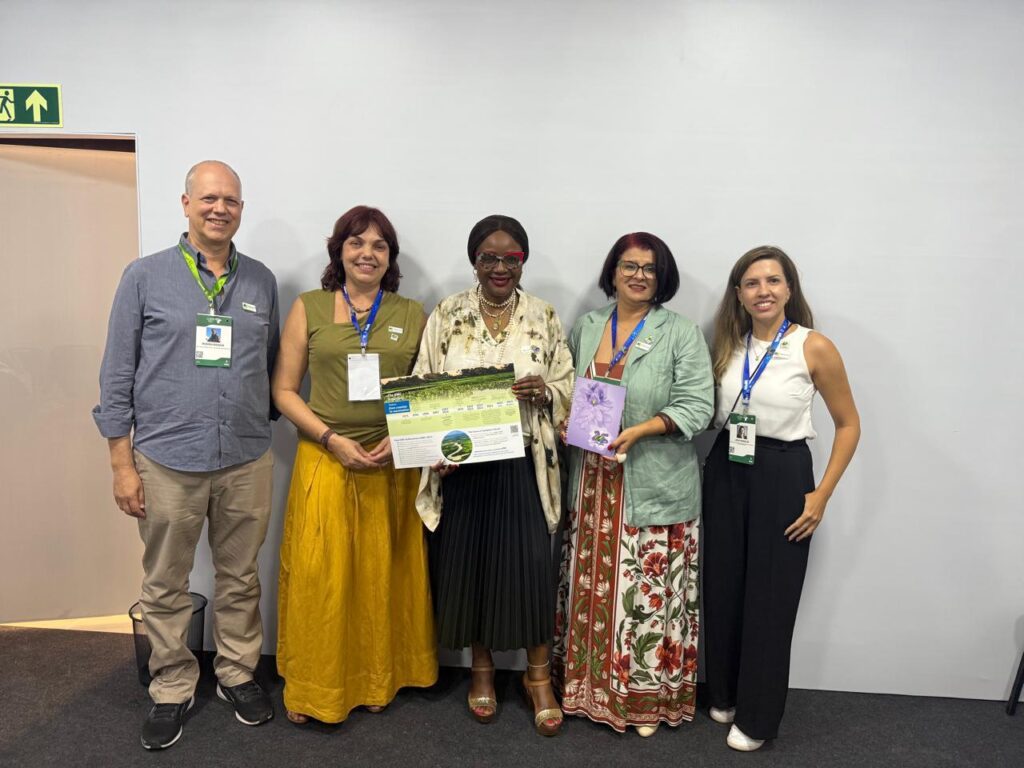
During the high level panel, the Ramsar Secretary General, Dr Musonda Mumba, made a compelling call for investment in protecting and restoring wetlands to safeguard migratory species and their ecosystems – which underpin our societies. Later, she met with our delegation, which focused on strengthening international cooperation around the Paraguay–Paraná Wetland System, advancing the Ramsar Regional Initiative, and reinforcing transboundary dialogue and wetland governance.
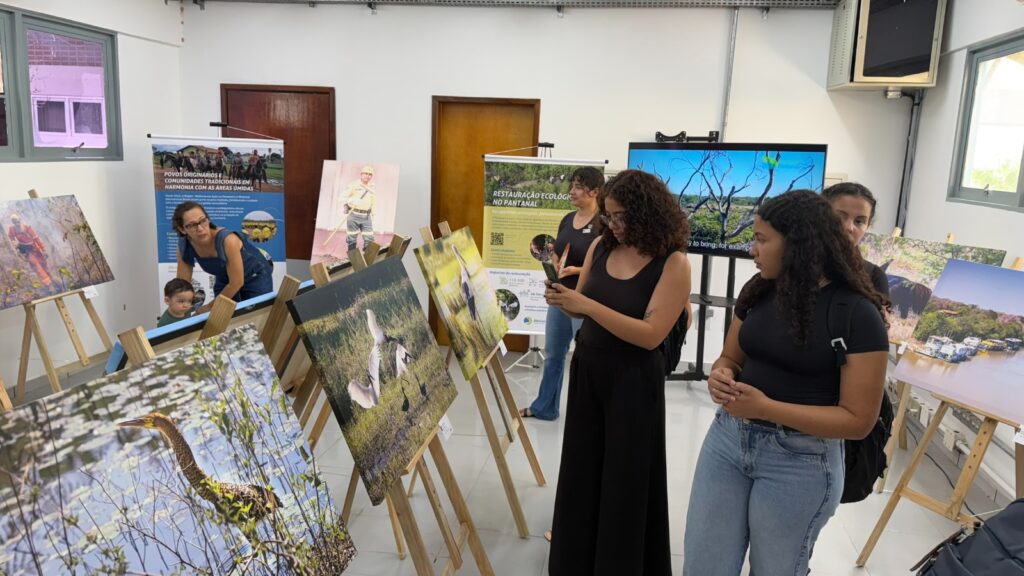
Among lots of other advocacy and events, Wetlands International also opened a photo exhibition “Pantanal: Landscapes and lives in motion”.
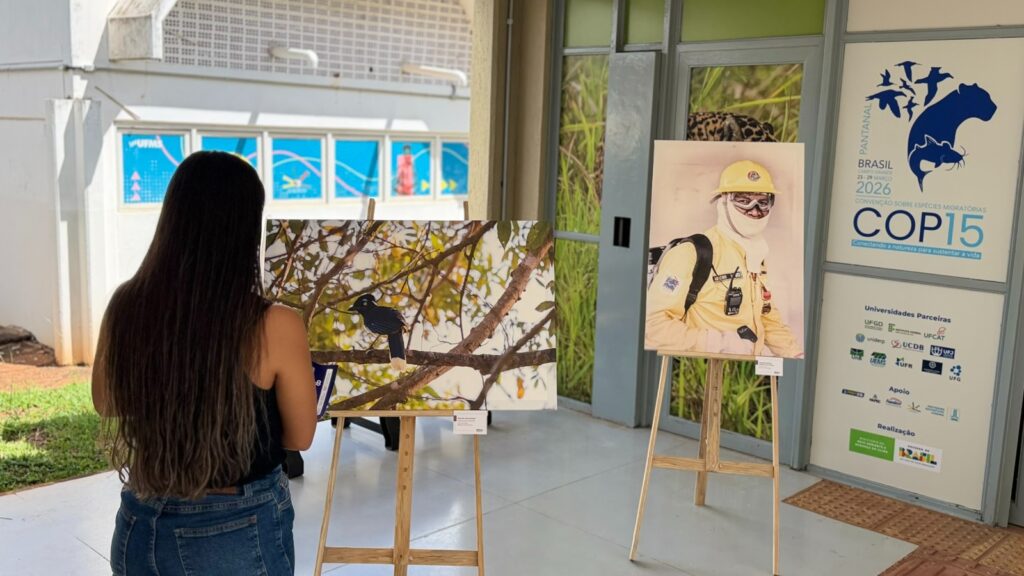
Full of beautiful photos (many from our very own, Joeri Borst), the exhibition presents the Pantanal as a living territory shaped by water, fire and people – highlighting its remarkable biodiversity (over 4,700 species!) and the role of Indigenous Peoples and local communities in protecting the biome.