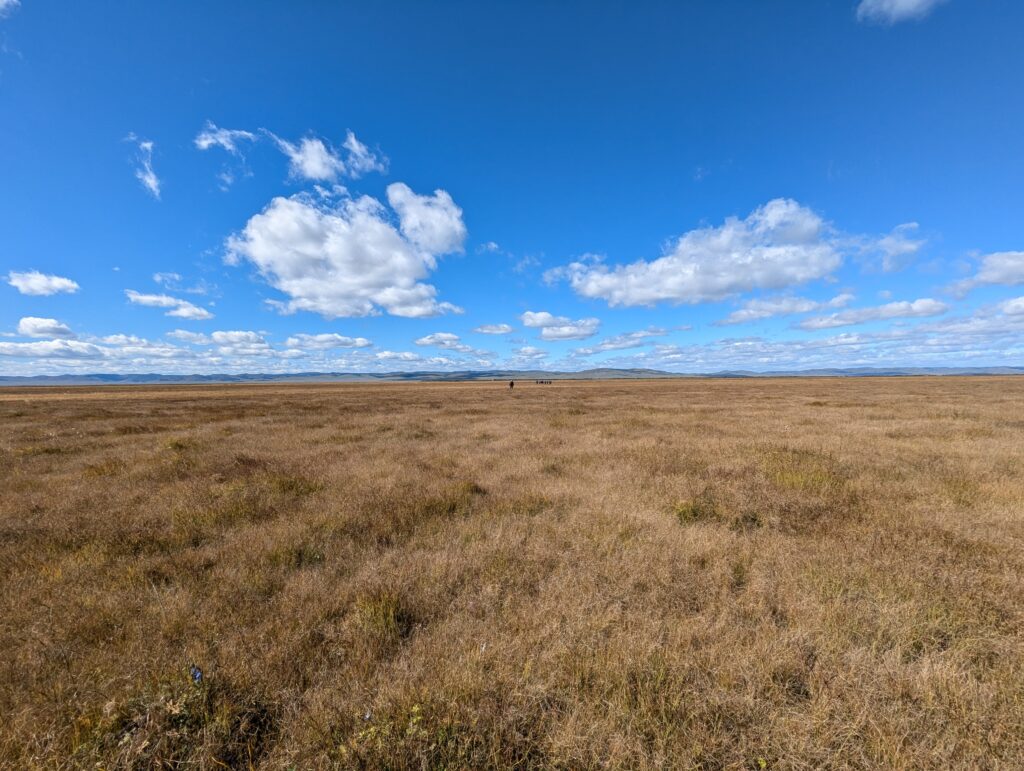
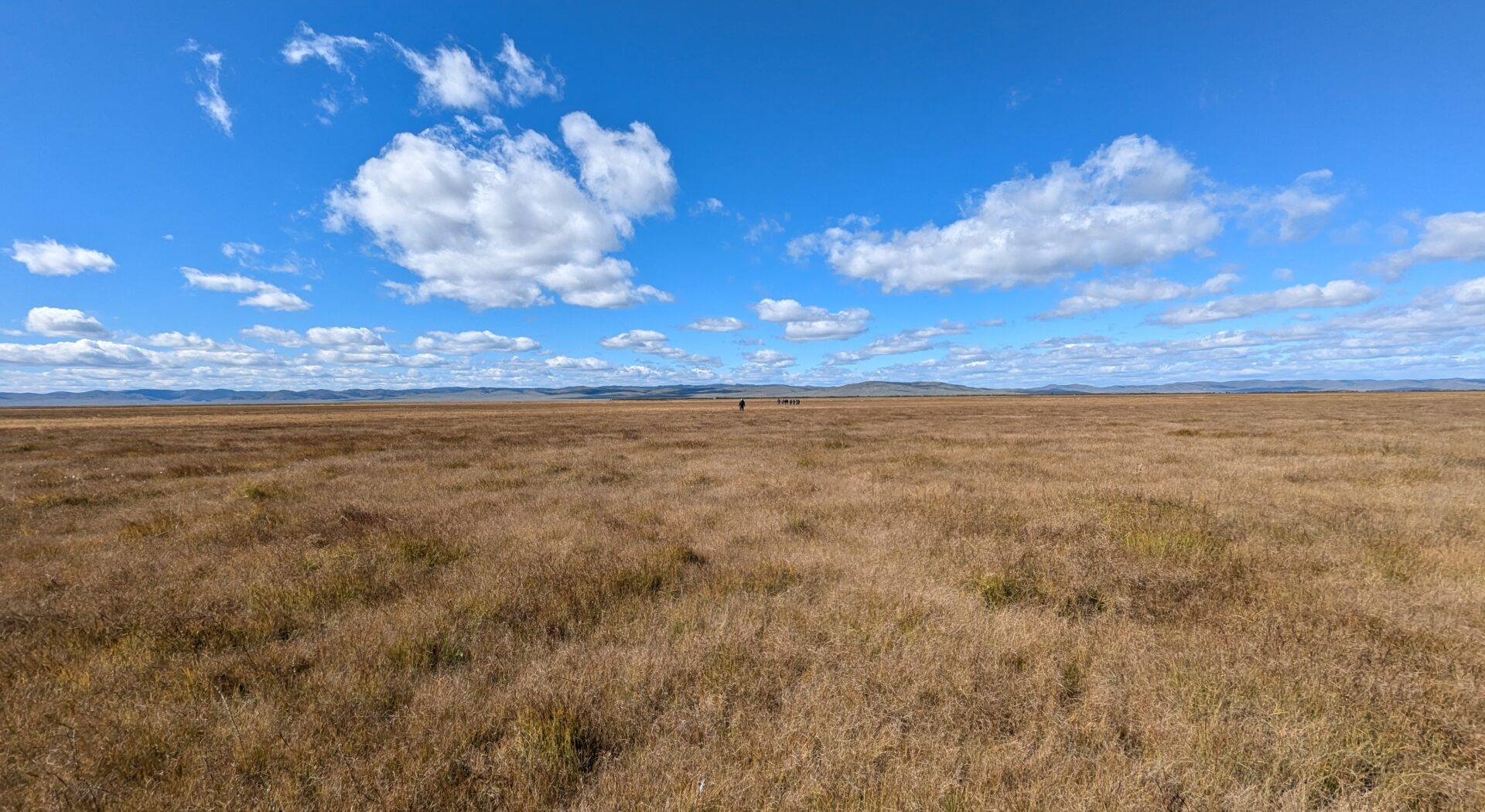
We are dedicated to saving the world’s peatlands; they globally store at least 550 Gigatonnes of carbon and are home to many threatened species.

We restore mangrove forests and introduce sustainable shrimp farming in coastal areas, which have suffered degradation. We convince governments and businesses to join us.

We protect and monitor millions of waterbirds that depend on a chain of healthy wetlands for their migration routes every year.

We sustain and restore wetlands as a cost-effective strategy for disaster risk reduction and climate change adaptation.

Find detailed information including spatial information and downloadable GIS data on many important wetlands that are designated under the Convention on Wetlands (Ramsar, 1971).


Publication

Global Newsletter August 2013

The August 2013 Global Newsletter features news from around the Wetlands International Network. We look at how integrated water management works in Senegal, how soybean is the new boom in Argentina and how river restoration is an antidote for Europe's flood woes.  Through the newlsetter you can visit the work of Wetlands International and our partners in field. Enjoy... Read more

For more publications go to Watch and Read.

Blog

Room for the River as an antidote to Europe’s flood woes

By Paul Brotherton   As part of a training course on river restoration sponsored by the RESTORE project, I recently visited the Waal River, a main branch of the Rhine River, flowing through the Netherlands. Here the Dutch are making ‘Room for the River’, restoring floodplains to reduce the risks of floods and creating benefits for people and nature. On the heels of ... Read more

Read more blogs on our Blog page.

Who are we?

Wetlands International is the only global non-profit organisation dedicated to the conservation and restoration of wetlands. We have 18 offices with a headquarters in the Netherlands. Read more 

Map of our offices 

Zoom & click to visit our office websites

Latest Video

The Inner Niger Delta of Mali is a very important site for migratory birds - many species that breed in Europe spend the winter here. But these birds are being poached and sold for food to offset the lack of food and income. We are working to reverse this situation with our Bio-rights approach. Watch the video.