

Slow change in Doñana, but is it fast enough to save the wetland
“Milvus migrans,” said the woman tending the rural house, pointing at the sky.
Indeed, a black kite was circling above us, sending the sparrows rushing for cover among the branches of the acebuche, the wild olive tree. We were in El Rocío, on the edge of one of the most important and extraordinary wetlands in Europe. We were in Doñana.
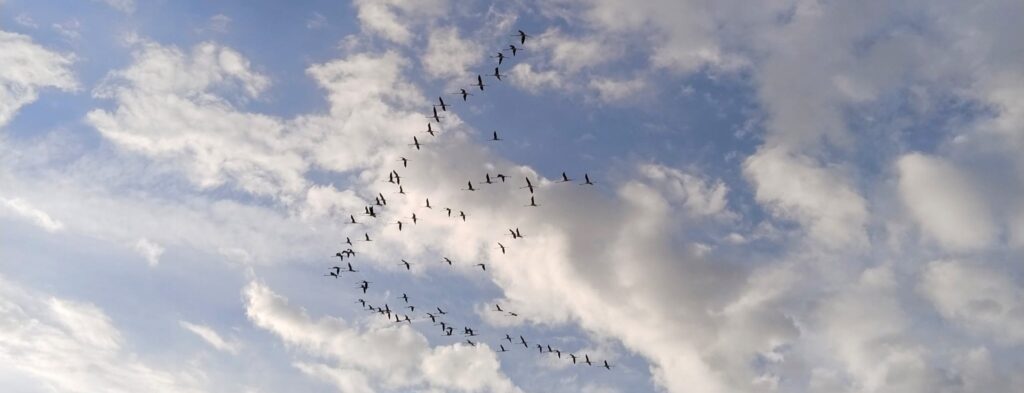
My first memories of Doñana date back to when I was around 12 years old. I loved the place, but I had no idea that I was in a National Park, a Ramsar Wetland of International Importance, and a place that would later become a World Heritage Site. I was there because of family ties, and it felt completely normal to see flamingos in the marshes, hear the noisy coots at night, watch birds of prey pass overhead, and encounter beetles, dragonflies, snakes and lizards. And then there were the endless beaches, the shifting dunes, the Mediterranean forests.
Like me, local people enjoyed the place and were proud of their home. But I don’t think they were fully aware of the value of what they held in their hands: the unique features of that landscape, the endangered species finding one of their last refuges there, the role of these wetlands as a stopover for birds migrating along two flyways connecting Europe and Africa, or the influence these wetlands have on the local climate and coastal fisheries.
I returned to Doñana a few days ago to strategise with colleagues from Wetlands International. It was a small ‘Doñana Expedition’, organised with the support of friends from WWF Spain and SEO/BirdLife, both of which have been active in the area since before Doñana was protected.
When you see a place again after a long absence, you notice how it has changed — like seeing children after they have grown up. And I saw real changes in Doñana.
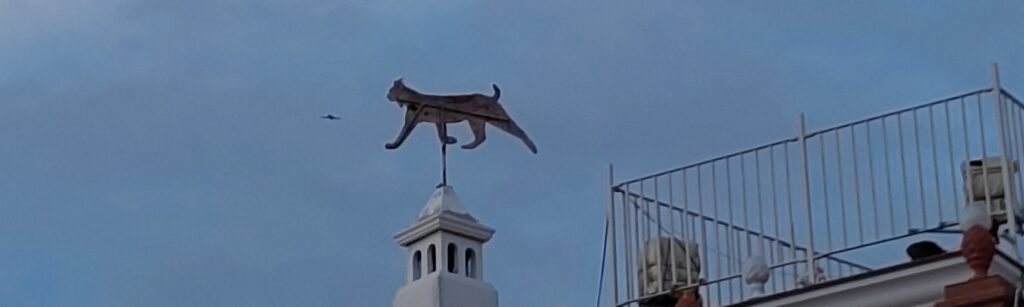
People seem more aware of what they have. Nature tourism has multiplied. The walk between El Rocío and the Madre de las Marismas marshland is now full of people of all ages and nationalities carrying binoculars and large cameras. The weathervanes on the rooftops are no longer only roosters, but also lynxes, flamingos and geese. The houses closest to the marsh are gradually turning their front doors and windows towards the water — which, believe it or not, used to be at the back of the houses, the place to park the car or leave the rubbish bin.
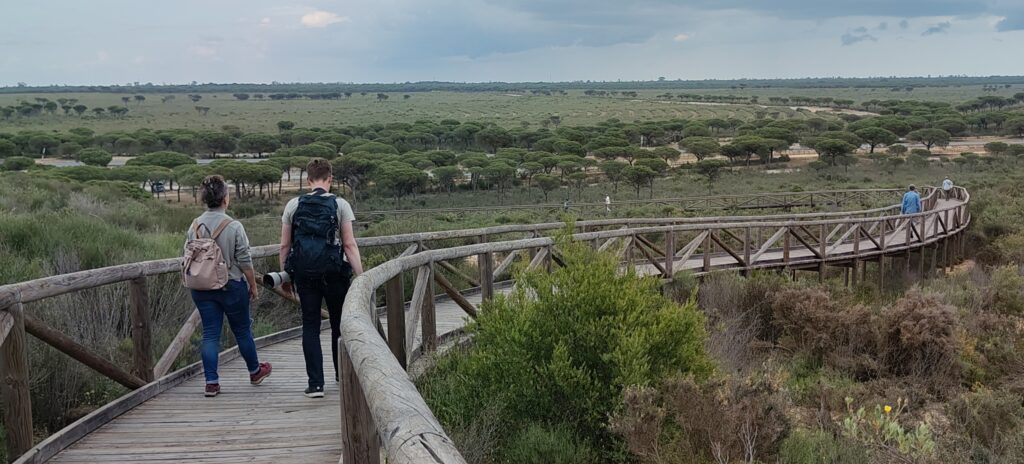
It is what my friend Miguel Murcia calls “slow change”: the kind of change that takes time but also takes root.
While this gives me hope that things can get better, visiting Doñana was still bittersweet. People are increasingly valuing what they have, but many of the pressures undermining this extraordinary landscape are accelerating. The current global economic model continues to give more weight to short-term economic benefits, while ignoring the long-term impacts of failing to care for the planet. And particularly, for the world’s wetlands – the freshwater and coastal ecosystems, like Doñana, that underpin our societies and economies.
Unsustainable agriculture, especially the industrial production of strawberries to satisfy Europe’s love for the fruit, has been a key factor in the degradation of Doñana, pumping too much water from the wetland and reducing its capacity to adapt to climate change, which is now pushing this iconic wetland — and many others — to the limit.
And yet, the last two years have actually been great for Doñana. They have brought record rainfall, and the wetland has remained wet – unlike in previous years when large portions of it dried up completely. Even so, some ponds did not stay full for long, because the groundwater table cannot recover in such a short space of time after decades of excessive (and often illegal) abstraction of water, especially as this still continues.
Doñana has been lucky recently. But wetland conservation cannot rely on good luck. Especially with the climate crisis intensifying.
We need to accelerate action – not just in Doñana, but in other degraded wetlands across the globe. Locally, we can collaborate closely with communities and other actors so they are fully aware of what they have and what they may lose, and then co-create solutions with them to conserve their wetlands and the diverse benefits they provide. We can create alternative livelihoods and economies, which thrive by sustaining nature rather than harming it — as is gradually happening in Doñana. Globally, we must tackle the perverse policies, harmful subsidies and nature-blind finance flows that continue to put wetlands under pressure.
That is why my colleagues and I gathered in such an inspiring place: to define pathways for implementing Wetlands International’s new and ambitious strategy, and to imagine ways to speed up that “slow change” — the transformation of our societies and economies so that wetlands receive the respect, value and beneficial investments they deserve.
I look forward to returning to Doñana some years from now, and seeing that it has changed again. Witnessing how it is developing into a real-life example, at scale, of a new, sustainable way of living with wetlands that benefits people, nature and climate.
And, of course, to see it full of water again.
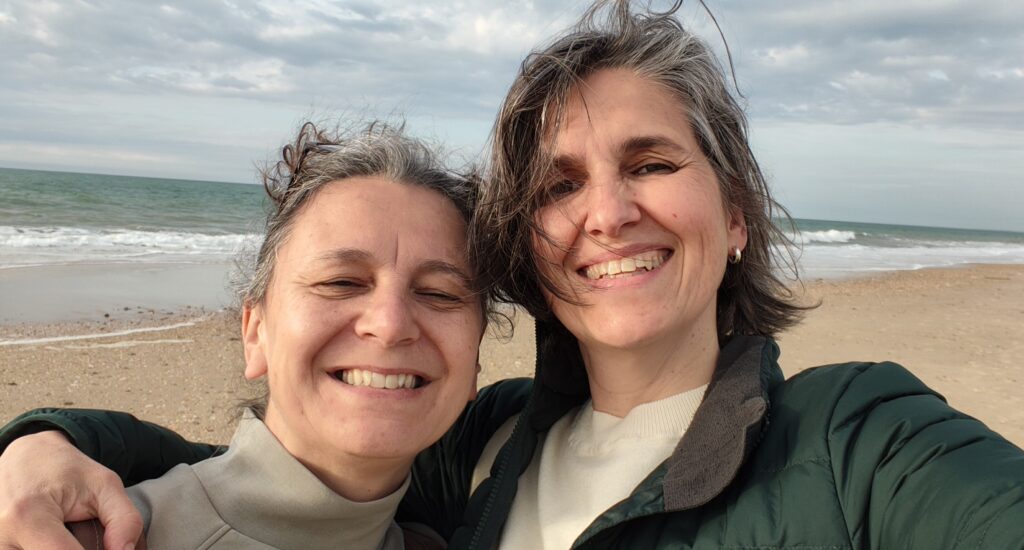
That’s me on the right with my colleague & friend, Francesca Antonelli, who is our Rivers & Lakes Lead