
Putting Afghanistan back on the Flyway map
By Ayub Alavi, CEO, Organization Rewild
In January 2026, high in the winter landscapes of Afghanistan, where rivers cut through mountains and deserts stretch wide, I set out with a team of conservationists carrying our binoculars, notebooks, and hope. For the first time in decades, Afghanistan was rejoining the International Waterbird Census – an annual global count of migratory waterbirds.
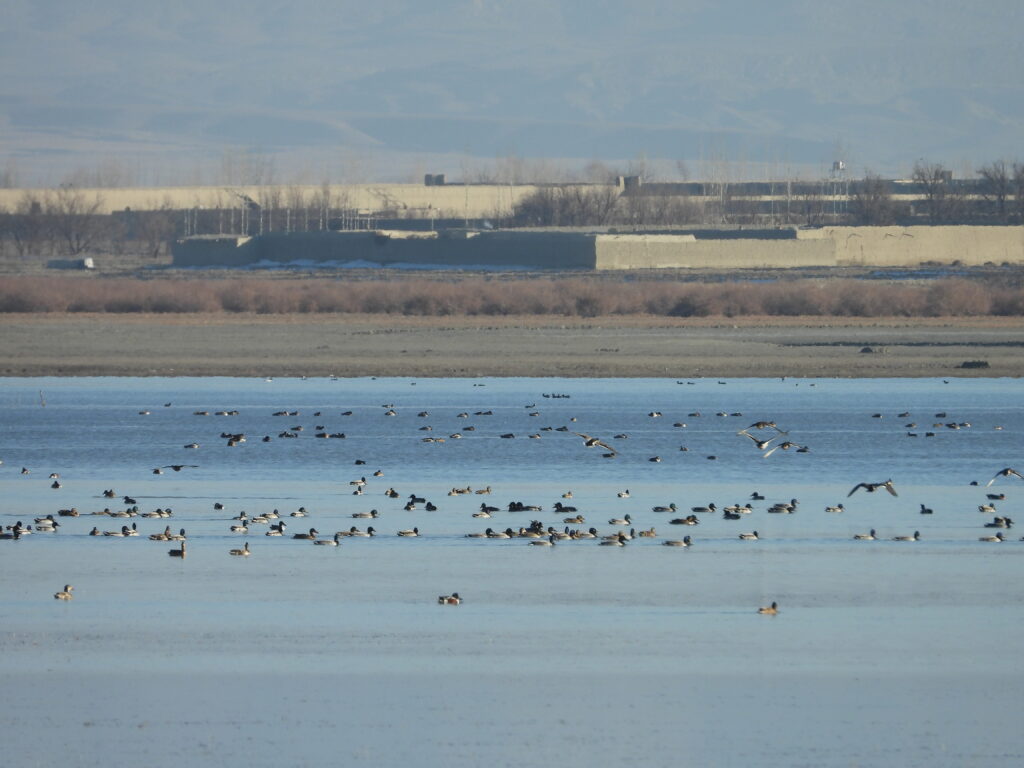
Traveling across frozen valleys and remote wetlands, my team from Organization Rewild (OR) surveyed six key wetlands, from the reservoirs of the Kabul River to the reed-filled marshes of the Amu Darya floodplains.
We counted waterbirds, assessed habitat conditions, spoke with local communities about changes they have witnessed over the years, and walked across the dry basin of Ab-i-Estada – once a sanctuary for flamingos and a resting place for the now-lost Siberian Crane of Central Asia.
Shepherds spoke of lakes that no longer fill as they once did. Farmers described shifting seasons. Yet in hidden marshes along the Amu Darya, reeds still sheltered wintering birds, reminding the team that nature’s resilience has not disappeared.
This was more than a bird count. It was a reconnection — of Afghanistan to the global flyway, of people to their wetlands, and of conservation to a landscape that still matters to millions of migratory birds each year.
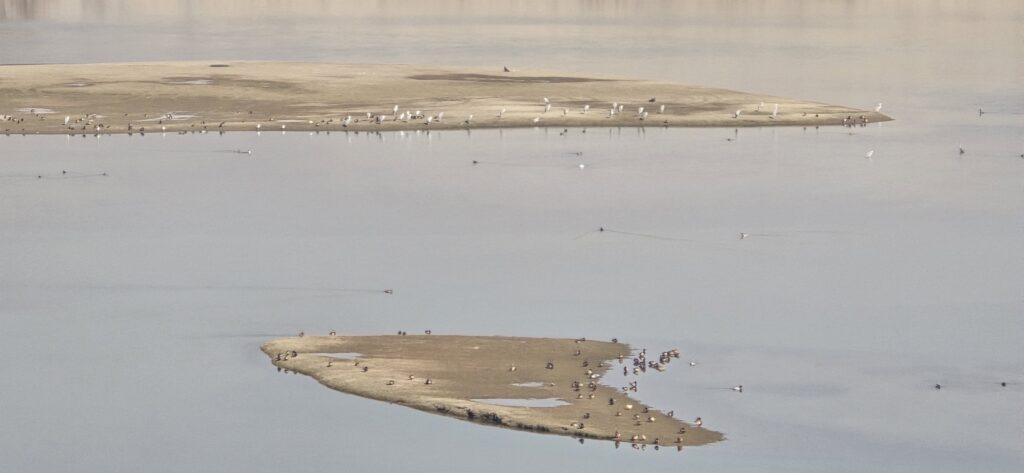
The surveys revealed both hope and urgency. Important wintering flocks of waterbirds still rely on these wetlands along the Central Asian Flyway. Even after decades of conflict and insecurity, the birds are still coming. And now, once again, someone is counting.
And this is critical as the theme of World Migratory Bird Day makes clear – because counting is essential to conservation.
This first renewed national count in the country is a major milestone. It re-establishes Afghanistan’s presence in global waterbird monitoring and provides the first updated baseline in decades for some of the country’s most important wetlands. The data has been shared and discussed with national authorities to support better wetland management and conservation planning.
Most importantly, the mission shows that conservation is still possible and still valued in Afghanistan. Indeed, as a result of these efforts in waterbird monitoring and subsequent coordination with Afghanistan’s National Environmental Protection Agency (NEPA), our organisation and NEPA were able to implement a nationwide Crane Conservation Awareness Campaign during their spring migration through Afghanistan.
Even in difficult circumstances, dedicated local scientists are working to re-connect their country to international environmental efforts and safeguard the wetlands that link Central, South and Southeast Asia, through the journeys of migratory birds.
Afghanistan is back on the flyway map.
————————————————————————–
SUPPORT the IWC – Helping conservationists like Ayub in Afghanistan to participate in the next International Waterbird Census is critical. Please consider donating to the IWC’s Waterbird Fund to support counts across the globe.