Valuing wetlands
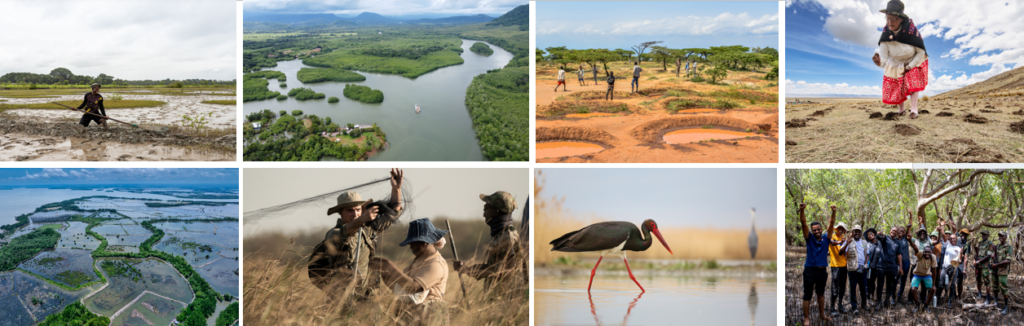
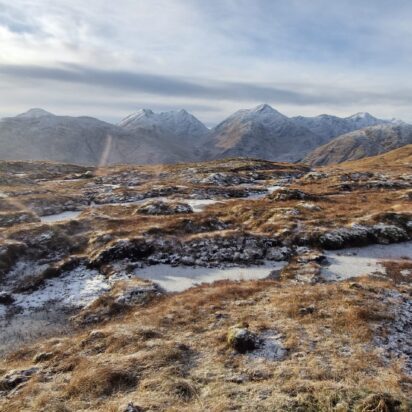
Wetlands are our life support systems. These diverse freshwater and coastal ecosystems underpin our societies and economies. They exist in every country, wherever water meets land and include rivers, floodplains, lakes, peatlands, deltas, mangroves, seagrass meadows, and shallow coral reefs.
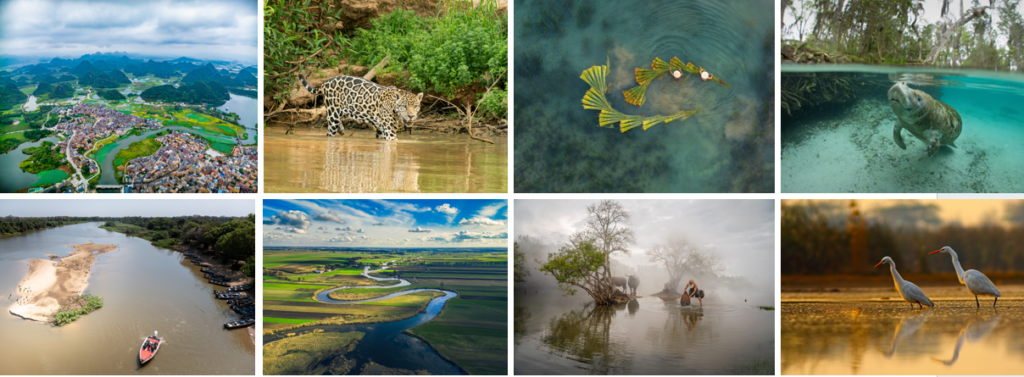
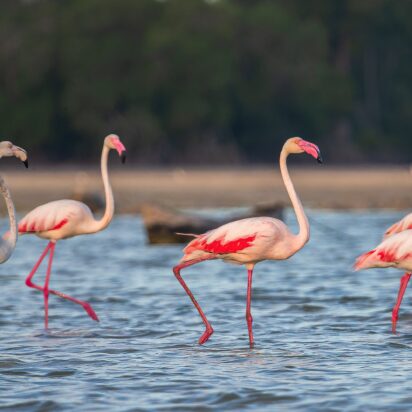
Wetlands provide up to US$39 trillion in annual benefits, supply almost all our freshwater, and directly support over one third of global food production. They are central to our lives, cultures and livelihoods from Indigenous communities to megacities, and to peace and security. Wetlands are also climate champions, storing 30% of the carbon on land, and buffering us from the worsening water-related impacts of our warming world, like floods, droughts and sea level rise. And they are amongst the richest ecosystems for biodiversity on Earth.
Wetlands are the most threatened ecosystems
Despite their critical importance to people, nature and climate, the diverse benefit of wetlands have long been undervalued and overlooked. Rivers have been viewed primarily as pipes for water, lakes as places to be pumped dry and polluted, and other wetlands as just ‘wastelands’ to be converted.
This has contributed to the loss of around 22% of the world’s remaining wetlands since 1970. And they are continue to be destroyed, drained, dammed, dredged and degraded at an alarming rate – a trend that is being exacerbated by climate change, which is rapidly altering their functioning. Indeed, the 2025 Global Wetland Outlook estimated that 25% of surviving wetlands are degraded. This has driven us to cross the planetary boundary on freshwater, undermined food security and climate action, and contributed to the dramatic decline in global biodiversity, including an 85% loss in freshwater species populations on average since 1970.
It is crystal clear: the world cannot achieve the global goals for climate, biodiversity, and sustainable development unless we halt the loss of wetlands and rapidly scale up their restoration and integrated management.
But the tide is turning
The good news is that solutions to halt wetland loss as well as restore degraded wetlands exist. We know how to collaborate with communities, partners and governments to bring rivers, mangroves and other wetlands back to life. We know that finance must be redirected away from activities that harm wetlands and towards nature-based solutions that sustain them. We know that Indigenous Peoples are integral to effective, sustainable conservation but that all sectors must play their part.
We also know that the world is waking up to wetlands. But progress is still too slow. We need to urgently accelerate wetland action. And that’s where we come in.
Over the last 30 years, Wetlands International has co-created and implemented solutions in wetlands across the globe, sharing lessons that can be replicated and scaled up. We have built up the necessary expertise, knowledge and partnerships at local, landscape and global levels to protect and restore wetlands at scale – for the benefit of people, nature and climate.