

Counting migratory birds is key to saving them
In January 2026, for the first time in decades, Afghanistan rejoined the IWC counts. Surveying six sites along the Kabul River and the Amu Darya floodplains, they recorded wintering waterbirds, habitat conditions, and spoke with local communities about environmental changes. Their work marked Afghanistan’s return to the International Waterbird Census (IWC), reconnecting the country to the global IWC network, tracking wintering migratory waterbirds across the flyways.
In 2026, World Migratory Bird Day focuses on the theme “Every Bird Counts – Your Observation Matters.” This theme reflects the importance of community-based monitoring in understanding and protecting migratory birds. It also closely resonates with the essence of the International Waterbird Census (IWC), coordinated by Wetlands International, which marked its 60th count earlier this year.
Since its launch in 1967, the IWC has grown into one of the world’s largest and longest-running citizen science biodiversity monitoring schemes. Each year, thousands of volunteers count waterbirds across wetlands worldwide. These coordinated efforts provide data on species distribution, population trends, and habitat use, helping to inform conservation policy and site management.
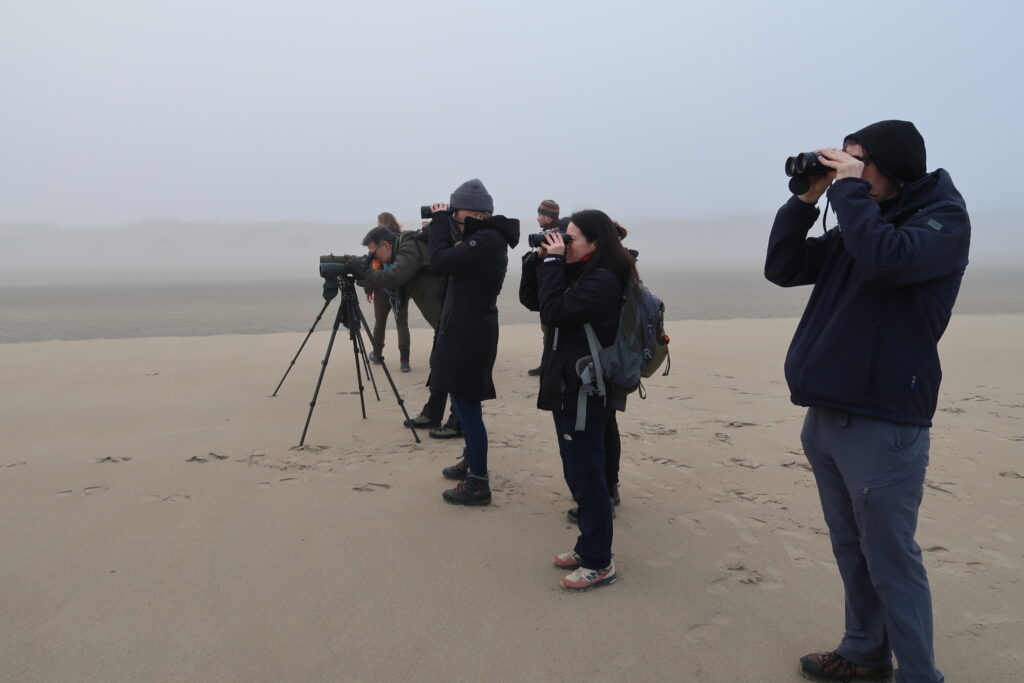
In 2026, financial support from the Waterbird Fund, managed by Wetlands International and used to support countries where monitoring depends on external financial support, helped enable counts across multiple regions, including Central Asia, East Africa and Southeast Asia. These contributions helped enable counts not only in Afghanistan but also in countries such as Burundi, Ethiopia, Kenya, Indonesia, Rwanda and Turkmenistan. Many of these countries rely on external support to sustain monitoring efforts.
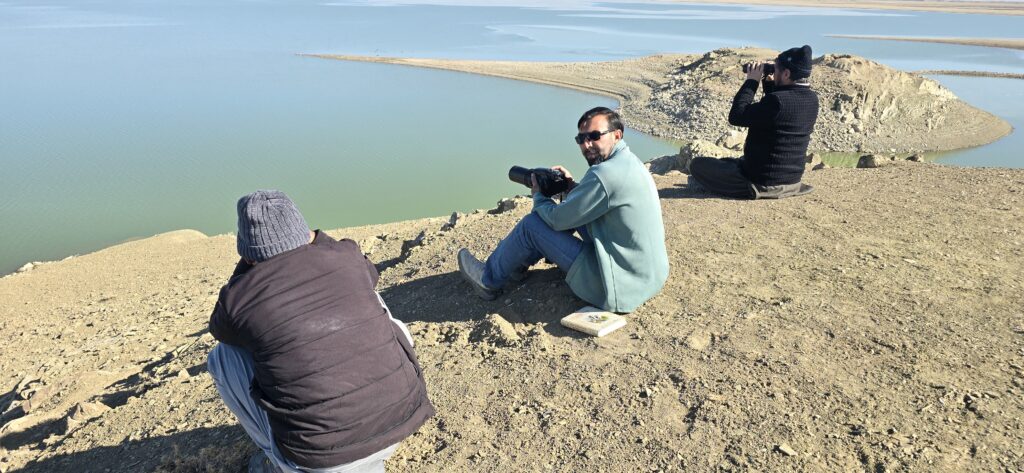
In Burundi, February 2026 counts recorded over 13,000 waterbirds – almost double the previous year’s total. Surveys across key wetlands, including Rusizi National Park and the northern lakes, highlighted the importance of these sites for both resident and migratory species. However, the counts also revealed ongoing challenges, including illegal fishing and hunting, and disturbances from human activity.
In Ethiopia, counts conducted across 30 wetlands over a 30-day period covered more than 7,000 kilometers and were able to identify an increase in population sizes and species composition across certain wetlands. At the same time, many wetlands were found to be under significant pressure from agricultural activities and expansion, water abstraction, invasive species such as water hyacinth, and pollution. These findings highlight the importance of continued monitoring to track environmental change and guide management recommendations.
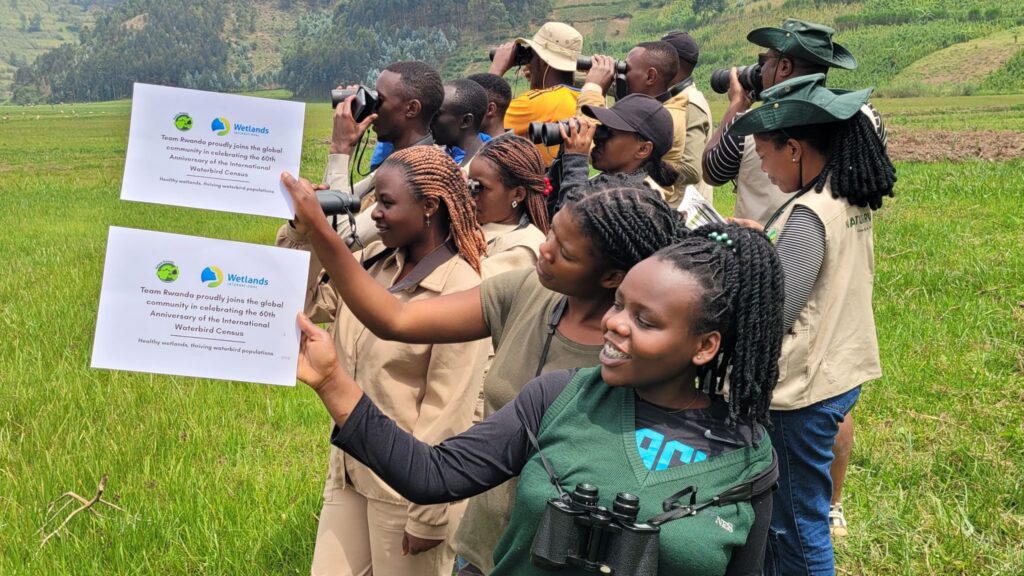
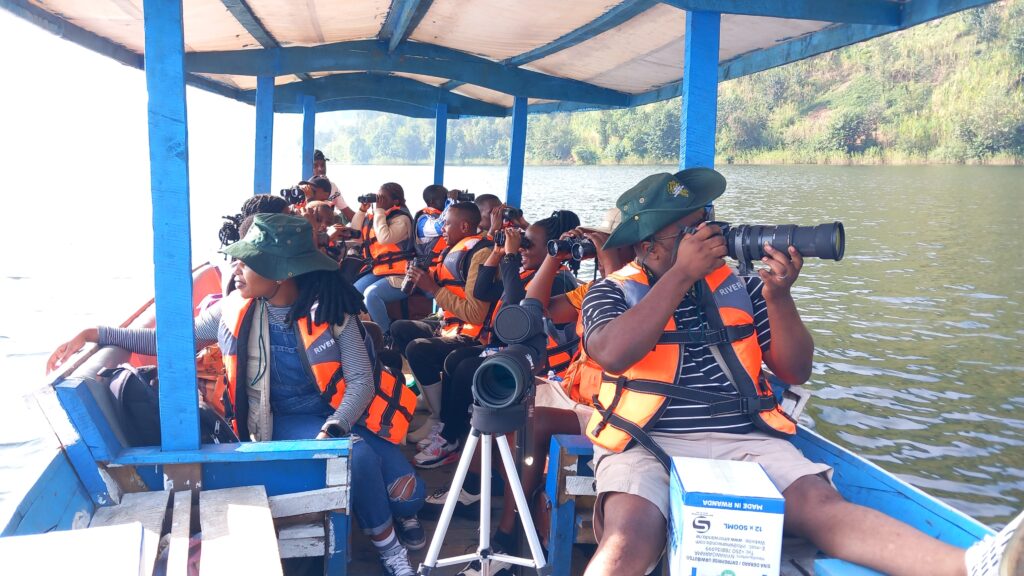
The 2026 Rwanda IWC count marked an excellent example of the continuously growing community of citizen scientists. In January 2026, counts recorded 2,871 individual waterbirds from 58 species across 12 wetlands, a significant expansion from the initial seven wetlands surveyed in the first Rwanda IWC in 2021. Ahead of the January 2026 count, Nature Rwanda conducted a dedicated capacity-building training session for 27 new counters, which provided hands-on instruction in the standardized IWC field protocol, species identification, and technology-based data collection.
Thanks to efforts like these, Rwanda’s IWC network has grown from 30 members in 2021, to 128 trained individuals in 2026. This reflects a rapidly expanding network across universities, conservation organisations, local guides, rangers, boat captains, birding groups, and community volunteers, exhibiting the incredible variety of people part of the IWC. Data collected through the IWC has already contributed to concrete conservation actions, including ongoing restoration of the degraded Gikondo Wetlands and Gatsata Wetlands in Kigali, under the lead of the Rwanda Environment Management Authority.
In Uzbekistan, the 2026 IWC count was coordinated by the Uzbekistan Society for the Protection of Birds (UzSPB) and further illustrated the scale of coordinated monitoring efforts. Surveys recorded over 90,000 waterbirds, from 57 species across 17 wetlands, including several important bird area (IBA) and key biodiversity area (KBA) sites. Among the counts, 15 species listed in either the Uzbekistan Red Data Book or by the IUCN were documented, indicating the conservation relevance of these efforts.
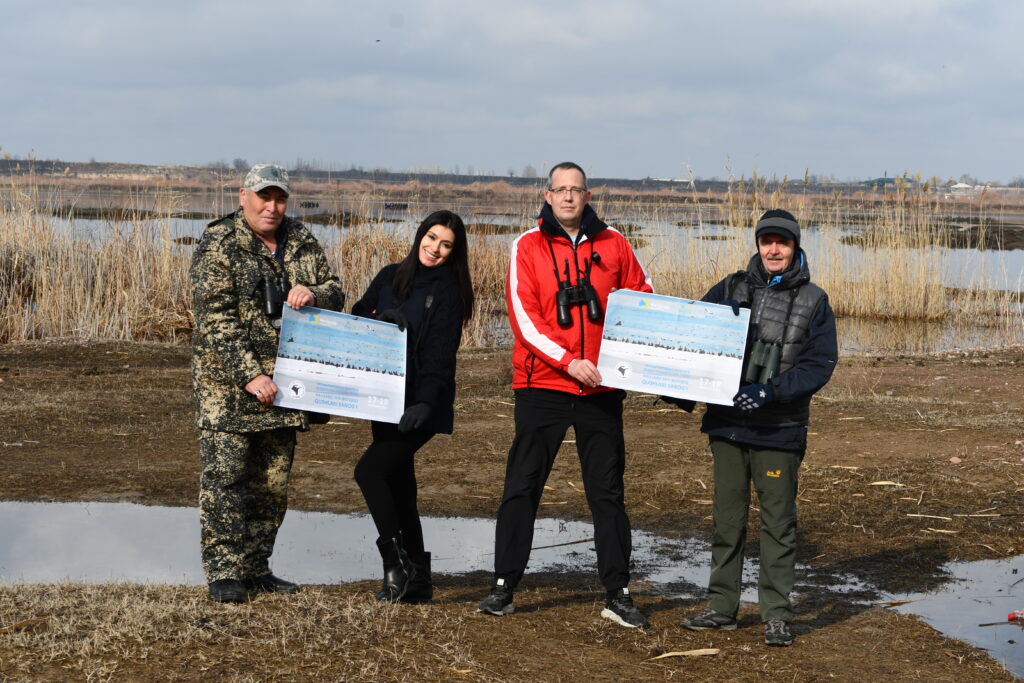
All of these global initiatives, from campaigns such as World Migratory Bird Day to monitoring efforts such as the IWC, show how public participation, ranging from large scale organized surveys to individual observations, can generate knowledge that would otherwise not be possible. From Afghanistan rejoining the flyway, to growing citizen science networks in Rwanda, every observation contributes to a better understanding of migratory birds and the wetlands they depend on.
Without the yearly counts, many of these alarm bells would go unnoticed – reinforcing the importance of continued efforts, only possible through financial support from the Waterbird Fund.
Just like every bird counts, every donation will help to keep these counts going. The best bet is to donate directly to the global Waterbird Fund.