Wetlands International at CBD COP17
The 17th meeting of the Conference of the Parties (COP17) to the Convention on Biological Diversity (CBD) will take place from 19–30 October 2026 in Yerevan, Armenia.
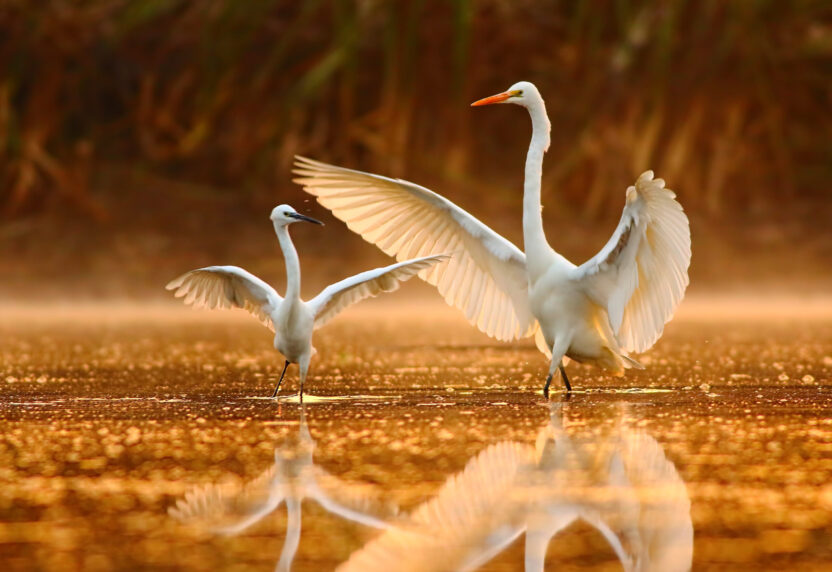
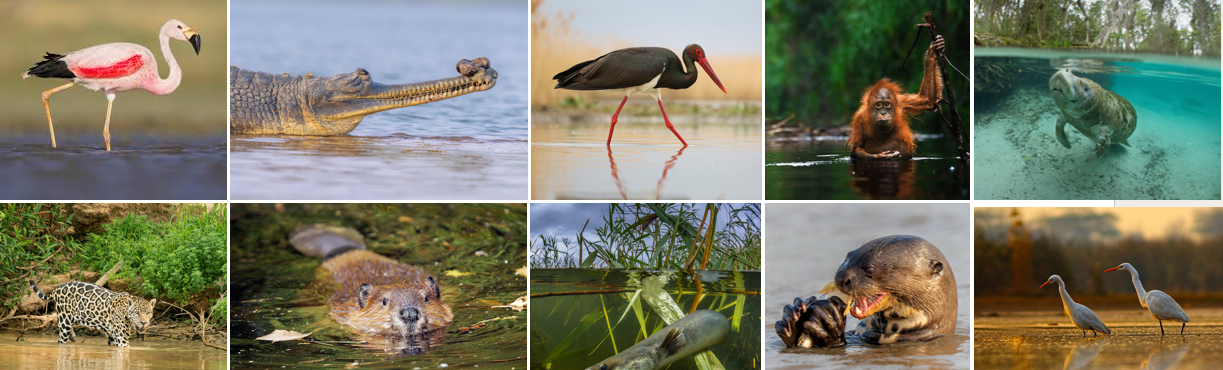
Despite covering only about 6% of the Earth’s surface, wetlands are some of the richest and most diverse ecosystems on the planet, hosting hundreds of thousands of species in rivers, reefs, lakes, lagoons, marshes and mangroves. These ecosystems are biodiversity powerhouses, sustaining a dazzling array of species from iconic mammals, like hippos, dolphins and otters to migratory waterbirds, fishes, amphibians, reptiles, crabs and insects and so much more.
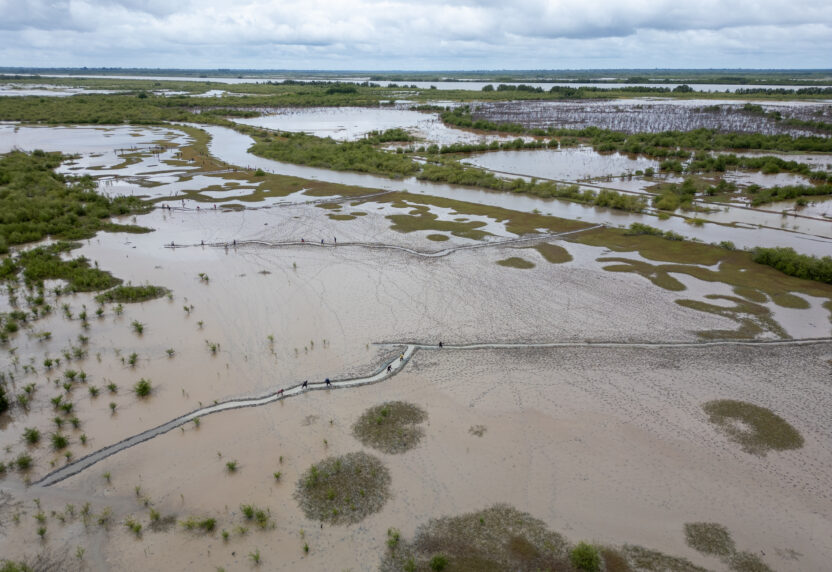
But we have lost over 22% of the world’s wetlands since 1970 and are continuing to lose them at an alarming rate. The clearest sign of the damage we have done to our wetlands is the 85% collapse in freshwater species population on average since 1970. Urgent action is needed to protect and restore the world’s wetlands to safeguard all these extraordinary species and reverse the loss of nature.
Briefing paper for CBD COP17
Wetlands International is calling on Contracting Parties to CBD COP17 to:
- Prioritise wetlands as vital natural infrastructure for biodiversity, climate and people. Champion wetlands in high-level dialogues, COP decisions, and national actions to enhance delivery of the KMGBF. Recognise wetlands as critical watery interconnectors of all three Rio Conventions and the UN Water Conference.
- Increase ambition and action on wetland restoration and conservation to deliver Targets 1, 2 and 3. Improve the incorporation of Wetlands of International Importance and other wetlands into 30×30 and the Protected Areas Programme of Work. Engage with multistakeholder implementation initiatives such as the Freshwater Challenge, Mangrove Breakthrough, and Peatland Breakthrough.
- Invest in wetlands as ultimate nature-based solutions for climate mitigation, adaptation and resilience, and as critical nodes in the global hydrological cycle. Include an explicit focus on water and water-related ecosystems as part of efforts to align biodiversity and climate action. Mainstream wetland protection, restoration and wise use at national level, in climate finance, and in the multilevel roadmap.
- Accelerate resource mobilization for inland water and coastal wetland restoration and conservation, and redirect harmful subsidies. Integrate wetlands into national biodiversity finance plans; use GEF, GCF, MDB and bilateral finance to build investment pipelines; and mobilise private and blended finance with environmental and social safeguards.
- Enhance practical cooperation with the Convention on Wetlands to strengthen KMGBF implementation and MEA synergies. Make the most of wetland data, technical guidance on integrating wetlands into NBSAPs and other topics. Strengthen collaboration between National Focal Points; and improve cooperation between Ramsar Regional Initiatives and CBD Technical Support Centres.
- Incorporate wetlands into subnational implementation of the KMGBF and strengthen connections with the Wetland City Accreditation scheme.Support the fuller integration of wetlands into urban development frameworks and spatial zonation; and prioritise wetlands as natural infrastructure in urban planning.
- Address the direct and indirect drivers of wetland biodiversity loss and ecosystem degradation. Transform agriculture, fisheries, aquaculture and water-related infrastructure sectors. Explore the benefits of ecocentric approaches such as Rights of Wetlands and Rights of Rivers.
Find us at CBD COP17
Wed 21 October
Generating Impact: Scaling Dutch international partnerships for Nature Based Solutions
14:15-15:15
Netherlands Pavilion
This event will focus on collaborations of the Dutch water sector to promote, implement and scale Nature-based solutions, with special reference to initiatives in West Africa and their potential for sustainable water management and biodiversity benefits.
The Ocean in the Global Review: Progress, Gaps and Ways Forward
16:30-18:00
Vayk – Side-event Room 3
This official side event will assess whether ocean-based action is advancing and explore options to accelerate action towards 2030. In particular, it will consider the Ocean Breakthroughs and insights emerging from their Dashboard, highlighting potential pathways to raise ambition, strengthen accountability and translate GBF commitments into measurable action for marine and coastal ecosystems.
18:15-19:45
Dilijan – Contact Group 5
This side event will highlight how “water towers” and connected freshwater ecosystems can become a practical entry point for accelerating implementation of the Kunming-Montreal Global Biodiversity Framework, how resources are being mobilized to support that and how the Freshwater Challenge initiative is a key pathway to safeguard freshwater biodiversity and beyond.
Thurs 22 October
Wetlands for Biodiversity, Climate and People: India’s Journey in Advancing GBF and NBSAP Implementation
13:15–14:45
India Pavilion
18:15-19:45
Ashtarak – NGOs Group meeting room – Block 2, 3rd Floor
The session will support enhanced implementation by showcasing country, basin, and subnational experiences and identifying practical pathways for scaling wetland conservation and restoration. These include improved financing, capacity development, scientific and technical cooperation, and knowledge management, while strengthening alignment across multilateral environmental agreements and advancing biodiversity mainstreaming and water–climate–land integration.
Fri 23 October
Peatlands and Wetlands as Strategic Assets: Financing Resilience, Security, and the Next Generation of Nature Markets
15:00-16:15
MDB Pavilion
Sat 24 October
From Margins to Mainstream: Scaling Wetland Finance to Deliver the Global Biodiversity Framework
13:30-14:30
Nature Positive Pavilion
This event examines what it will take to move wetland protection and restoration finance from isolated pilots and grant-funded projects to investable, scalable financing models. Bringing together leading voices from finance, conservation and business, the panel will explore how emerging approaches to adaptation and resilience finance can mobilise investment in wetland protection and restoration at scale, and in doing so accelerate effective delivery of the KM-GBF.
Water and biodiversity day at Global Biodiversity Framework Pavilion
14:00-18:00
GBF Pavilion
Sun 25 October
Ecocentric Accelerants Under the KMGBF: Rights of Nature, Ecocide, and Legal Innovations for Nature
11:30-12:30
Forum room B, IUCN Pavilion
This side event explores how Rights of Nature, legislation on ecocide, and other ecocentric, inclusive, and rights-based approaches can help accelerate progress toward global biodiversity goals, close implementation gaps, and transform humanity’s relationship with nature.
Mon 26 October
GEO-Wetlands: Operationalizing Wetland Earth Observation for National Action and KMGBF Reporting
13:00-14:00
Data to Action pavilion
Convened by GEO-Wetlands and aligned with the Ramsar STRP work programme, this session delivers an operational roadmap to embed Earth Observation (EO) directly into national policy and reporting. By moving past isolated pilots to institutionalized monitoring, the session links EO capabilities to the Ramsar Secretariat’s Wetland Inventory Guidance.
14:00-15:00
Nature Positive Pavilion
Countries, communities and partners have emerged to make unprecedented commitments and innovations in how to protect, restore and track progress for conservation of rivers, lakes, peatlands and other wetlands. This event will spotlight those pathways through an interactive dialogue led by governments, Indigenous and local community leaders, financiers and civil society partners. The discussion will center on common challenges raised in the Global Report and consolidate experience-based solutions for implementation and monitoring of inland water ecosystems.
Tue 27 Oct
Strategic Framework for Community-led Conservation: Showcasing African Tools and Approaches for Community–led Conservation.
12:00-13:00
FPWC Blue Zone Pavilion, Meridian Exhibition Center
Wed 28 October
13:15-14:45
Lastiver – Youth Group meeting room
This event will showcase exemplary case studies of inland water protection and restoration that contribute to the implementation of the Kunming-Montreal Global Biodiversity Framework, including Target 3 on conserving inland waters and Target 2 on ecosystem restoration. It will celebrate the progress made since the adoption of the Global Biodiversity Framework while exploring how successful approaches can be accelerated and scaled to achieve greater impact.