

Biodiversity hotspots
Despite covering only about 6% of the Earth’s surface, wetlands are some of the richest and most diverse ecosystems on the planet, hosting hundreds of thousands of species from rivers to reefs, lakes to lagoons, marshes to mangroves. And supporting a wealth of other wildlife on land and in the ocean.
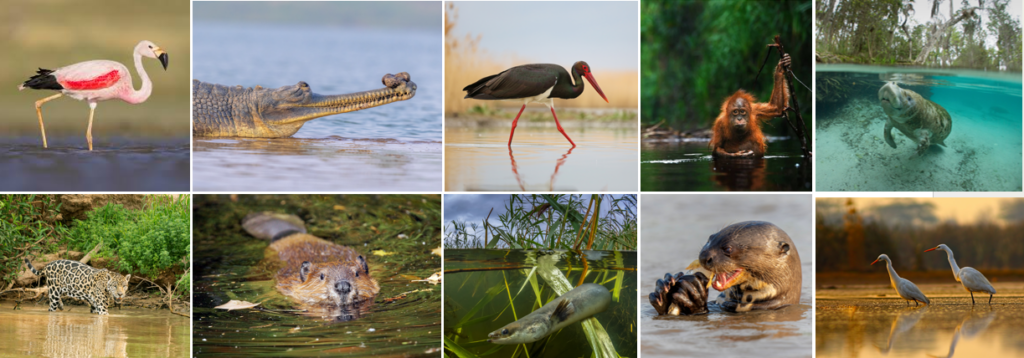
These ecosystems are biodiversity powerhouses, sustaining a dazzling array of species from iconic mammals, like hippos, dolphins and otters (DYK there are 14 species of otter?!) to migratory waterbirds, fishes, amphibians, reptiles, crabs and insects. And so much more…
Freshwater species alone account for around 140,000 species or 10% of the world’s known species, while tens of thousands more inhabit the world’s mangroves, saltmarshes, seagrass beds and shallow coral reefs.
But we have lost over 22% of the world’s wetlands since 1970 and are continuing to lose them at an alarming rate. The clearest sign of the damage we have done to our wetlands is the 85% collapse in freshwater species population on average since 1970. Urgent action is needed to protect and restore the world’s wetlands to safeguard all these extraordinary species and reverse the loss of nature.
Peatlands
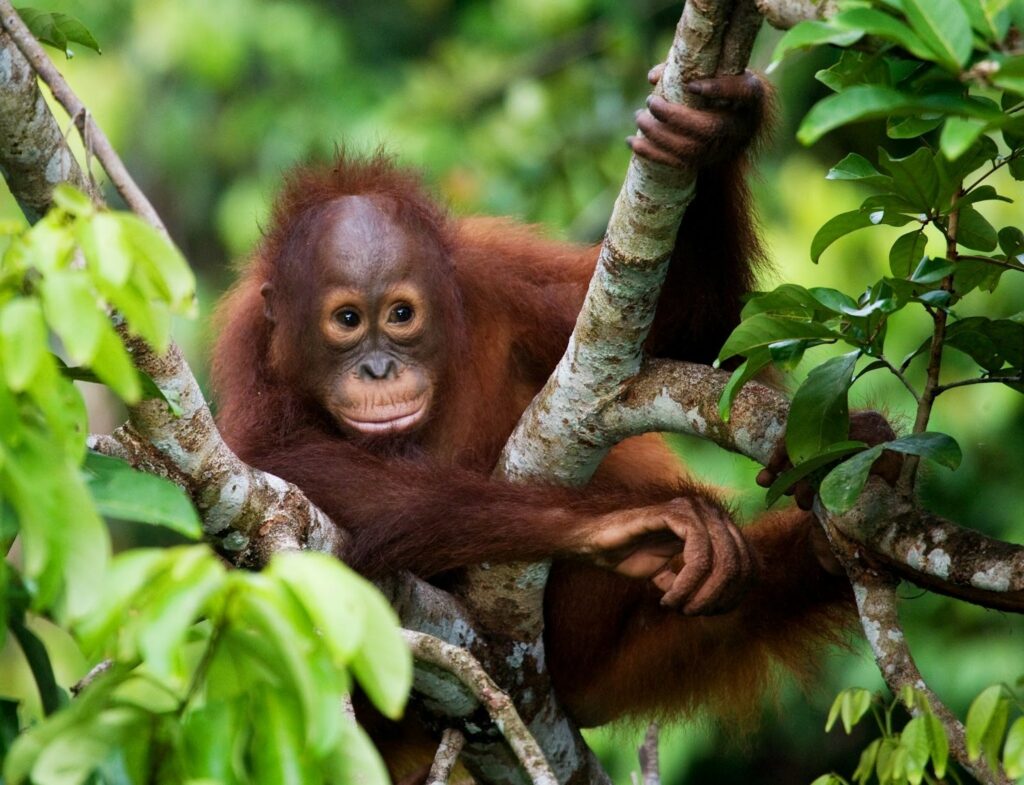
Peatlands sustain a rich variety of species from insect-eating sundew plants in temperate regions to tapirs in tropical climates. In the Congo Basin, the endangered Okapi, a forest-dwelling mammal, relies on peat swamp forests for shelter and food, while the beloved Bornean orangutans find home across the rich peatland forests in Indonesia’s Borneo peat swamp forests.
Peatlands face numerous threats but drainage is the greatest. Peatlands are drained for timber plantations and, in the tropics, to cultivate the oil palm. Drainage causes land subsidence and floods and increases the risk of fires in the dried peat, causing a chain reaction to other neighbouring ecosystems. Losing the world’s remaining peatlands threatens the survival of many species and fragile ecosystems that are connected to them.
Rivers and lakes
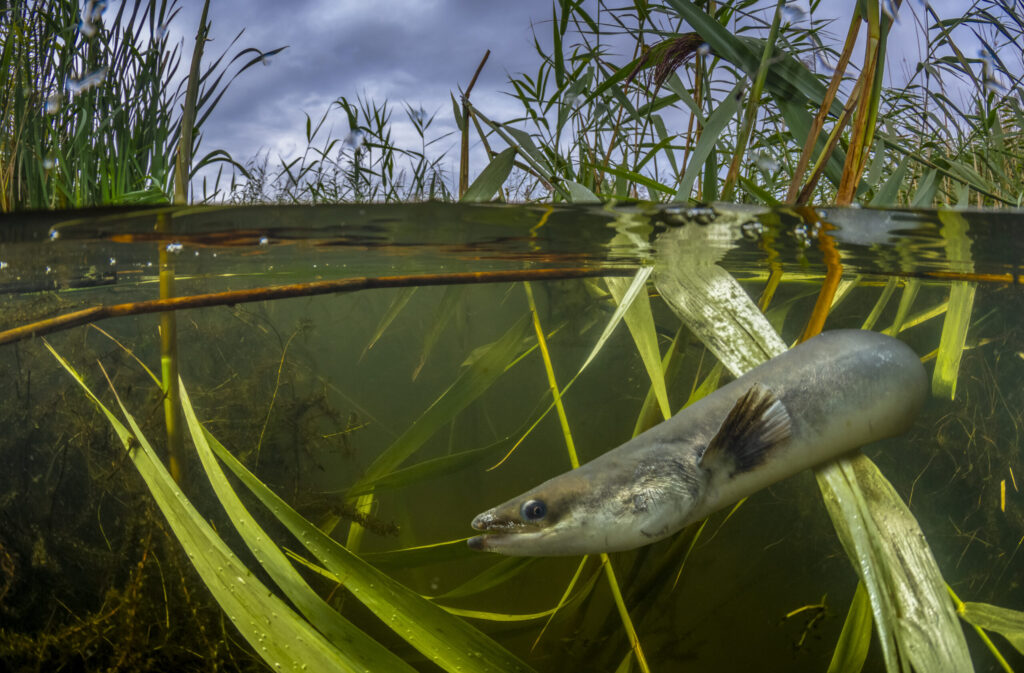
Over 50% of all fish species on the planet are found in fresh water like rivers, lakes and ponds. These freshwater habitats are also home to over 100,000 other freshwater species like crabs and alligators, with over 200 new ones being discovered annually. From turtles and frogs to manatees, these wetlands are critical for the survival of many threatened species.
Unfortunately, dams, pollution, and overexploitation are threatening freshwater wetlands, and with them, the countless species that depend on them. Many rivers empty into the ocean, creating a domino effect between freshwater and marine habitats, and impacting species living in them and migrating between them.
Mangroves and Seagrasses
Coastal wetlands host a wealth of marine biodiversity. Seagrass meadows support 20% of the world’s biggest fisheries, mangrove forests provide a haven to more than 1,500 plant and animal species, including a vast biodiversity of commercially valuable species like shrimp and snapper.
These habitats also play an important role in maintaining the health of other biodiversity hotspots. Mangroves and coral reefs share a mutually beneficial, symbiotic relationship, often alongside seagrass beds, forming ecologically interdependent ecosystems that are essential for coastal biodiversity. Additionally, the intricate root systems of mangroves create natural corridors between ecosystems, enabling larger species to move between habitats and use mangroves as vital breeding grounds.

The World’s Great Flyways
Twice a year, millions of migratory birds embark on arduous journeys across continents. Their survival relies on the wetland ecosystems that dot their flyway routes.
The East Atlantic Flyway — stretching from the Arctic to Africa — sustains millions of migratory birds annually, including the critically endangered Spoon-billed Sandpiper. The East Asian–Australasian Flyway, spanning 22 countries, is home to 50 million migratory waterbirds of over 210 species. Here, for instance, a single mudflat’s loss in China can mean thousands of Red Knots lose a place to rest, refuel, and raise fledglings. Peatlands across Central Asia and Mongolia are vital nesting and resting sites for the threatened Siberian Crane during its long migration from Siberia to its non-breeding grounds in China.
Migratory bird populations significantly affect our world by acting as crucial ecosystem regulators, dispersing seeds, controlling insect populations and maintaining the health of ecosystems. However, we are seeing a highly concerning decline in populations of migratory birds across the globe, disrupting food webs and ecosystem services like pollination and pest control. This ripple effect can lead to imbalances in ecosystems far beyond the birds’ breeding or migratory routes.
Our Shared Future
We need to reverse the loss in wetland biodiversity because every species is extraordinary and should be safeguarded. And because every species is part of the fabric of the wetland ecosystems that underpin our societies and economies.