

Global Waterbird Estimates Partnership
The global partnership for estimating waterbird numbers
Waterbirds connect wetlands across continents. Knowing how many there are, and where their numbers are heading, is the first step to protecting them and the wetlands they depend on.
For over 30 years, the Waterbird Population Estimates (WPE) have been a critical resource for the Convention on Wetlands. They underpin the designation of Wetlands of International Importance. It also supports the designation of internationally important sites for migratory waterbirds including for the East Asian – Australasian Flyway Partnership, the African-Eurasian Waterbird Agreement, and the Western Hemisphere Shorebird Reserve Network. They also feed into global goals, including the Kunming Montreal Global Biodiversity Framework and the Sustainable Development Goals. The WPE has been produced by Wetlands International and accessible through the Waterbird Populations Portal.
Decisions on conservation, site protection and flyway management need current figures. The Global Waterbird Estimates Partnership (GWEP) brings governments, flyway initiatives, scientists and conservation organisations together to keep that knowledge up to date. GWEP has been established in response to unanimous adoption of a resolution by Parties of the Ramsar Convention on Wetlands. We are now inviting organisations and experts to join us and support that work.
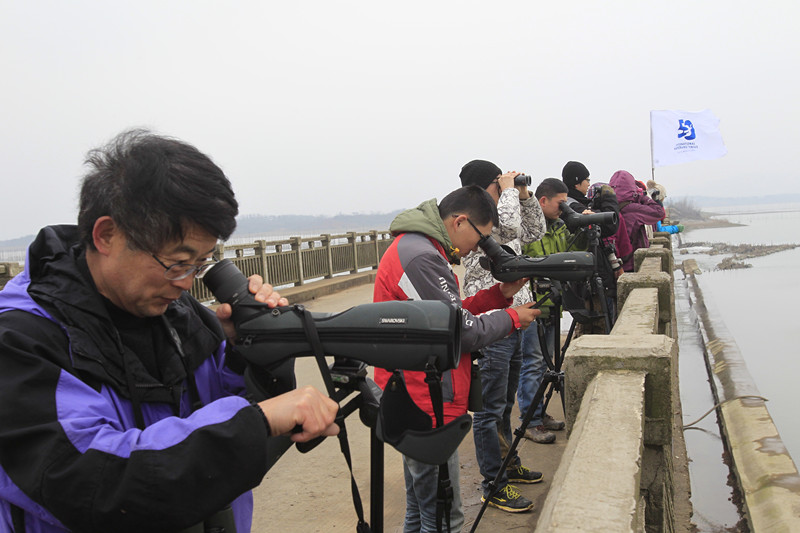
What GWEP does
GWEP provides a long term international framework for updating the Waterbird Population Estimates. Its first major output is WPE 2027. More than 1,500 high and medium priority waterbird populations have been proposed for assessment. The results will be published as open access data on the Waterbird Populations Portal.
Together, the partners:
- oversee regular reviews of the waterbird populations size and trend estimates;
- align counts and assessments across regions and flyways;
- agree common standards for data and analysis;
- build monitoring capacity where data gaps are largest; and
- secure long term funding for future editions.
Join us
If you lead a flyway initiative, run a national monitoring scheme or hold expert knowledge of a species group, please join GWEP. You help shape the global estimates and become part of a worldwide network for waterbird and wetland conservation.
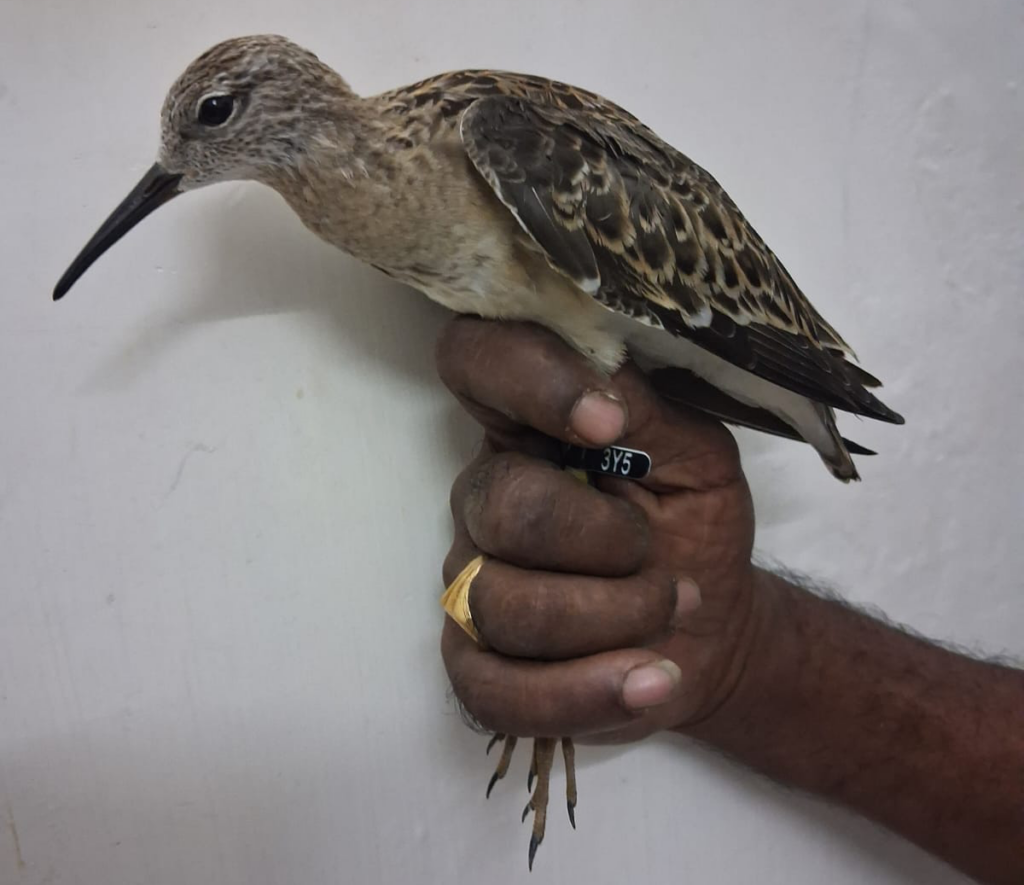
populations of waterbirds in the Waterbird Population Estimates. Photo credit. Dr S. Balachandran.
Become a Partner
Partners can be Contracting Parties to the Convention on Wetlands or relevant multilateral environmental agreements, International Organization Partners (IOPs) of the Convention on Wetlands, flyway agreements and partnerships, and other global, regional or flyway scale entities working on waterbird and wetland monitoring and conservation.
Downloads
Become a Collaborator
Collaborators can be groups or individuals with expertise in specific taxa, restricted geographic areas, or in other ways that align with the objectives of the Partnership. Collaborators may include, but are not restricted to, taxonomic specialist groups, national centres for ornithology, scientific and technical institutions, and nongovernmental organisations.
Downloads
Join the Steering Committee
Nominations are open for up to four fixed term GWEP members to the Steering Committee for 2026 to 2028 from GWEP partners, to help guide WPE 2027 and develop plans for the future. Members bring waterbird knowledge, geographic reach and support for resource mobilisation. Members take part in at least two online or hybrid meetings a year, act impartially and contribute on a pro bono basis. Nominations are welcome from organisations and individual experts.
Downloads
Contact us
Wetlands International provides the GWEP Secretariat. Contact us on [email protected].