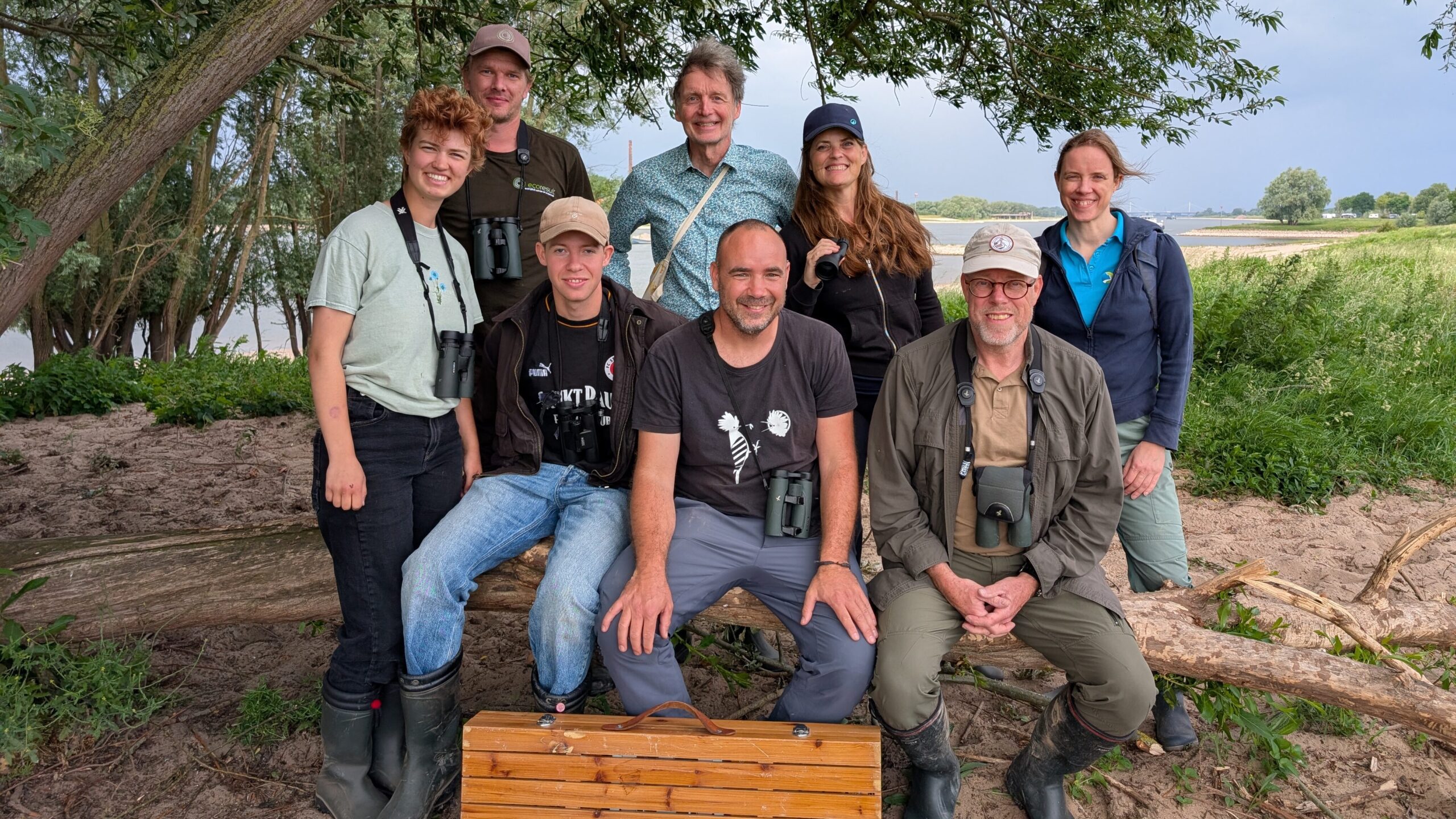

How I became a birder
What they say about entering your 30s is absolutely true. There’s one of two paths you take: you either become a marathon runner or you become a birder. Fortunately for me, I detest running. So here’s the tale of how I became obsessed with birds. (This isn’t a mid-life crisis, I swear).
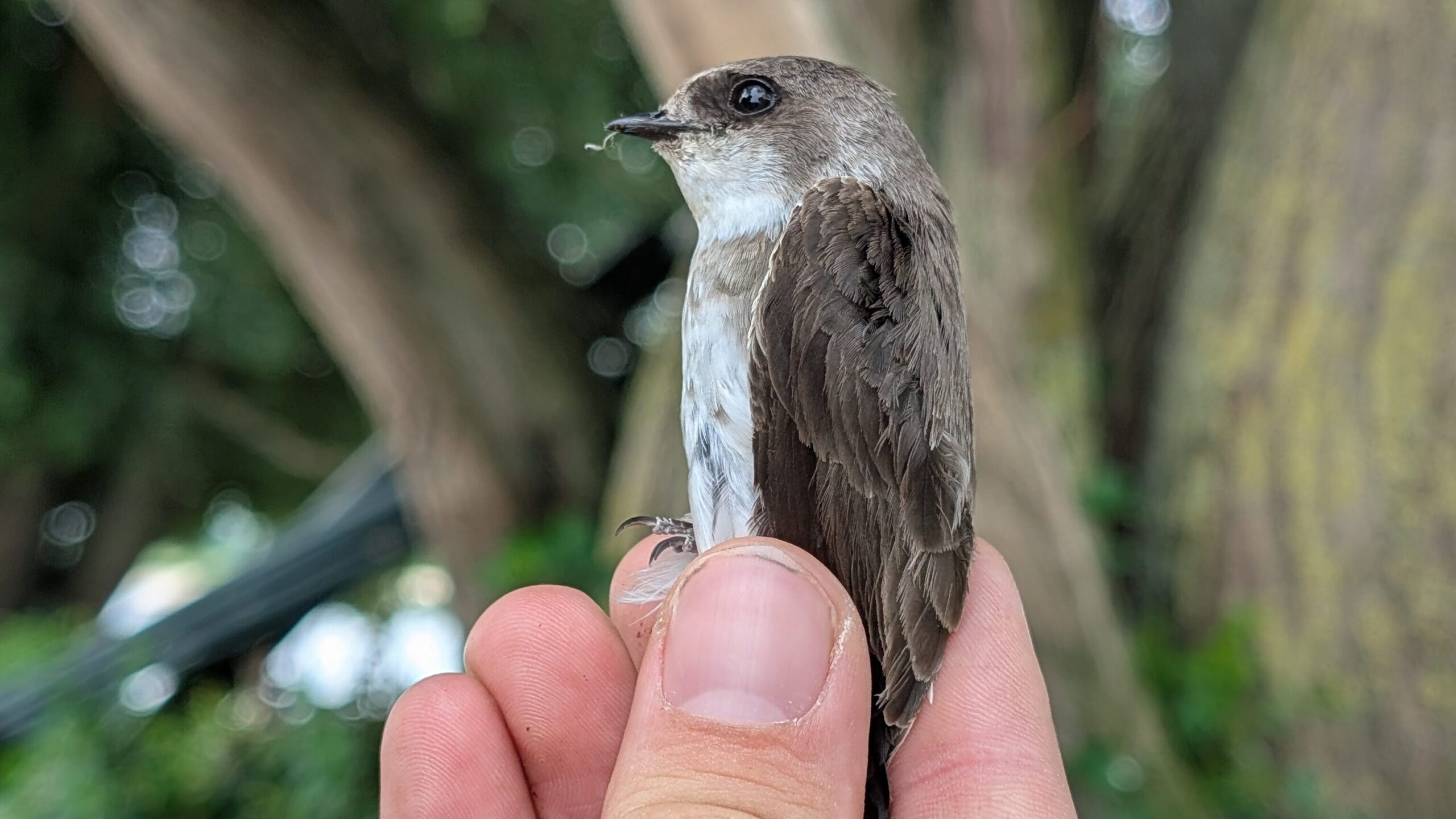
Yesterday, I joined citizen scientists in their efforts to ring Sand Martins. Sand Martins are a kind of swallow. They are teeny tiny, each individual weighing no more than 15 grams (that’s less than what your toothbrush weighs!). But they are incredible.
The Sand Martin is migratory – spending winters in Africa and coming to Europe to breed and nest in the summer. They cover distances of over 8000kms twice a year, sometimes returning to the exact same spots!
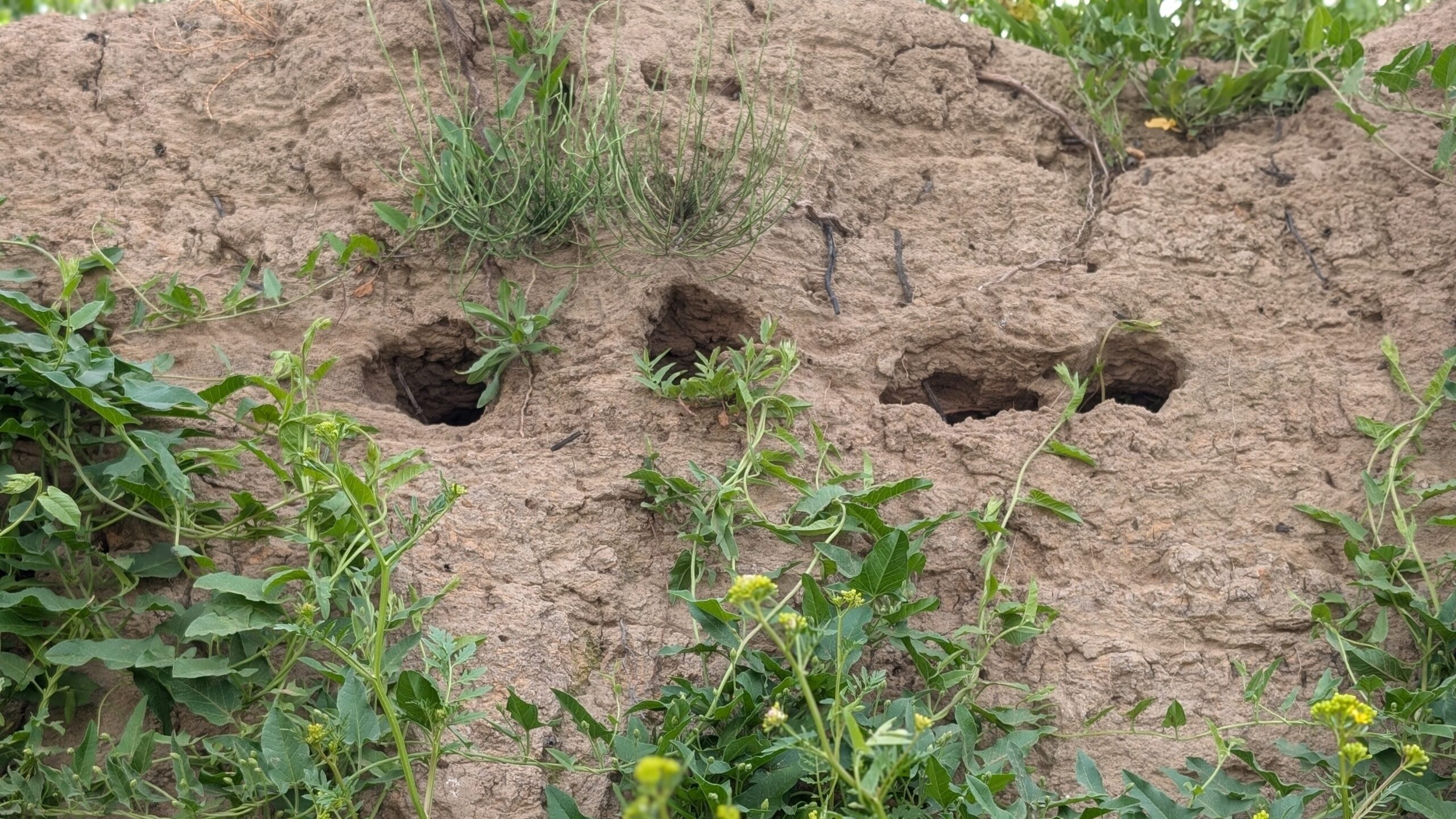
Sand Martins make their nest holes in steep sandy cliffs along riverbanks and that’s why we went along the banks of the Waal (a branch of the river Rhine) in Nijmegen, The Netherlands. Each of these holes was made by the little swallow. They will mate and hatch their young here where the baby birds will learn to fly and feed before making the return journey towards Africa around August.
While I’ve worked in the conservation space for nearly a decade, I have often felt disconnected from nature. Most of what I do day-to-day happens behind a screen and it can be tough to make myself believe that what I do matters for the planet.
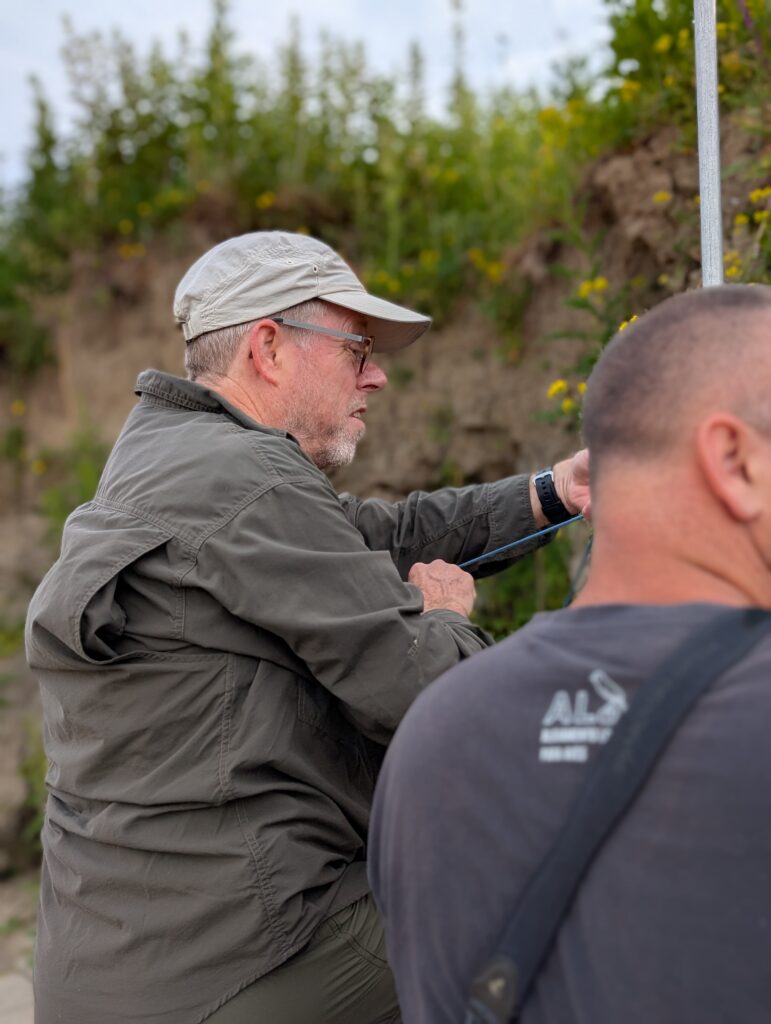
Not yesterday. Yesterday, I got to witness science in action! This is the process of ringing a bird:
- First you strategically set up nets to catch birds (aka close to their nests)
- Then you dislodge the bird from the net and carry it over to your scientific experimentation area (aka the picnic bench)
- Then you place a ring around the bird’s foot which contains an identifying number (aka following Beyoncé’s advice of ‘if you like it then you should have put a ring on it)
- Then you infer all you can about the indivdual bird – its wingspan, approximate age, sex, and weight – and record it to later upload to global databases
- Then you release the bird so it can go tell all its mates how it was abducted by aliens (and came back with jewellery)!
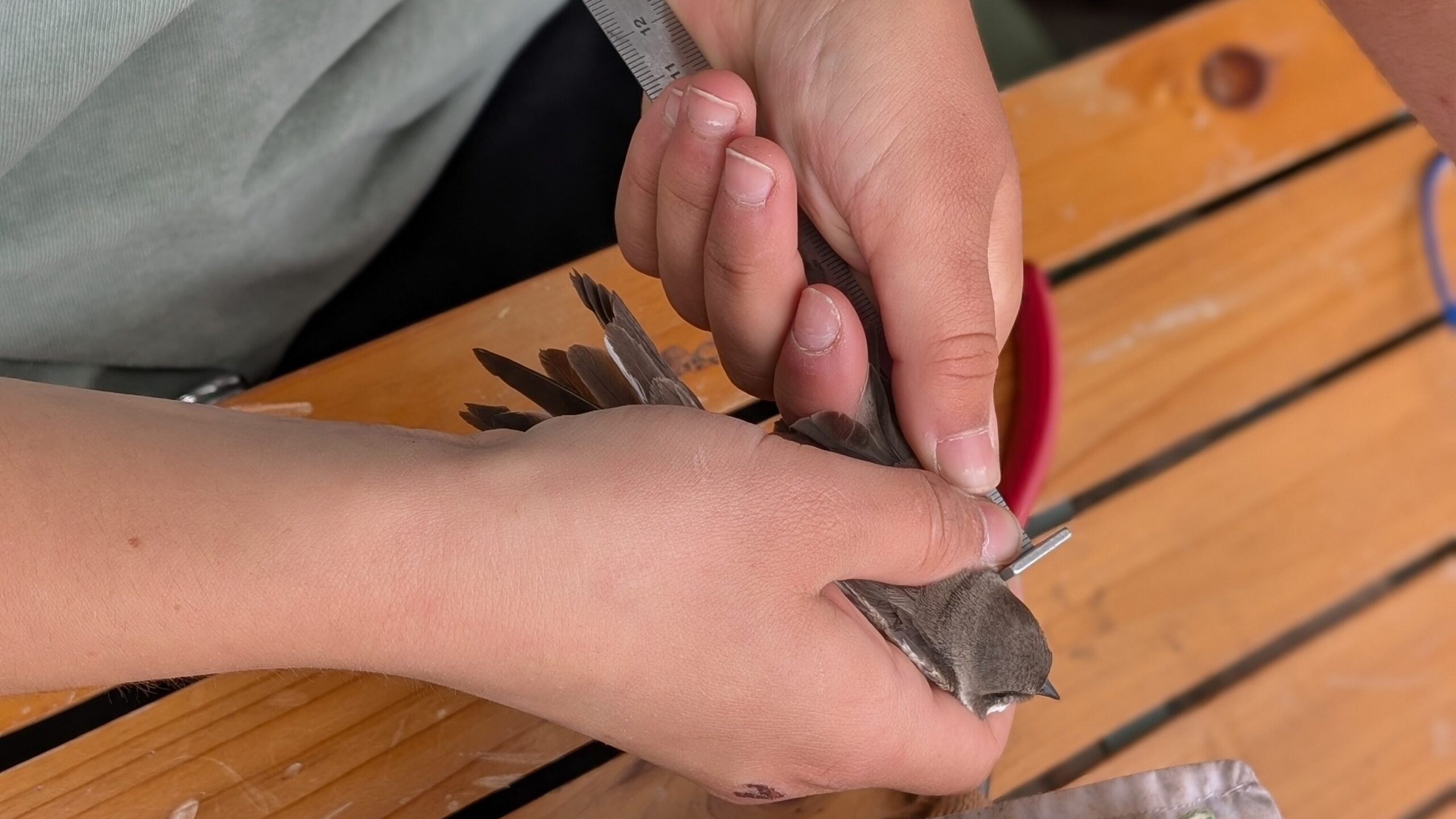
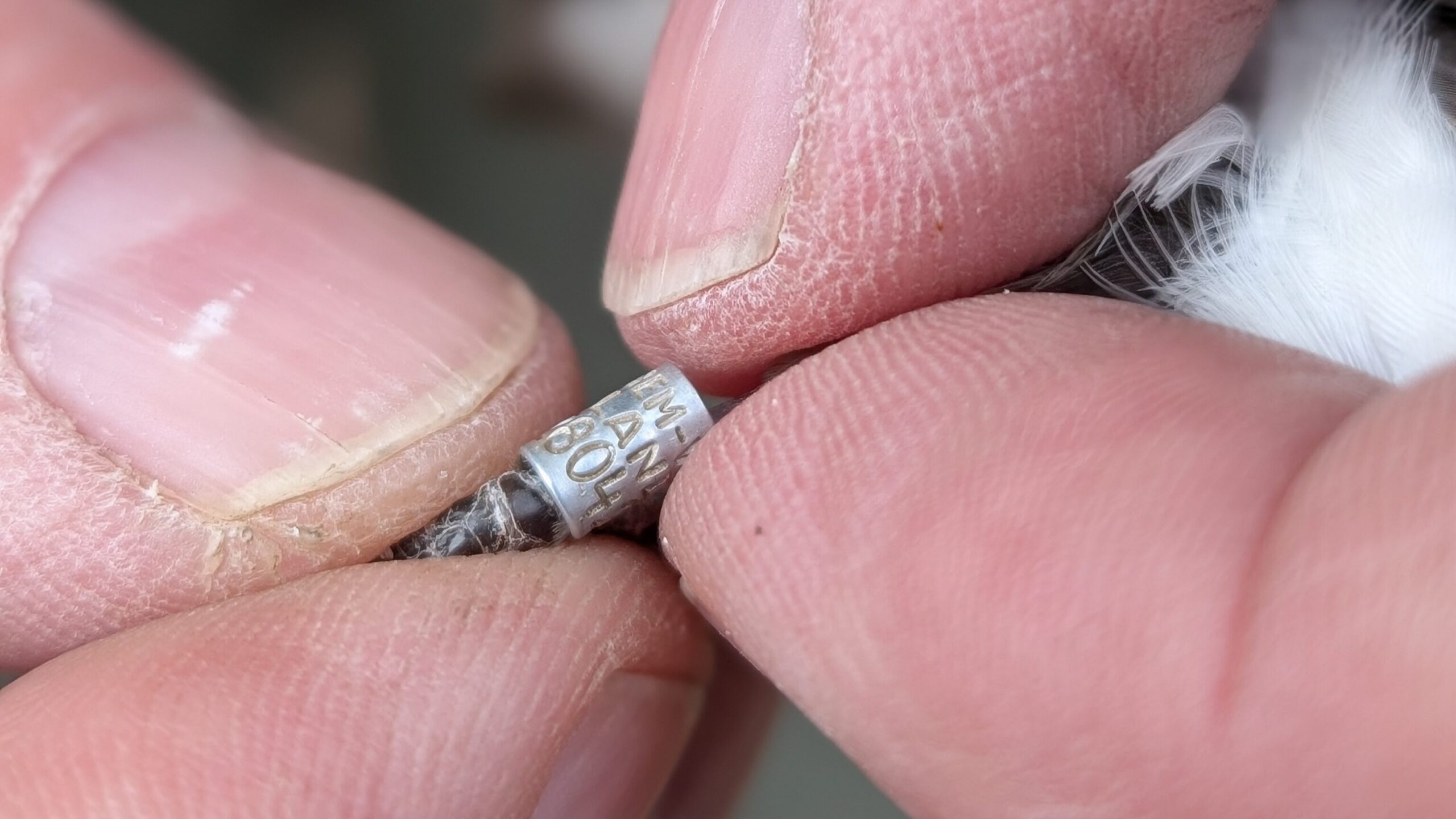
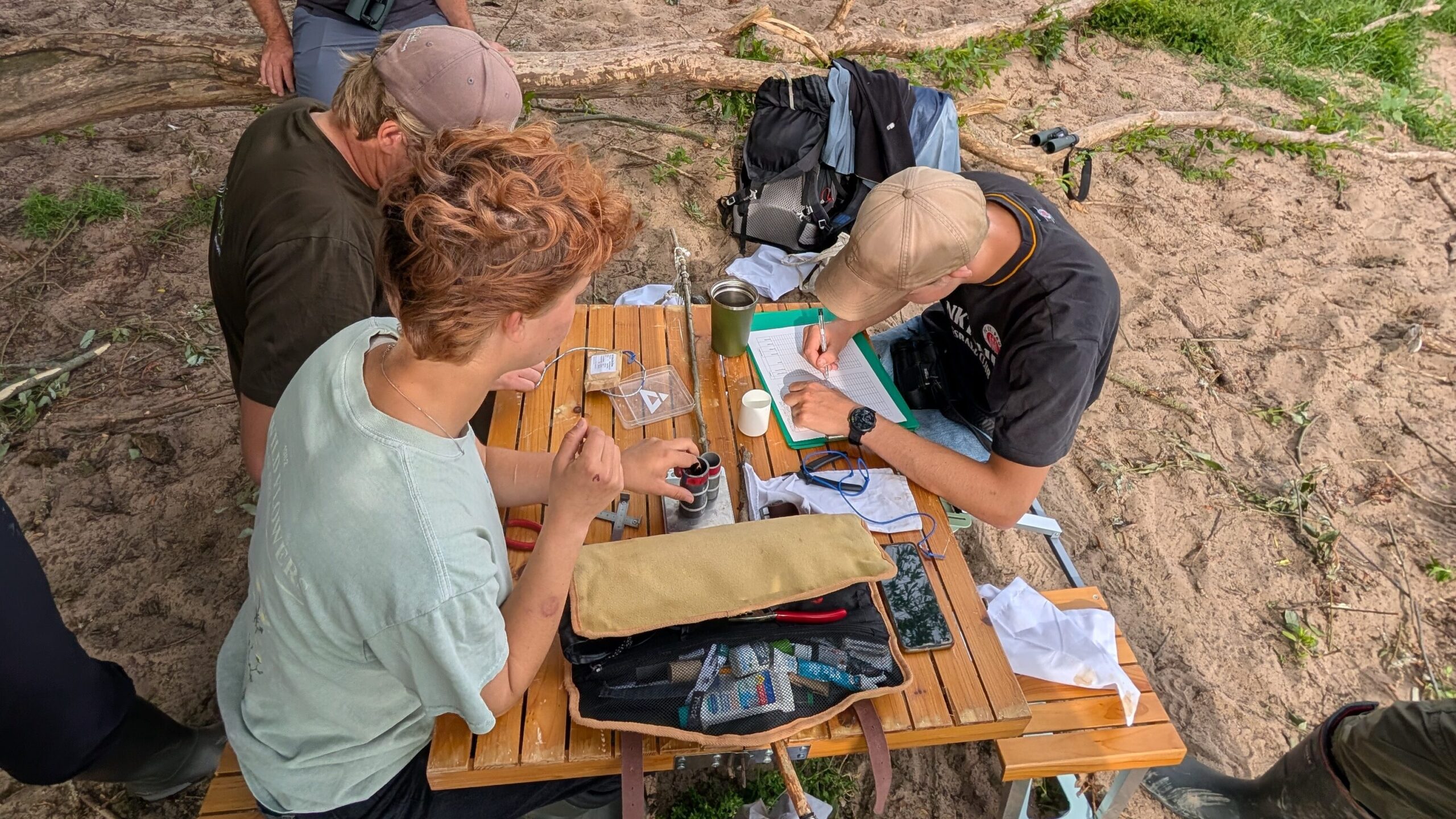
We even caught a couple of birds that had already been tagged by other scientists! Once our data is uploaded to national and/or global datasets, the orginal tagger is made aware so everyone involved has the latest available information on the individual.
This sort of (citizen) science is invaluable. Data about bird populations and migration patters is critical to protecting them and the habitats they depend on. You can learn more about Wetlands International’s work counting waterbirds for over six decades here.
And if that wasn’t amazing enough on its own, I also got to come up close and personal to a herd of wild horses. The experience was truly magical.
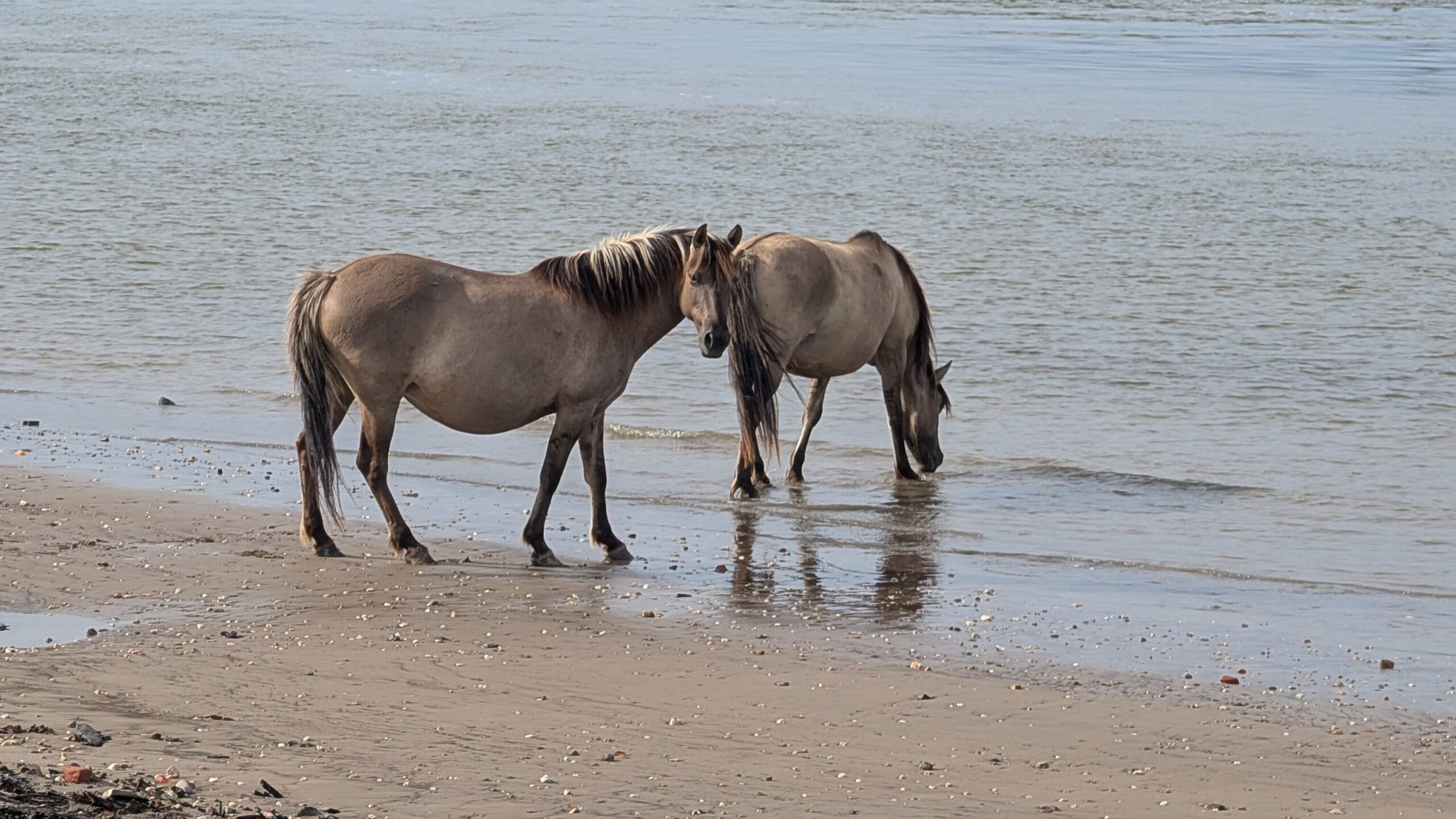
So, anyway, I turn 33 this year and if you’re reading this, consider buying me a pair of binoculars for my birthday because my birding journey is only just getting started.