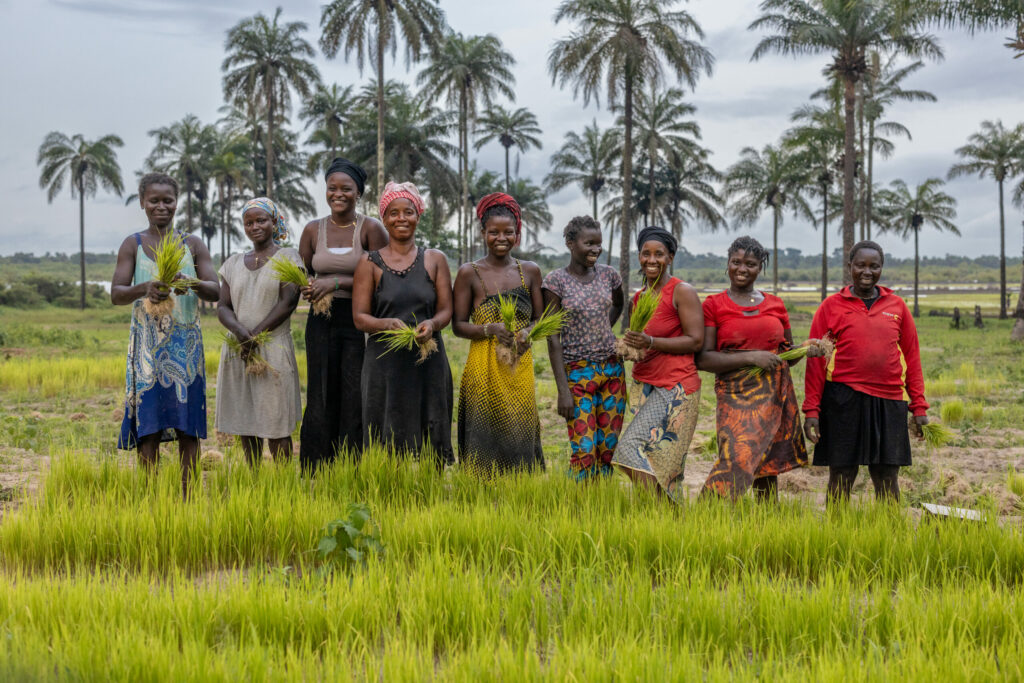

Wetlands and food security
The central role of wetlands in global food security is probably the most overlooked of all the overlooked values of wetlands! The reality is that global food production – and the food security and nutrition of billions of people -depends on wetlands.
Rivers alone directly support 30% of global food production, including food from freshwater fisheries, irrigation, flood recession agriculture, and deltas. Yet few people are aware of the crucial importance of rivers to feeding humanity. Or understand that we will not be able to feed the world without valuing and sustainably managing our rivers.
Detailed in research by WWF, rivers contribute to global food production in four main ways:
1. Crops irrigated with river water. Irrigated agriculture supports about 40% the world’s food production – and about 60% of irrigation depends on rivers.
2. Crops grown on deltas. Rivers build and maintain deltas by dropping their sediment load as they meet the sea. While deltas are a small proportion of the world’s land area, they are highly productive agricultural regions, including some of the world’s great rice baskets, and support dense populations.
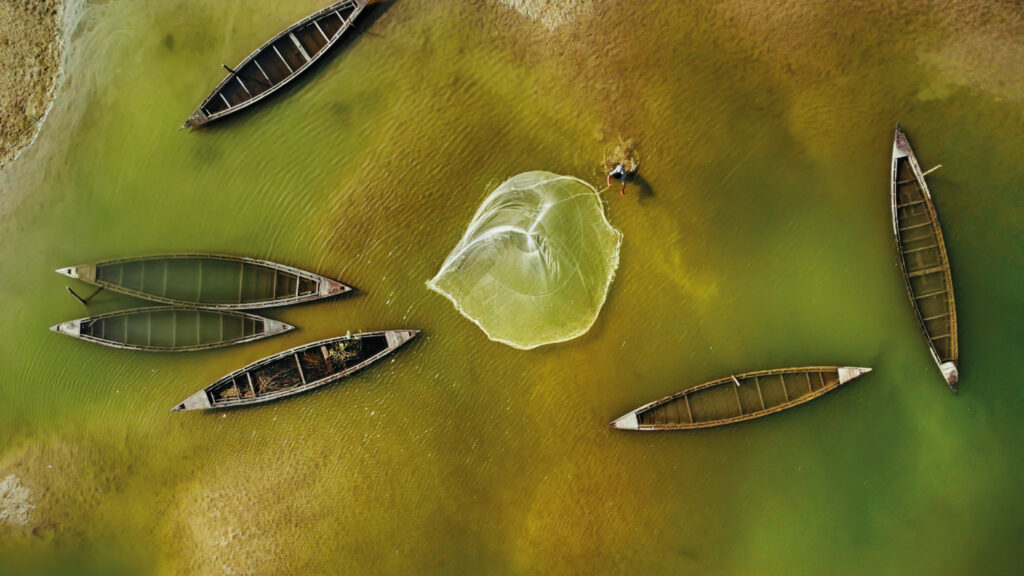
3. Fish that use riverine habitats – and fish grown in aquaculture that uses river water. Approximately 40% of all fish consumed in the world are from freshwater systems or from freshwater aquaculture.
4. Crops from flood-recession agriculture. This is the original form of irrigation, in which people plant in the freshly deposited sediment left behind as a flood recedes. Today, it represents a small proportion of total food production globally, but regionally it can be quite important, particularly in Africa and Asia.
In addition to rivers, coastal wetlands also play an important part in nourishing communities across the globe. Mangroves are vital nurseries for many food fishes as well as other aquatic foods, including shrimps and oysters, while estuarine habitats nurture many commercially important fish species.

It is long past time for decision makers to factor the importance of wetlands for food security into their decisions. Before damming or diverting rivers or converting wetlands into new urban areas, we need to consider what we are losing – often it will be food production, particularly for local communities.
There is no way that the world can sustainably feed 10 billion people without investing in protecting, restoring and sustainably using freshwater and coastal ecosystems. They are fundamental to the food security of billions.