3 ways we’re bringing back the mangroves of Indonesia
Let me take you to the Kayan-Sembakung Delta in North Kalimantan, Indonesia.
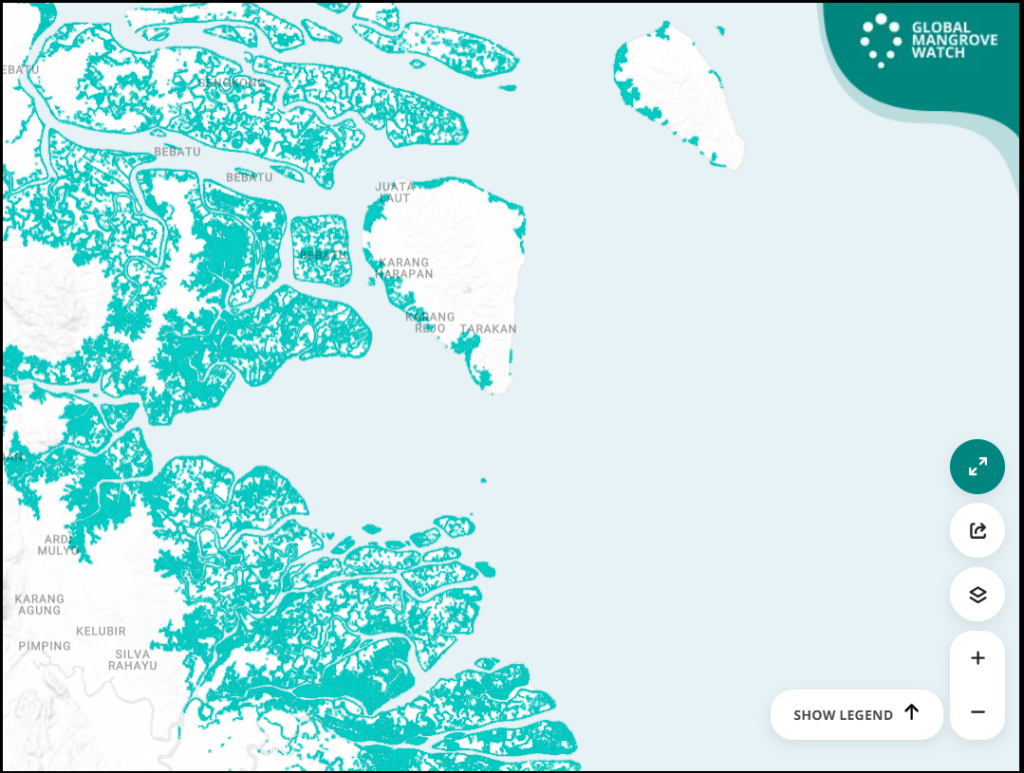
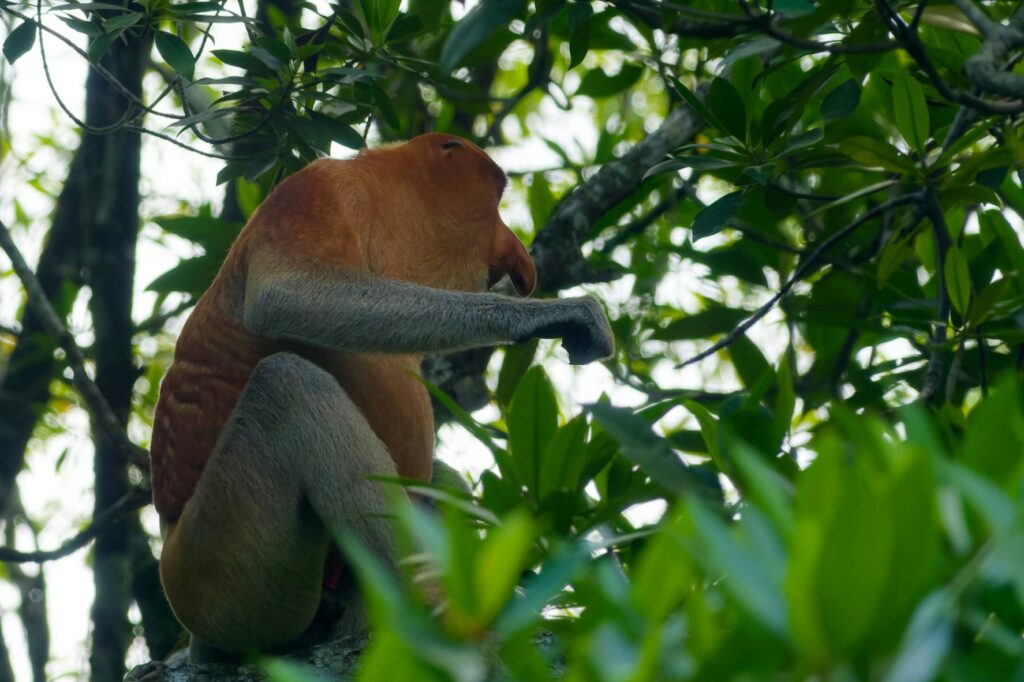
The Kayan-Sembakung Delta includes 206,000 hectares (an area nearly three times the size of Singapore) of former and existing mangrove area, refuge to highly threatened species such as the critically endangered Sunda pangolin, endangered Irrawaddy dolphin, and the proboscis monkey. Communities here depend on open-water fishing and aquaculture for their livelihoods and use charcoal from mangrove trees too.
Mangroves are amazing ecosystems. They are a natural nursery for shrimp, fish, crabs, and other marine life; protect the coast from storm wave damage; and are some of the most effective ecosystems at capturing and storing carbon.
But since the 1990s, much of the mangrove area in the Kayan-Sembakung Delta has been highly degraded largely due to conversion to shrimp and fishponds.
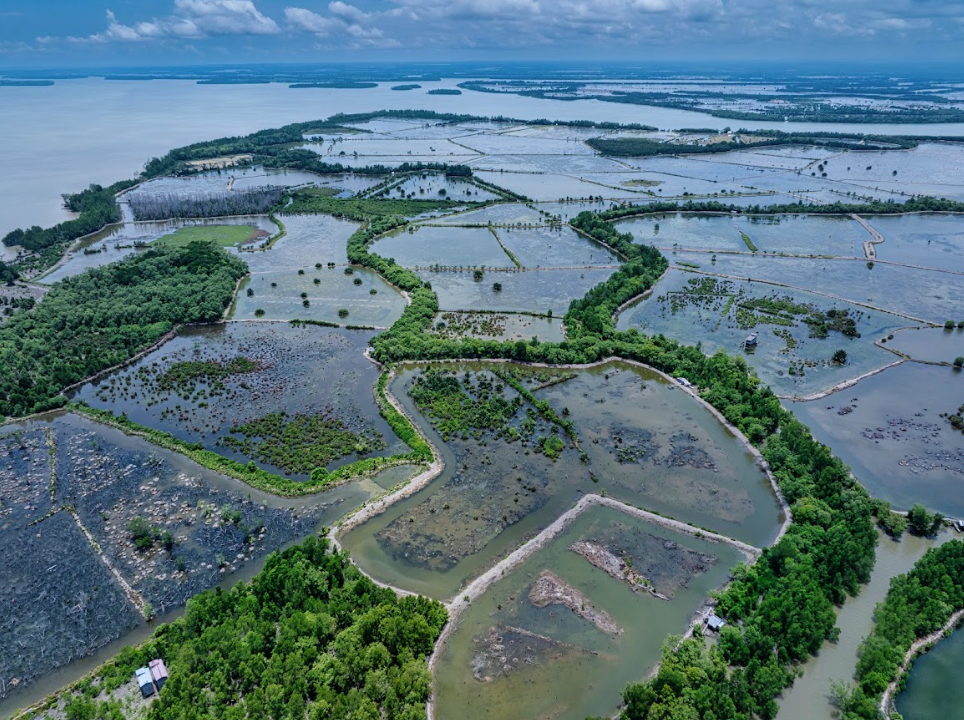
Here’s how Wetlands International and partners are working to revive the mangroves here:
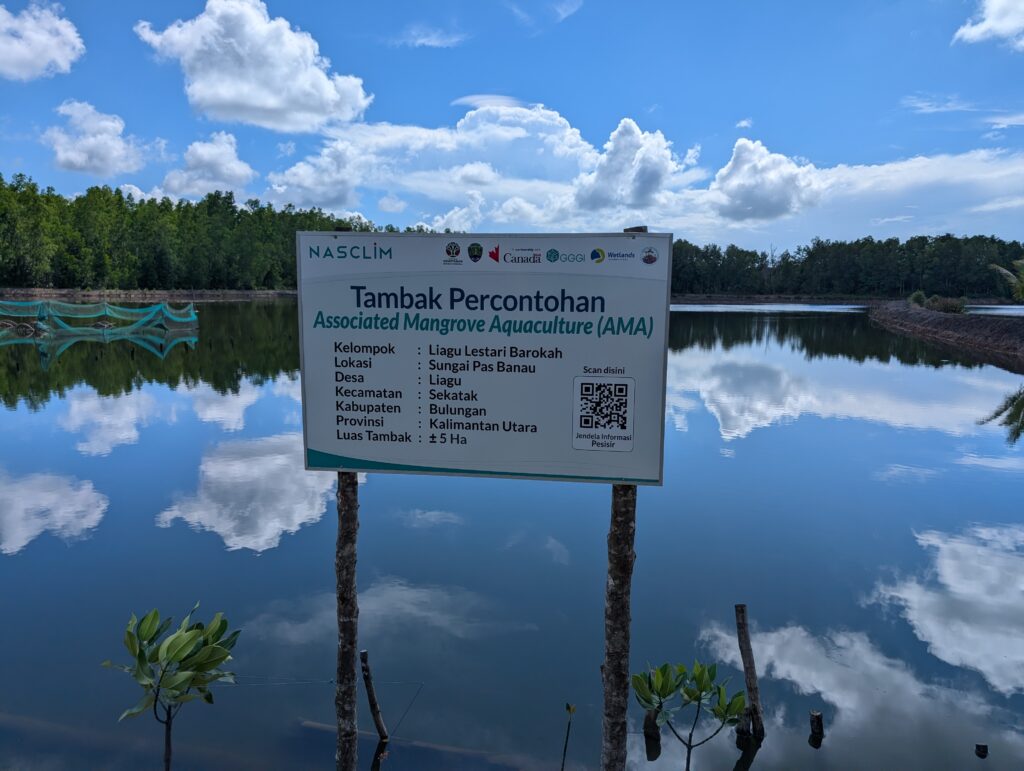
1. Assosciated Mangrove Aquaculture (AMA) ponds
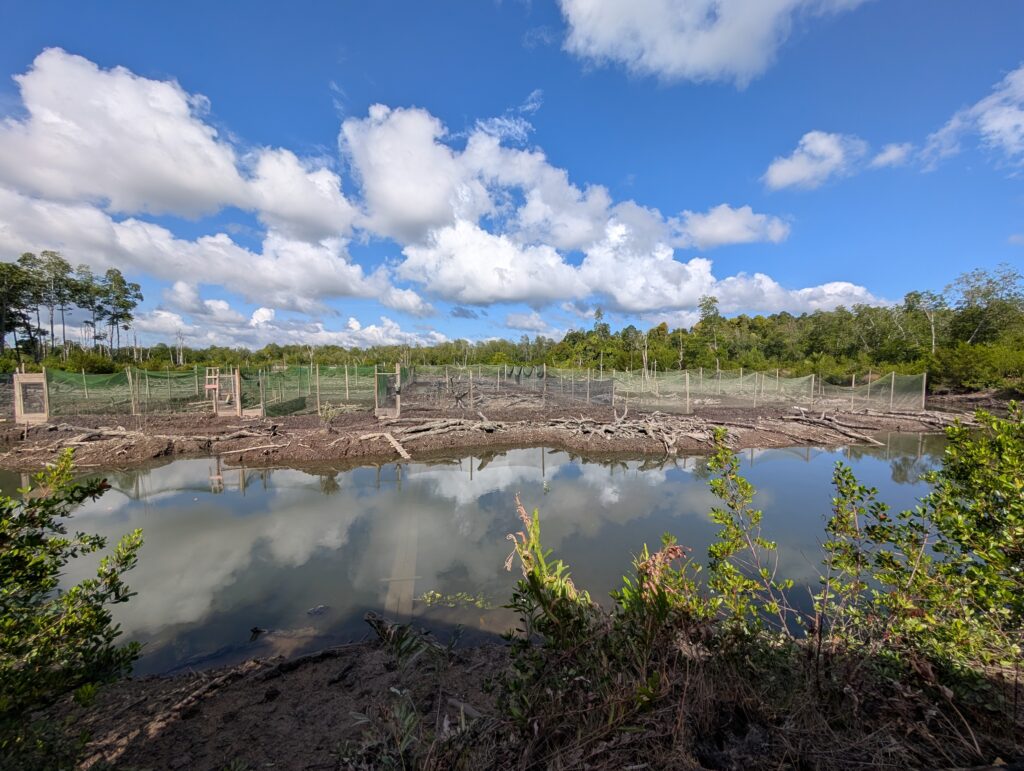
AMA is a practice in which part of an aquaculture pond is given up to make space for mangroves. The mangroves of the pond help maintain the pond structure (reducing maintenance costs) but more importantly, they naturally filter pollutants (like shrimp poop) improving water quality and pond yield. The mangrove area additionally can be used to raise other catch like milkfish or crabs ensuring livelihoods of pond owners. This approach offers a win-win-win situation for people-climate-nature.
2. Community-Based Ecological Mangrove Restoration (CBEMR)
For decades, success in mangrove restoration in Indonesia has been measured by how many trees were planted and too often, that approach has failed. Planting seedlings without addressing why the forests disappeared in the first place rarely brings back a functioning ecosystem.
Wetlands International therefore employs CBEMR, which restores the water flows, sediment conditions and community stewardship such that mangroves may regenerate naturally.
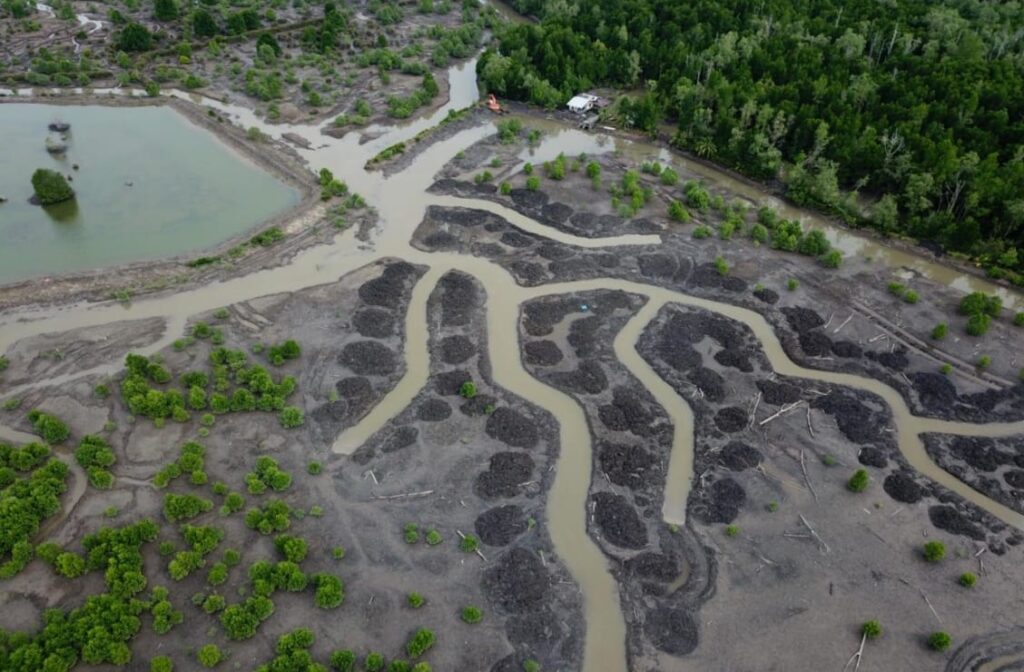
Importantly, CBEMR integrates local knowledge and ensures communities are involved from the start, creating a foundation for long-term sustainability. One of our biggest wins has been that CBEMR is now recognised in the national Government Regulation on the Protection and Management of Mangrove Ecosystems.
3. Organic shrimp farming
Instead of chemical pesticidies, herbicides, and fertilizers, aquaculture farmers like Pak Jony (picutred below) use organic feed made from fermenting shrimp heads with beneficial microbes. This solution increases nutrient availability and grows natural feed such as plankton too. Its application has been proven to improve water quality and pond soil fertility.See content credentials
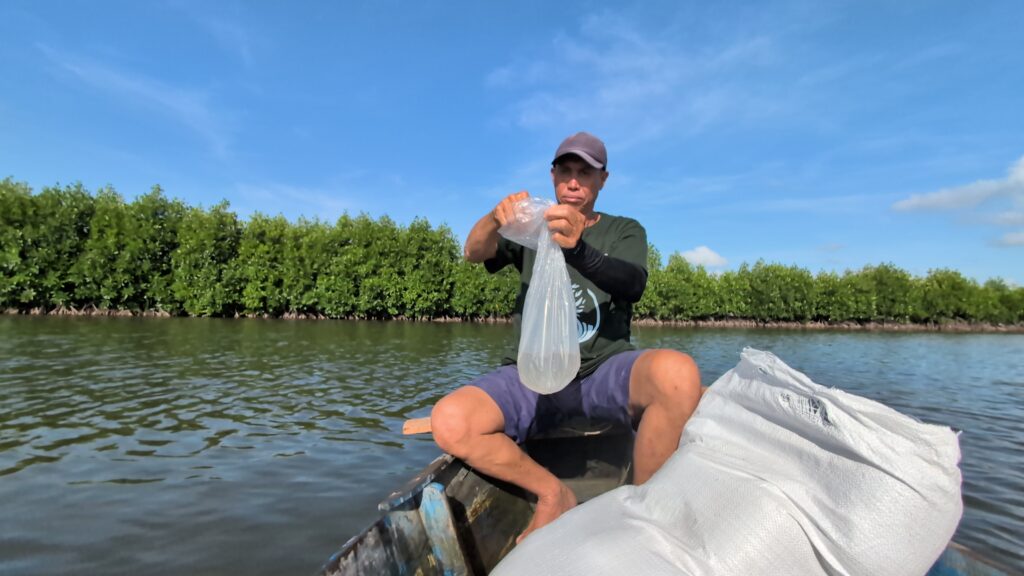
At the crux of our work in Kayan-Sembakung is community stewardship. Community members are key decision makers and implementers from design through to monitoring of mangrove restoration initiatives. And crucially, they are the beneficiaris of healthy mangroves.
Local Champions like Pak Jony (above) and Pak Herman (below) act as a bridge between communities, government authorities, landscape organisations and Global Mangrove Alliance knowledge systems, helping local experience and data inform wider guidance and tools.
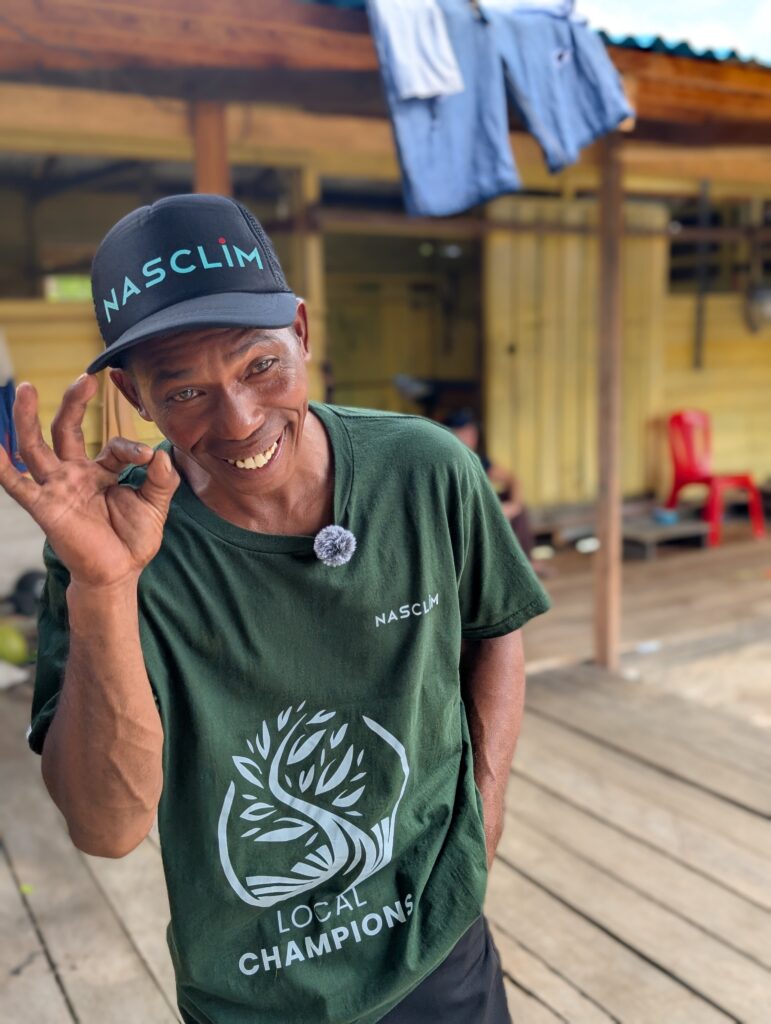
They manage things like the community mud-crab fattenening ponds and mentor other practicioners.
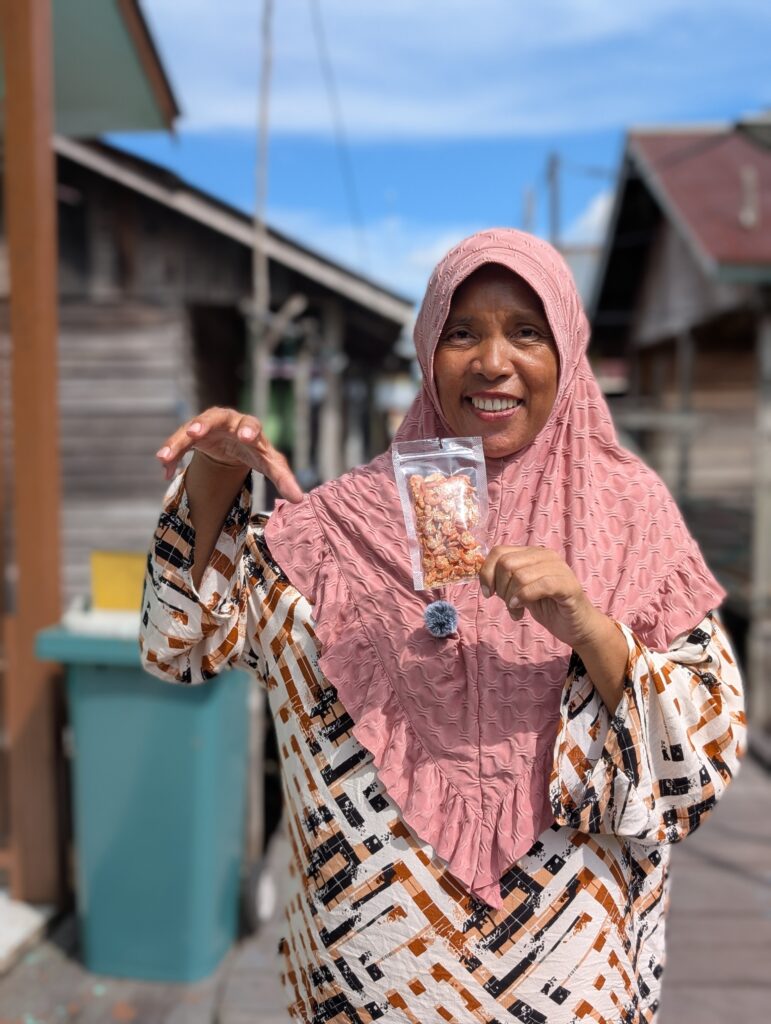
Women of the villages are active participants of our coastal and women’s field schools, where we provide training on improving livelihoods and mangrove rehabilitation methods. I was delighted to meet one of them (pictured below).
Find out more about this work here.
NASCLIM is a collaborative programme between the Global Green Growth Institute (GGGI) and Wetlands International, designed to support the Government of Indonesia’s commitment to address mangrove deforestation. The work is funded by the Government of Canada and coordinated with the Ministry of Forestry of Indonesia. The work is also supported through the Return of the Mangroves project, funded through Good Energies Foundation.
Author