Scaling community-led ecological mangrove restoration in Guinea Bissau
To Plant or Not to Plant Guinea Bissau – Phase 2
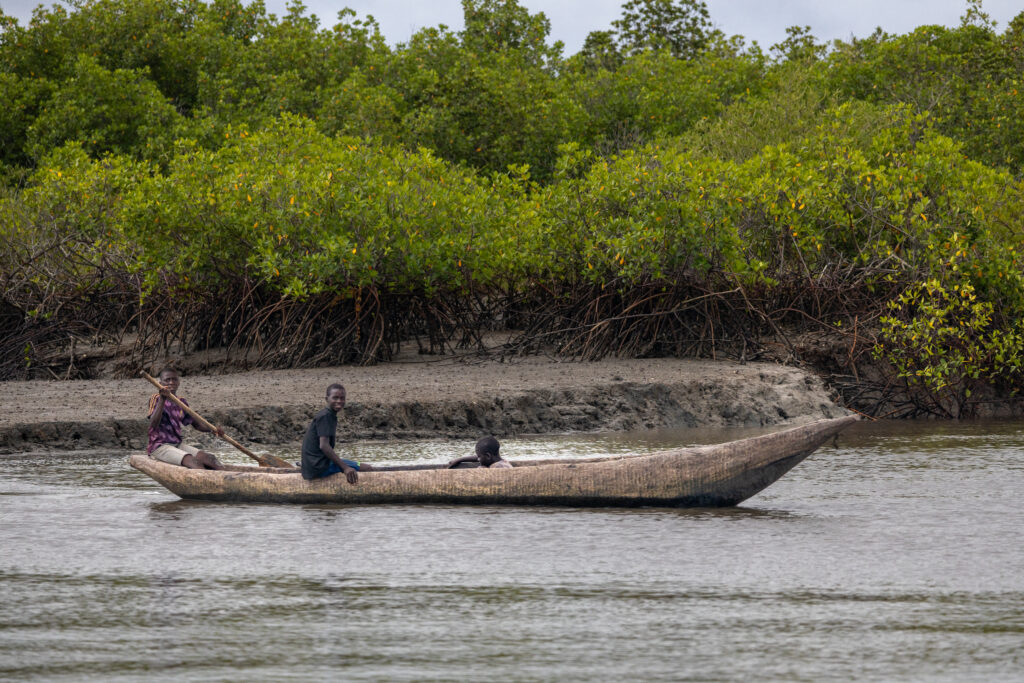
Guinea-Bissau is home to one of the largest and most intact mangrove systems in West Africa. These forests protect coastlines from erosion and flooding, store vast amounts of carbon, sustain fisheries, and provide food and income for thousands of people. Yet decades of land conversion, unsustainable resource use and climate change continue to threaten these vital ecosystems.
Building on the success of the first To Plant or Not To Plant project in Guinea Bissau, Wetlands International and its partners are launching a second five-year phase to expand Community-Based Ecological Mangrove Restoration (CBEMR) and mangrove protection in Cantanhez National Park and its periphery. This new phase focuses on restoring new areas of degraded mangrove, ensuring restored ecosystems thrive in the long term while strengthening the communities that depend on them.
By restoring natural tidal systems, empowering local communities and strengthening national collaboration, this project helps safeguard biodiversity, improve food security, enhance climate resilience and increase carbon storage for decades to come.
We demonstrate that successful restoration begins by working with nature—and with the people who know these landscapes best.
Project at a glance:
Location: Cantanhez and Cacheu landscapes, Guinea-Bissau
Duration: 2026–2030
Approach: Community-Based Ecological Mangrove Restoration (CBEMR)
Objectives:
- Restore an additional 1,000 hectares of mangroves.
- Monitor and maintain all 2,500 hectares restored since 2021.
- Strengthen sustainable livelihoods for mangrove-dependent communities.
- Support biodiversity conservation and protected area management.
- Improve national policies, monitoring systems and knowledge sharing for mangrove restoration.
- Establish the foundations for landscape-scale action in Cantanhez: convene local actors into a functional landscape platform and develop a shared vision and strategic plan for mangrove and ecosystem conservation and restoration.
From restoration to resilience
Between 2021 and 2025, the first phase of the project restored more than 2,502 hectares of mangroves, strengthened the protection of over 80,000 hectares of existing mangrove forests, and supported around 20,000 people through sustainable livelihood initiatives.
Phase 2 builds directly on these achievements. By 2030, the project will restore an additional 1,000 hectares of degraded mangroves in the Cantanhez area, bringing the total restored area to around 3,500 hectares. At the same time, all sites in Cacheu and Cantanhez National Parks established since 2021 will be monitored and maintained to maximise their ecological recovery and long-term climate benefits.
Working with nature, not against it
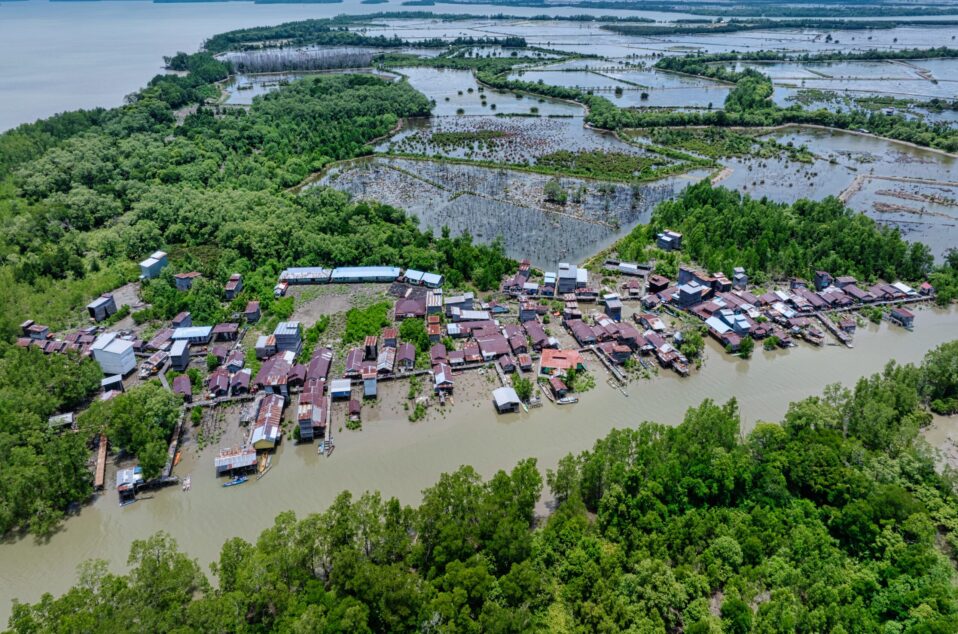
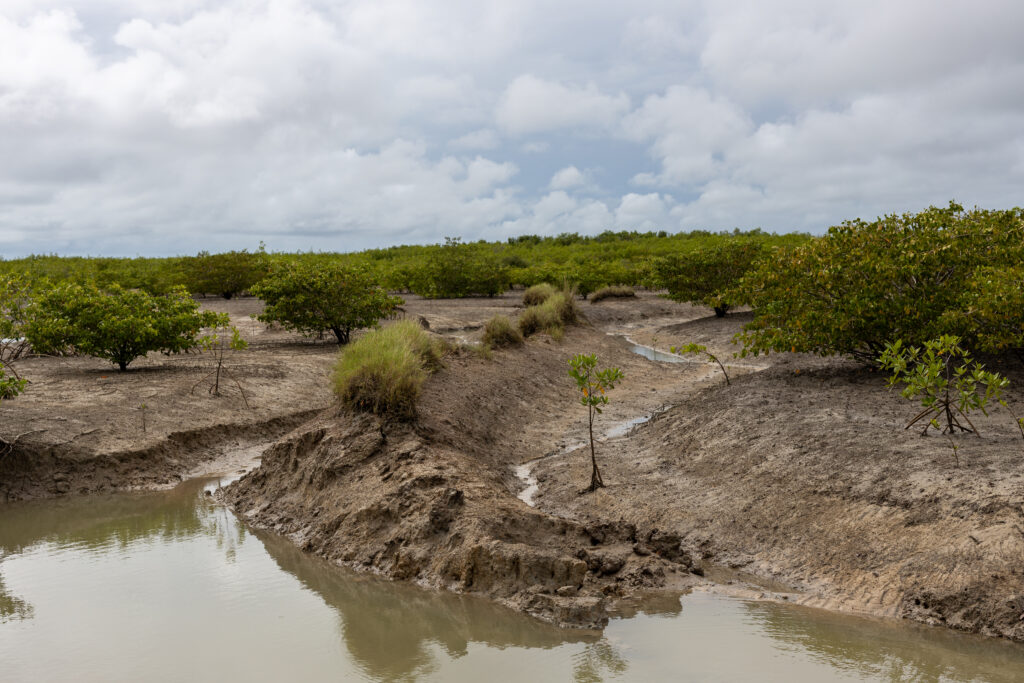
While work continues in the Cacheu landscape in the Northern part of Guinea Bissau through monitoring and maintenance, Phase 2 expands restoration efforts in the Cantanhez landscape in the Tombali region in the South, including Komo, Bedanda and Cacine sectors (administrative sublevels within the region), where significant opportunities remain to recover abandoned mangrove areas.
The project continues to apply Community-Based Ecological Mangrove Restoration (CBEMR), an approach that restores the natural conditions mangroves need to regenerate on their own.
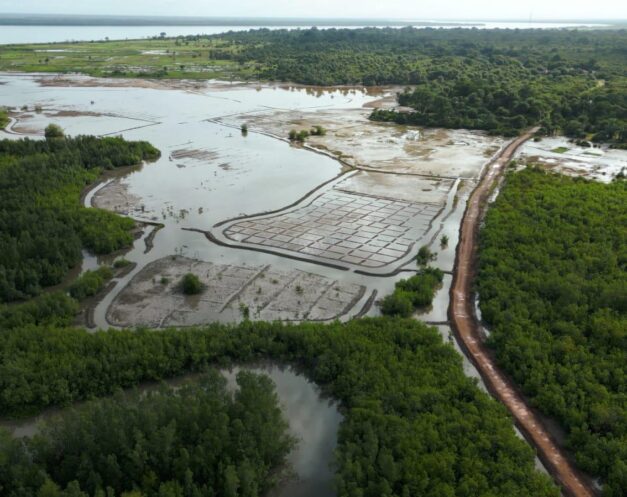
Many degraded areas in Guinea-Bissau were once mangrove forests that were converted into rice fields. As these fields were abandoned, dykes prevented tidal water from returning, leaving the land too saline and degraded for either agriculture or mangroves.
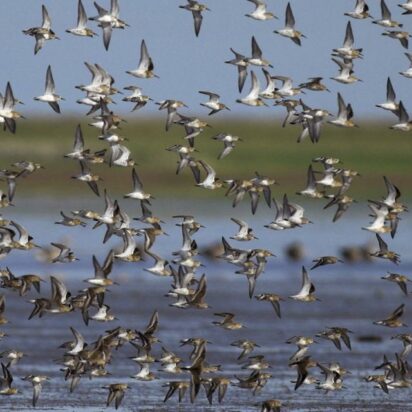
Instead of planting seedlings, communities work together to reconnect these landscapes with natural tidal flows by carefully reopening channels and removing barriers. Once water movement is restored, mangroves can regenerate naturally, creating healthier and more resilient forests that also support fish, shellfish, birds and other wildlife.
Monitoring success over time
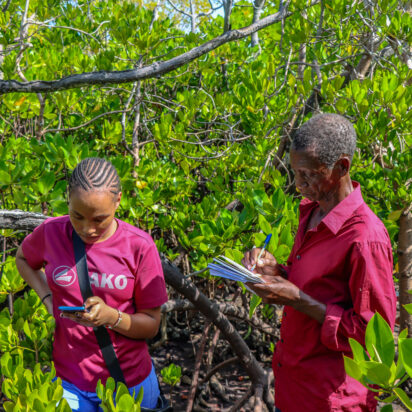
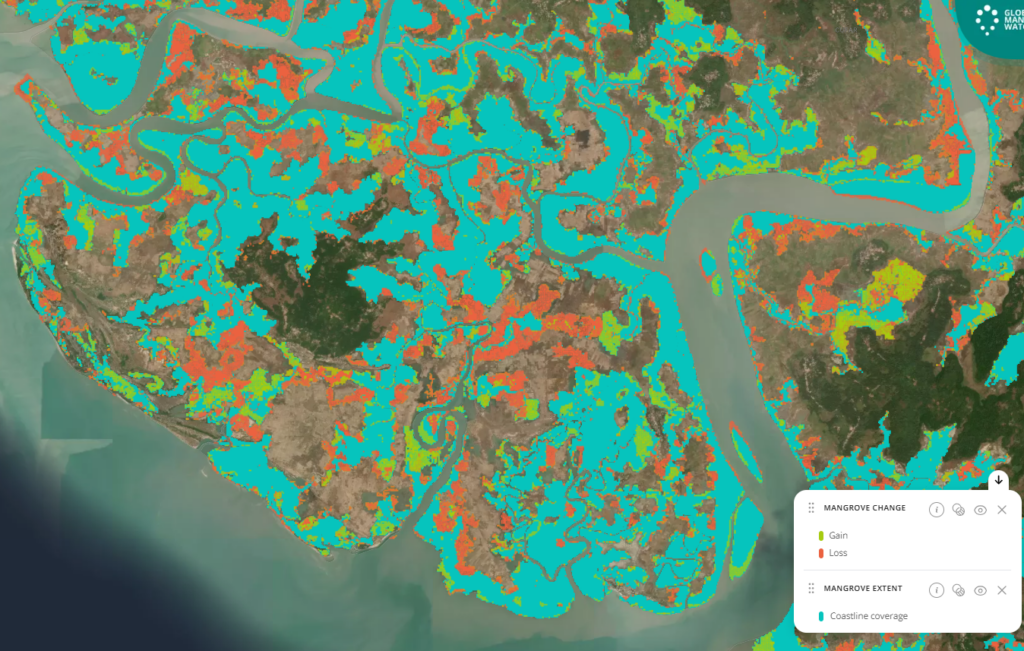
The project combines annual field monitoring with innovative remote sensing technologies to track the health and development of restored sites. This allows restoration teams and communities to identify areas that are thriving, require additional maintenance or need adaptive management.
By combining community knowledge with satellite monitoring, the project is building a robust mangrove monitoring system.
Supporting people alongside nature
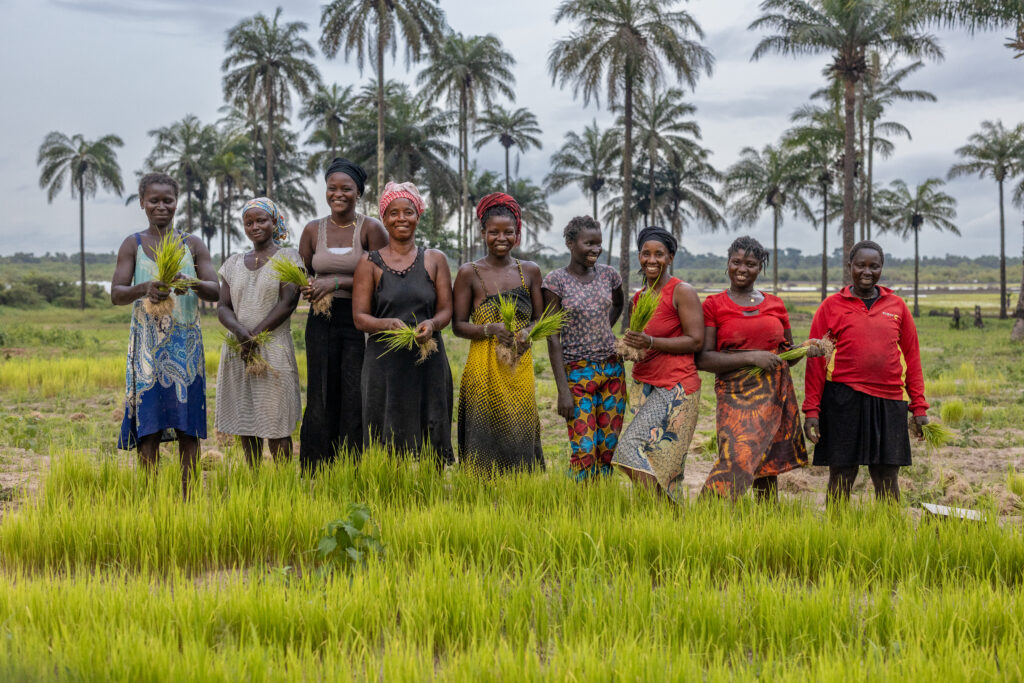
Healthy mangroves depend on healthy communities. The project supports women, youth and local organisations to develop sustainable livelihoods that reduce pressure on mangrove ecosystems. A key area of focus is to strengthen sustainable rice farming in existing rice fields, therewith preventing conversion of mangroves into rice fields in other areas.
Other activities include expanding community savings and loans groups, supporting vegetable gardens and improving mangrove-friendly value chains such as palm oil production, fisheries and other local enterprises. These initiatives improve household incomes while creating strong incentives for long-term conservation.
Strengthening conservation beyond restoration
Alongside restoration and livelihoods activities, the project supports the implementation of the Cantanhez National Park Management Plan, strengthens biodiversity monitoring, and contributes to the protection of iconic wildlife species that depend on these coastal landscapes.
Environmental education through mangrove school clubs, community awareness campaigns and national knowledge-sharing will help build long-term stewardship among future generations.
The project also adopts a broader landscape approach by bringing together communities, government agencies, researchers and civil society organisations to develop a shared vision for the future of the Cantanhez region. Through joint planning and improved governance, the project aims to ensure that restoration, conservation and sustainable development reinforce one another.
Creating national momentum
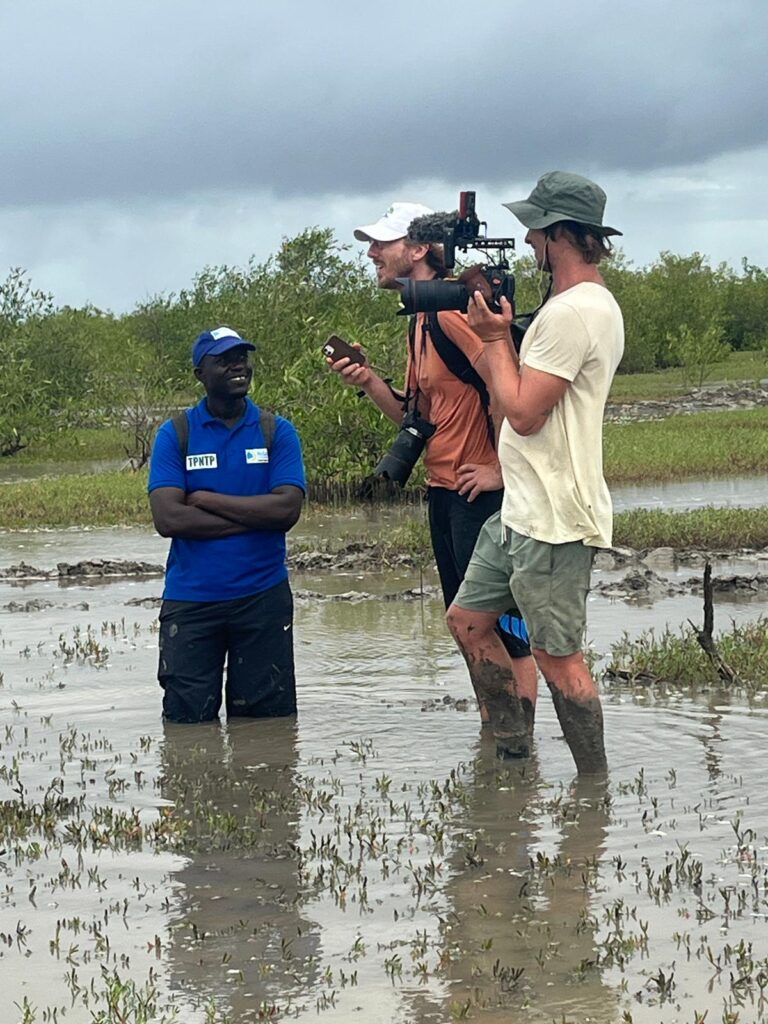
The lessons learned in Cantanhez and Cacheu will help shape mangrove restoration across Guinea-Bissau. Working through the national mangrove platform PLANTA and with government partners, the project will strengthen restoration standards, improve national monitoring systems, support policy development and share practical experience with organisations working across the country.
By combining local action with national coordination, the project aims to position Guinea-Bissau as a leader in community-led ecological mangrove restoration.
Our partners and supporters
Our mangrove restoration and conservation work in Guinea Bissau is implemented together with Guinea Bissau’s Ministry of the Environment, Biodiversity and Climate Action, IBAP (Institute for Biodiversity and Protected Areas), Face the Future, national and local NGOs (ODZH, Proativos, AGIR, AJUTS), and local communities which support the implementation of mangrove restoration, conservation and monitoring activities.
In addition, the project will work closely with the BioGuinea Conservation Trust Fund, IUCN, PRCM, the World Bank–WACA programme, PLANTA (the national mangrove platform), and other partners engaged in mangrove protection in Guinea-Bissau.
We are grateful to our donor Greenchoice for their support.
Contact person:
Ana Colorado McEvoy