

Philippines should prioritize renewable energy over oil & gas extraction in Liguasan Marsh
Wetlands International expresses deep solidarity with the millions of Filipino families now bearing the brunt of the ongoing energy crisis due to the US-Iran war. We recognize the hardship this crisis has created and stand with communities in calling for urgent, long-term, and sustainable solutions, including investing in renewables, which will ensure energy security without compromising the country’s natural heritage.
In light of the declaration of a State of National Energy Emergency under Executive Order 110, we urge the Philippine government to prioritize and fast-track its decisive shift toward renewable energy.
We express deep concern over renewed efforts to pursue oil and gas exploration in the Liguasan Marsh, the largest swamp and marsh area in south-central Mindanao, Philippines, and one of the country’s most important and biodiverse wetland systems. While addressing the energy emergency is vital, the marsh’s ecological sensitivity requires the highest level of environmental scrutiny.
While we acknowledge the need for immediate action to stabilize the energy sector, any exploration or exploitation of natural resources must proceed only after thorough environmental assessment and meaningful consultation with scientific and environmental experts. Our natural ecosystems —particularly our freshwater and coastal wetlands — should never be sacrificed in the pursuit of short-term development gains.
The Liguasan Marsh is an irreplaceable ecological system, and unregulated extraction risks irreversible damage: contamination of water sources, heightened flooding, loss of biodiversity, carbon emissions from ecosystem disturbance, and threats to the livelihoods and cultural heritage of local communities.
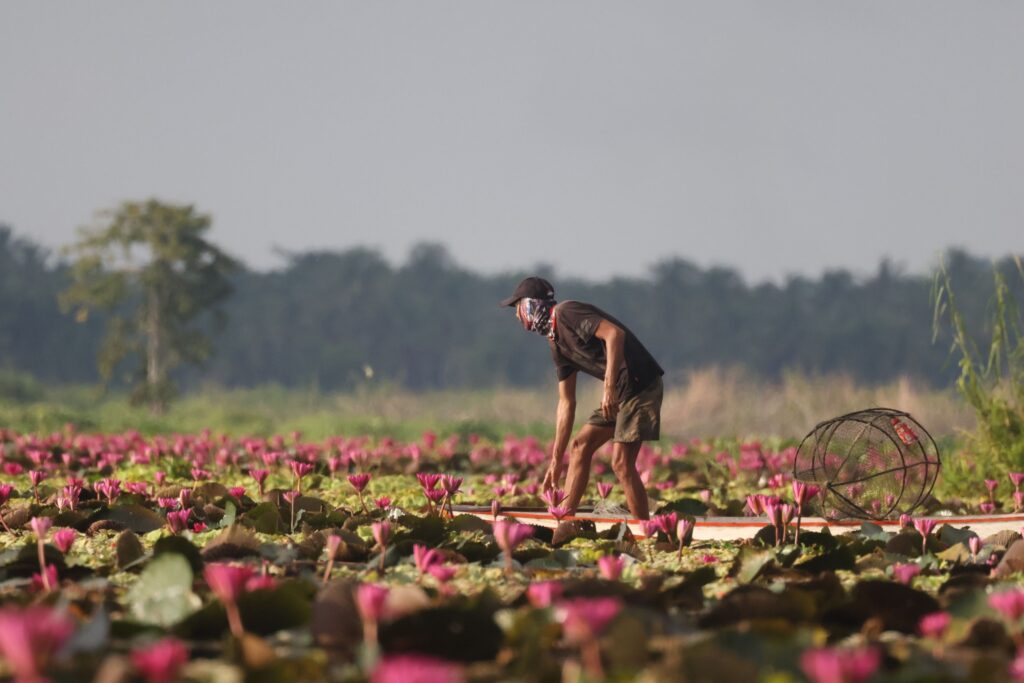
(c) Godfrey Jakosalem | Philippines Biodiversity Conservation Foundation, Inc. (PhilBio), 2024
The risks of unregulated resource extraction extend far beyond any single site—threatening the full breadth of the Philippines’ wetlands and forests. Degrading these systems erodes the essential services they provide to communities, including essential services such as clean water supply, food security, coastal protection, and biodiversity support. Equally urgent is the climate dimension: destroying ecosystems releases stored carbon into the atmosphere, further intensifying climate impacts and undermining the Philippines’ own commitments to emissions reduction. These are not abstract or distant concerns; they translate directly into threats to Filipino lives, livelihoods, and long-term safety.
Filipinos deserve a development path that is both responsible and sustainable—one that safeguards our ecosystems, honors our climate obligations, and secures the well-being of present and future generations.
In this moment of national urgency, we call on the Philippine government to prioritize investment in renewables – in a just and rapid energy transition. Fossil-fuel extraction in fragile ecosystems is not a sustainable or climate-resilient solution. The Philippines can draw from the success of neighbouring Southeast Asian countries—such as Vietnam’s rapid solar expansion, Indonesia’s renewable microgrids, Thailand’s community-based biomass systems, and Malaysia’s competitive solar auctions—which demonstrate that energy security and environmental protection can advance together.
Guided by a long-term, future-oriented energy strategy—one that safeguards our wetlands, upholds scientific and community consultation, and aligns with our climate commitments—Wetlands International Philippines stands ready to work government agencies, civil society partners, and scientific institutions to help shape a resilient and sustainable energy transition rooted in sound science and community welfare.
Let this moment be an opportunity to forge a future where energy security goes hand-in-hand with environmental protection, climate resilience, and the dignity and well-being of all Filipinos.