Rejuvenating and protecting mangroves in North and East Kalimantan
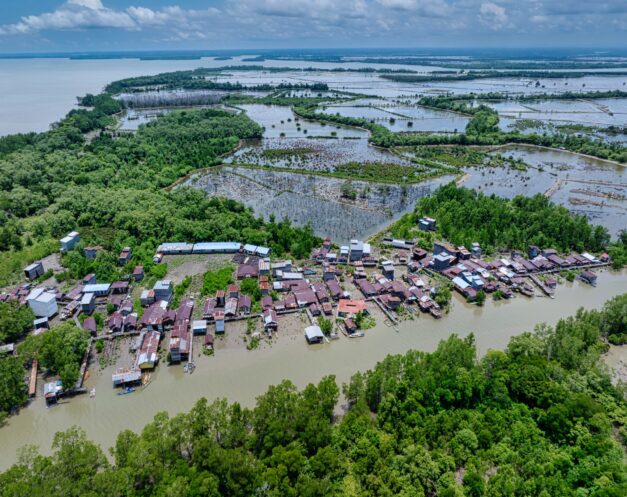
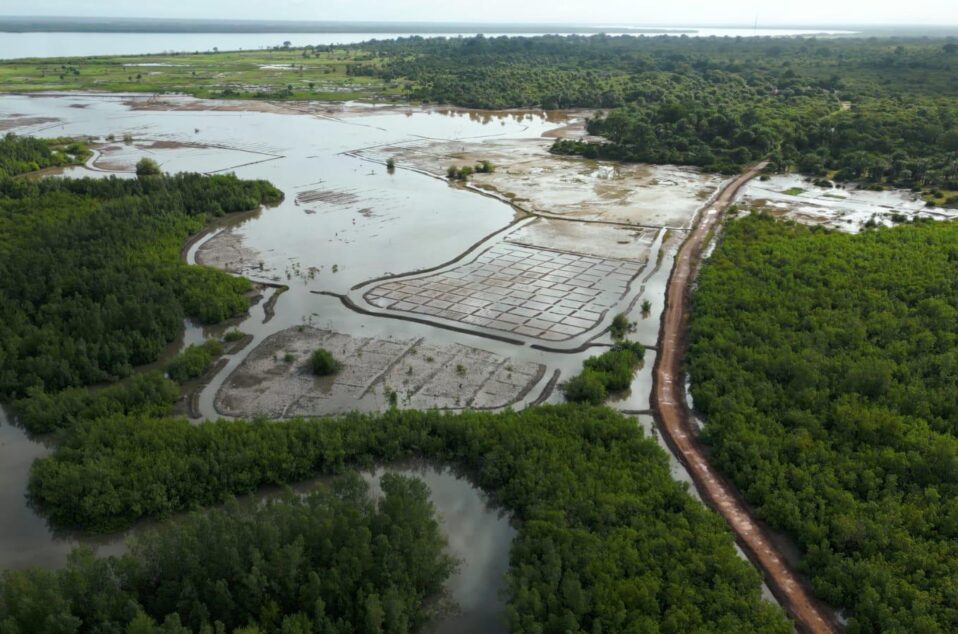
Mangroves in the Kayan–Sembakung Delta in North Kalimantan and the Mahakam Delta in East Kalimantan are being threatened by conversion to shrimp and fishponds, a trend that has significantly increased since the 1990’s. This not only affects nature, but also diminishes coastal protection, reduces climate resilience and threatens fisheries.
In this landscape, Wetlands International works with its partners to restore degraded mangroves in aquaculture landscapes, protect healthy landscapes and support mangrove friendly fishing and aquaculture with local communities. The work is realised under Nature-Based Solutions for Climate-Smart Livelihoods in Mangrove Landscapes (NASCLIM), in collaboration with Global Green Growth Institute (GGGI) and the Ministry of Forestry of Indonesia. It is also supported by the Return of the Mangroves initiative.
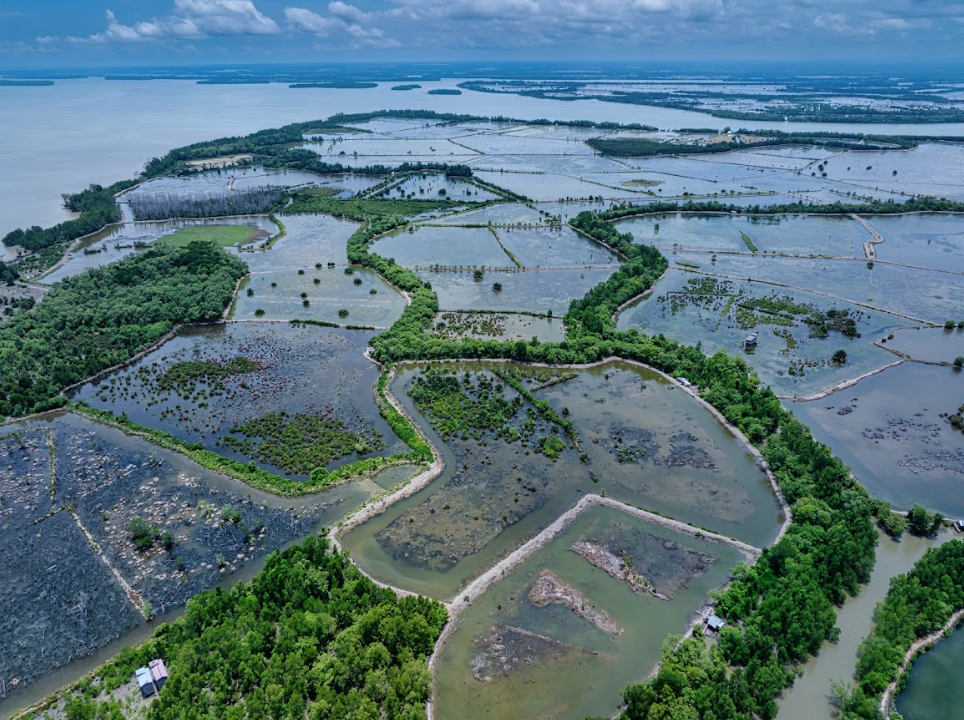
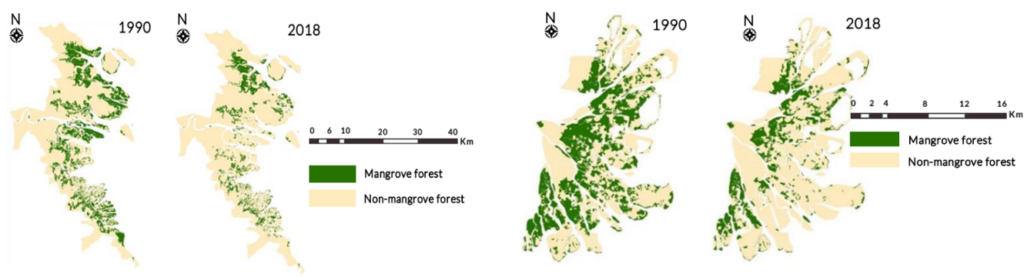
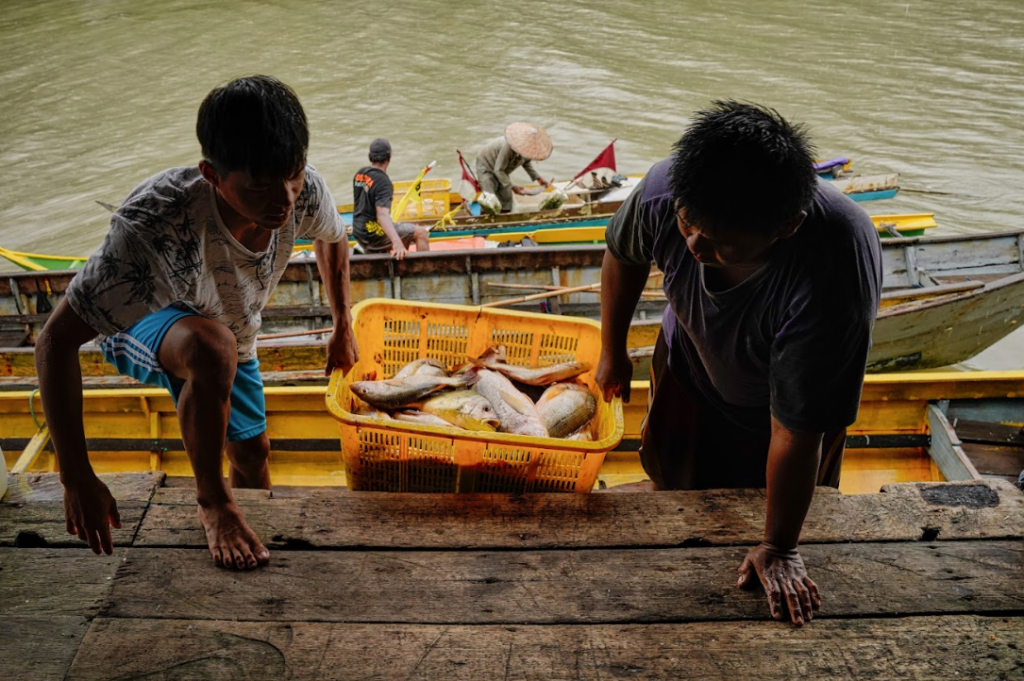
Communities in the Deltas depend on open-water fishing and aquaculture for their livelihoods. Mangroves are a perfect nursery for shrimp, fish, crabs, and other marine life, and they protect the coast from storm wave damage. In addition, the loss of mangrove brings a major threat to carbon storage. With its remarkable capacity in carbon storage, the massive mangrove loss unlocks the stored carbon to the atmosphere as CO2, contributing to climate change.
Our current objective is to support the restoration of 33,000 hectares of degraded mangroves and the protection of 5,000 hectares through improved management at village, district and regional levels. By demonstrating best practices across multiple sites, and by advancing supportive policies and raising awareness, we aim to catalyse replication by communities, government institutions, the private sector and civil society organizations.
In the long-term, our ambition is to contribute to help safeguard 10,000 hectares of intact mangroves and rehabilitate 66,000 hectares of degraded mangroves across North and East Kalimantan. Through these efforts, we seek to reduce or avoiding 11,2 million tonnes of CO2 equivalent emissions, while enhancing the livelihoods and resilience of 270,000 coastal community members.
Ecological mangrove restoration
Past mangrove projects often focused on top-down mass planting, neglecting conditions for ecosystem regeneration, local knowledge, participation of local stakeholders in the restoration planning, implementation and monitoring, tenurial incentives, and coordination among government agencies responsible for land and seascapes. Unfortunately, many planting efforts fail to effectively restore functioning mangrove forests. It often happens that one area has been planted several times despite its recurrent failure, with no scientific evaluation of the efforts. Low success rates increase risks and drive up costs, making many efforts struggle to achieve lasting results. In the NASCLIM project, we strive for community based ecological mangrove restoration, which is a more effective approach.

Coastal Field Schools
Studies show that the decline in pond productivity is generally due to the destruction of mangrove ecosystems in coastal areas. When mangroves are degraded, soil fertility and water quality in pond areas decline. We therefore aim to raise awareness of mangrove benefits for the livelihoods of coastal communities in North and East Kalimantan.
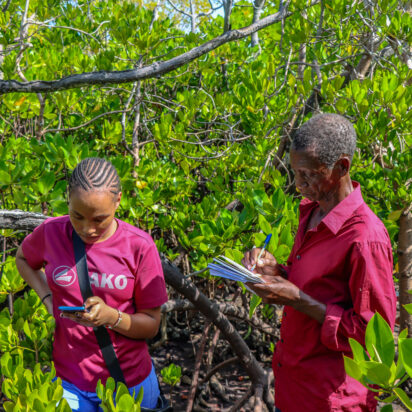
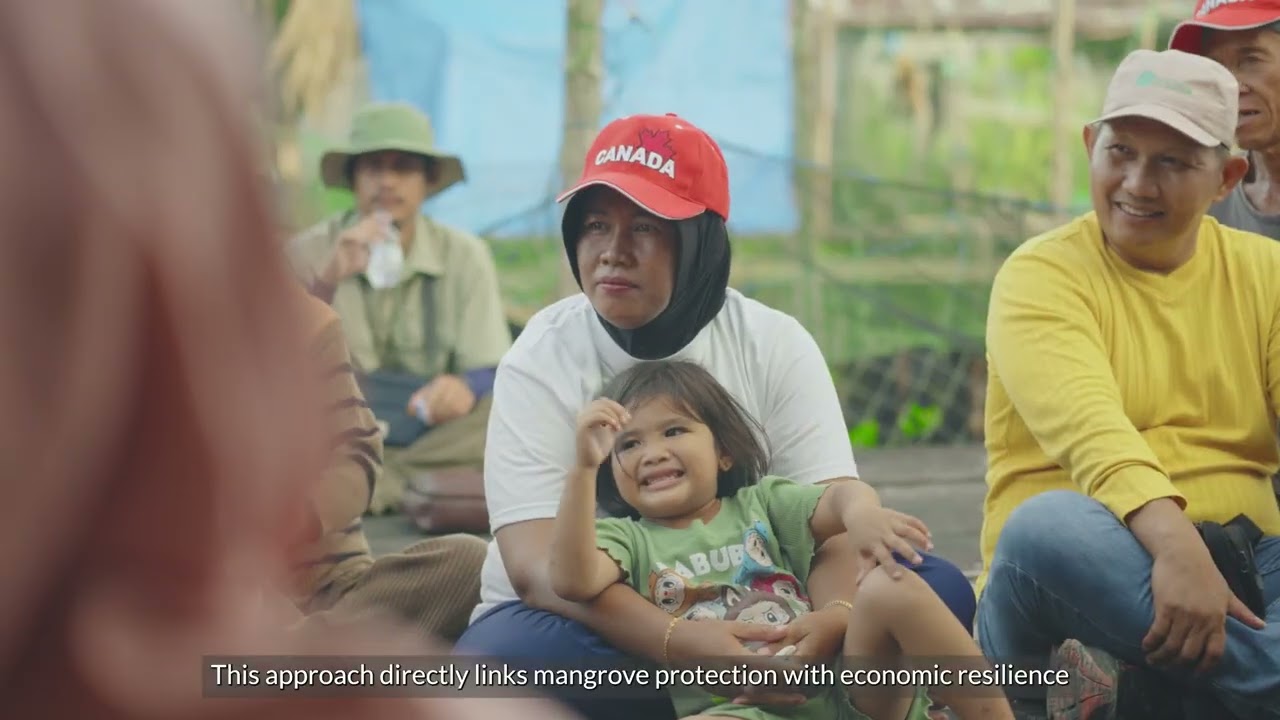
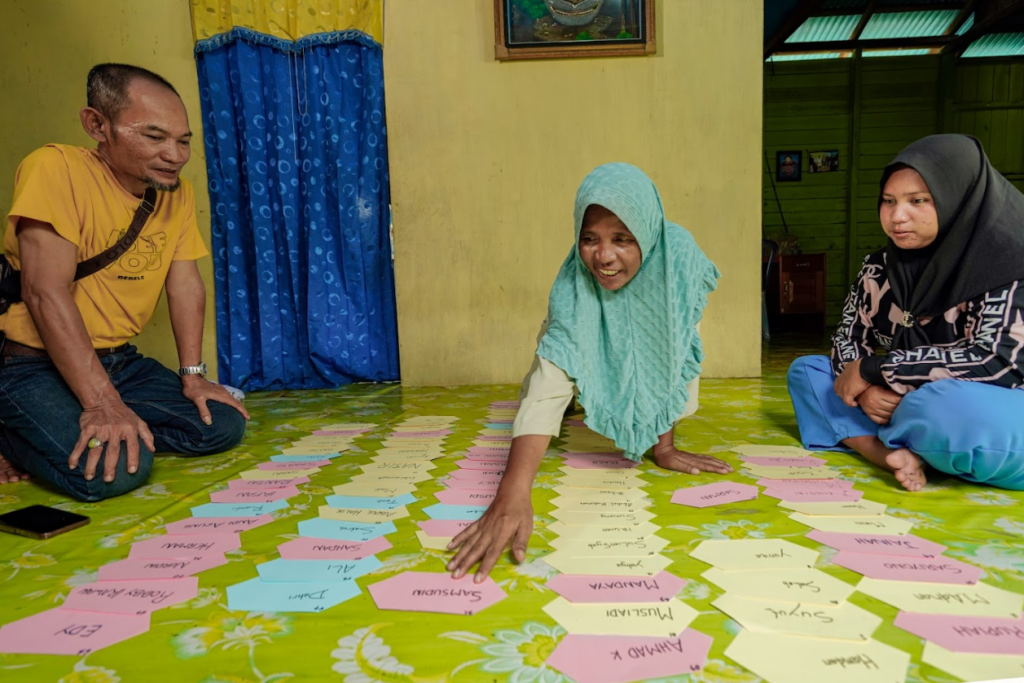
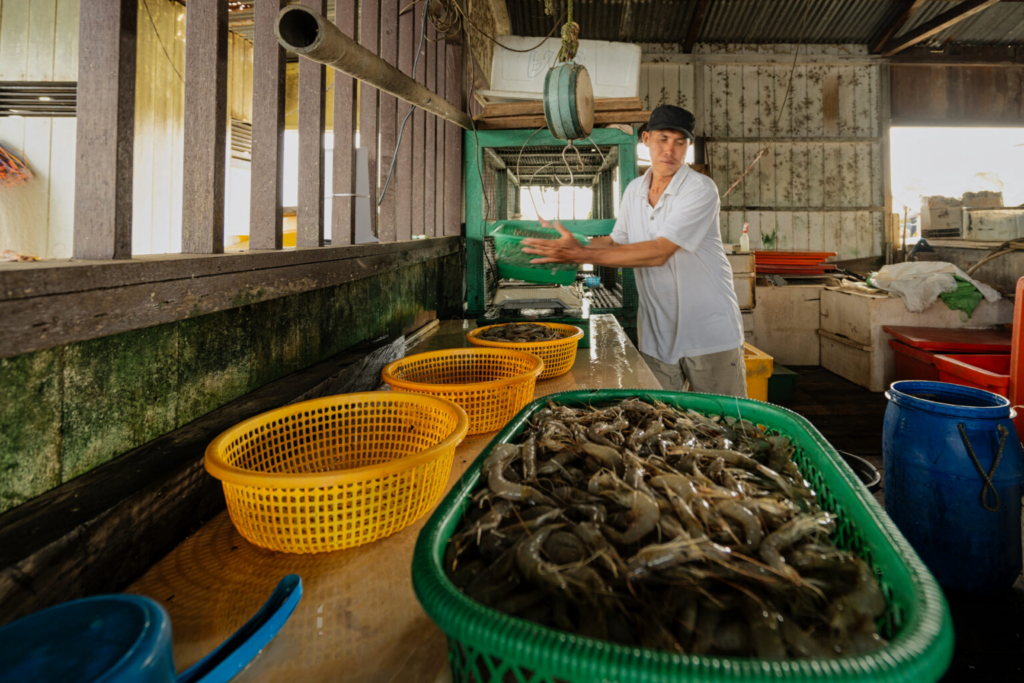
Through Coastal Field Schools, pond farmers are invited to review their management methods and learn about more sustainable practices. One of these practices is the production and use of microorganisms native to the area (MoL) to improve water quality and pond soil fertility while reducing dependence on synthetic fertilizers and pesticides, resulting in resistance to diseases and much larger shrimp. Women make up 40% of participants in the coastal and women’s field schools, where we provide training on improving livelihoods and mangrove rehabilitation methods.
Associated Mangrove Aquaculture
In areas where mangroves are being converted to aquaculture, we will, in the coming years, implement Associated Mangrove Aquaculture systems (AMA’s), which we successfully piloted in Demak. In this innovative approach, part of an aquaculture pond is given up to make space for the restoration of riverine mangroves. The ecosystem functions of mangroves can benefit aquaculture through the dampening of waves and protecting and strengthening the pond dykes. Farmers can also collect wild fry from the mangroves to stock their ponds, and mangrove roots can absorb heavy metals and improve the pond water quality. The creation of sustainable mangrove aquaculture landscapes are of global relevance given the severe decline in mangrove forests due to aquaculture.
Mangrove-and gender friendly policies
Wetlands International and GGGI also work with district government representatives in the two provinces to enhance policies that incentivize mangrove protection and rehabilitation efforts through a gender-responsive approach. The program also aims to strengthen policy-making for mangrove protection at the national level and to serve as a replicable model at the national and global levels.
NASCLIM is a collaborative programme between the Global Green Growth Institute (GGGI) and Wetlands International, designed to support the Government of Indonesia’s commitment to address mangrove deforestation. The work is funded by the Government of Canada and coordinated with the Ministry of Forestry of Indonesia. The work is also supported through the Return of the Mangroves project, funded through Good Energies Foundation.

Jill Heyde